How to Save Gas Money By Taking Better Care of Your Car

With most good things, there is a catch. If you want to lose weight, you have to give up sugar. If you want to save money, you have to rent the smaller apartment. But when it comes to fuel savings, you may have found the exception to the rule! Because believe it or not, there is a way to save your gasoline and reduce fuel consumption without sacrificing an ounce of drive-time! You don’t have to limit your driving by driving less altogether just to save on gas.

Continue reading to learn what you can do to save fuel without restricting the amount of time or distances you drive.

Car Maintenance Service Indianapolis Indiana 317-475-1846

Factory Scheduled Maintenance is Vital

The simple trick to using less gas is not to drive less, but to drive smarter. And a smart driver (YOU) makes sure they are staying current with all their factory scheduled vehicle maintenance. This includes fluid changes like motor oil, coolant, windshield wiper, and power steering. But also includes services like tire balancing and rotation, brake pad inspections and replacements, cabin filter replacements, air filter replacements, comprehensive inspections, and more.

Aside from what your trusted mechanic can provide for your vehicle in terms of routine maintenance, there are many things you can do yourself to keep your ride in tip-top condition, allowing it to utilize fuel efficiently and perform for years to come.

Best Practices for Driving and Car Care

Take initiative into your own hands with do-it-yourself (DIY) car care. There are many things you can do on your own to continue vehicle maintenance in between regular scheduled mechanic visits. You can start by making sure your tires are always properly inflated. When they are not, your vehicle must work harder to assume the same level of performance, which uses more fuel. Also, be sure to periodically inspect the gas cap for damages. This can cause fuel to vaporize into the air.

Another way to use your fuel efficiently is to obey the speed limit and accelerate slowly. This also protects several components of your vehicle, allowing optimal performance and safety. Last, try emptying the trunk and backseat of unneeded materials. This can reduce the overall weight of your car, thus reducing the amount of gas it needs to operate.

Although there is no magical way to truly “drive more and use less”, with routine car care you can optimize your vehicle’s fuel economy, which essentially delivers the same financial gratification. Talk to your trusted automotive service technician about your vehicle’s recommended maintenance schedule. You may refer to your vehicle’s owners’ manual for additional information as well.

Does your car or truck need some routine auto service or a repair? Contact us at 317-475-1846 for the most affordable and reliable auto repair services in Indianapolis, Indiana. Request a free estimate, or schedule service, today.

You Should Also Read:

Recommended Car Maintenance Schedule
Top 3 Ways to Improve Your Car’s Fuel Functionality
4 Ways to Get Better Gas Mileage
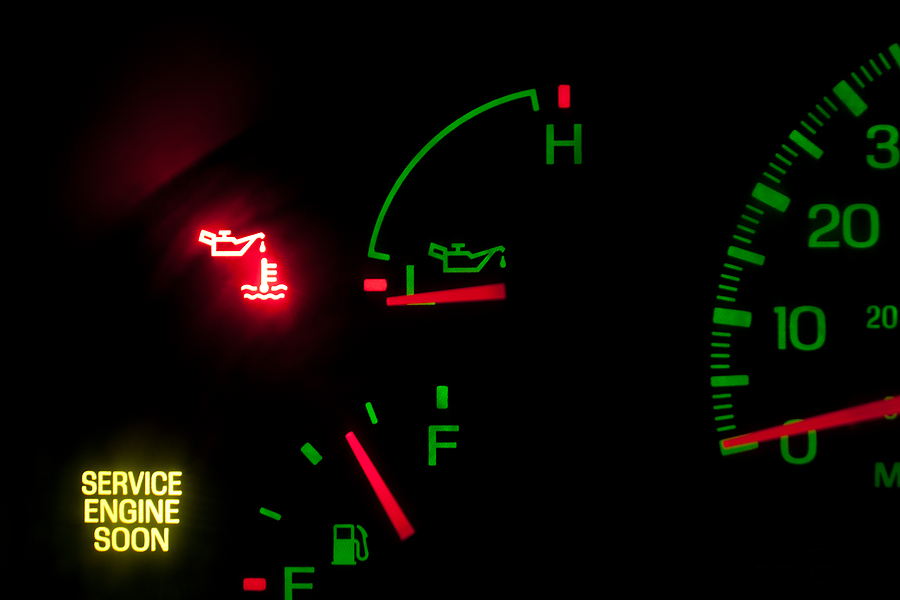

How Long Can I Drive With the Check Engine Light On?

Whether your check engine light is illuminated in yellow or red, it is trying to send you a message. Above all else, that message is to warn you. Many people want to know how long they can drive their cars with a check engine light on before it starts to do any major damage to the vehicle. The answer might surprise you.

Continue below to learn what you need to know about your check engine light, including why it came on, what happens if you ignore it, and how to get it diagnosed without breaking the bank.

Check Engine Light Service Indianapolis Indiana 317-475-1846

Check Engine Lights are Warning Indicators

Also known a Malfunctioning Indicator Lamp (MIL), you can trust that the name alone is telling you that something attention-necessary is happening within your vehicle. When the Check Engine Light comes on, it wants you to do just that: have the engine checked out. Some vehicles are designed for the dashboard icon to light up in a yellow color to indicate a less serious malfunction and a red color for more serious engine issues. Some vehicles only illuminate in one color, but flash or remain solid to distinguish between serious and not-so-serious problems.

Why the Check Engine Light Comes On

There are many reasons why your Check Engine Light popped on. You may have just filled up the gas tank and failed to twist your cap all the way back on. This is one of the most common, non-serious reasons why Check Engine Lights come on. However, it could be due to a longer, more complicated list of reasons, from defective spark plugs and overheating engines to engine misfires, catalytic converter malfunctions, failed sensors (O2, ECU, Mass Airflow (MAF), intake track, etc.), and more. It is necessary to have your Check Engine Light warning diagnosed by a licensed mechanic or using a code reader.

Consequences of Ignoring a Check Engine Light

The Check Engine Light warning indicator on your dashboard is the most important warning to address. You never want to ignore and illuminated Check Engine Light. The longer you ignore your Check Engine Light, the more damage you’ll do to your engine and inner automotive components.

Depending on the reason why your check engine light is on, the damages could result in a variety of consequences, such as fuel economy inefficiencies, engine misfires, backfiring, catalytic converter damage, engine overheating, increased harmful emissions, spark plug damage, and much more.

Overall, you do not want to drive around with an illuminated or flashing Check Engine Light, even if the problem is minor, like a loose air filter. You do not want to take the chance and risk adding more costly damages to your vehicle. Check Engine Light diagnostics are very affordable, so it is worth your while to get the issue examined sooner rather than later.

If your check engine light is currently illuminated in your vehicle, you are in the right place for affordable and dependable automotive service and repair. Contact Northeast Auto Service at 317-475-1846 to speak with a friendly mechanic about check engine light diagnostics in Indianapolis, or simply schedule service online.

Related Posts:

5 Reasons Why Your Car is Shaking
Frequently Asked Questions About Gas Caps
Why Did My Brake Warning Light Come On in My Car?

How to Make Your Car Last Longer For Cheaper

Everyone needs their car. Your car plays a vital role in maintaining your livelihood. Whether you use your car to get to and from work, go back and forth from school, or shuttle around your family to all of their schooling obligations and activities, your vehicle is very important. In the best interest of your financial future, it would be wisest to do all that you can to make your vehicle last as long as possible. Fortunately, there is a very budget-friendly way to do this.

Continue reading to learn how to make your car less longer for cheaper, plus where you can get dependable and affordable automotive service and repair in Indianapolis.

Auto Maintenance Indianapolis Indiana 317-475-1846

The Cheapest Way to Increase the Life of Your Car or Truck

Stay Current on Factory Scheduled Maintenance

When you want to make your vehicle last as long as it possibly can, your first step is to read the owner’s manual. Your particular make and model vehicle will have a specific factory maintenance plan recommended within its manual. Follow the instructions for factory scheduled maintenance for your vehicle, ensuring that you stay on top of it throughout the year, every year. When you keep up with car maintenance, you will experience fewer breakdowns and mechanical issues, which also saves you money on expensive automotive repairs and parts replacements.

Regularly Check Fluid Levels

Your vehicle requires certain automotive fluids at all times for optimal performance, safety, and you guessed it, longevity. This includes motor oil, radiator fluid, brake fluid, power steering fluid, transmission fluid, battery fluid, and windshield wiper fluid. To make a vehicle last as long as it is designed to last, it is important to ensure that your fluid levels are adequate at all times by regularly checking them. Refer to your vehicle’s owner’s manual for instructions on how to inspect and refill each fluid. In most cars, dashboard lights will appear if a fluid is low or empty.

Be Consistent With Oil Changes

As mentioned, it is important to regularly check your automotive fluid levels. Your motor oil is one of the most important automotive fluids because it lubricates the grinding, heat-generating internal mechanical components within your engine. Above all other vital automotive fluids, it is important to be consistent with the oil changes the most. Ask your mechanic how often you should get an oil change for your car.

Stay Alert to Strange Sounds or Movements

It is always important to be on the lookout for strange sounds, vibrations, shaking, or movements when starting or driving your vehicle. Such changes in your vehicle’s performance are indicators of an underlying problem. Your Indianapolis mechanic will be able to diagnose your vehicles issues through your description of its irregular performance. It is also good idea to stay alert to strange car smells, like burning rubber, gasoline, or a sweet syrupy scent.

Are you looking for a dependable automotive mechanic for help with your car or truck issues? Contact Northeast Auto Service at 317-475-1846 for professional automotive service and repair in Indianapolis, Indiana. Request a free estimate, or schedule service, today.

Related Posts:

3 Auto Care Services to Ensure Brake Performance and Longevity
Car Care Tips for New Car Owners
4 Things You are Doing That is Damaging Your Car

Recommended Maintenance for a Car That Has Not Been Driven in a While

Whether you have been away for business or finally decided to take that old classic out of storage, a vehicle that has been parked for a long period of time will require some specialized auto care. Continue below to learn the recommended maintenance for a car that has not been driven in a while, plus which auto repair shop in Indianapolis to trust for superior service at neighborhood prices.

Automotive Service Repair Indianapolis Indiana 317-475-1846

Automotive Maintenance Tips for a Sitting Car

Hopefully you implemented some preventative maintenance to your vehicle before it took its long hiatus. But even if you didn’t, do not worry. There is still a chance that the right maintenance approach will get your ride operating safely and efficiently. Here are the top areas to focus on when planning to get your long-sitting car back in operation and out there on the open road once again:

Fluids

Did the tank have gas in it? If so, be sure to drain it and fill it up with some new stuff. Gasoline does expire. You want to also flush and refill all other vital automotive fluids, like brake fluid, transmission fluid, power steering fluid, battery fluid, windshield wiper cleaner, and of course, motor oil. Unless you have keen mechanic skills, it is not recommended to do this yourself. Trust a licensed Indianapolis auto shop to service your car professionally.

Battery

Your battery needs more than just fluid to operate. It also need charge. Overtime, batteries drain of charge, and in lengthier stints of non-operation, will drain beyond the point of a jumpstart. In most cases of a long-sitting car, the battery will need to be replaced with a new one. Fortunately, car batteries are not expensive, plus you can change it yourself!

Tires

Not only do tires lose air pressure during long periods of non-use, but they also develop flat spots. These flat areas develop at the bottom of the tire and cause permanent shape change, so the tire can no longer be round. We need well-rounded and balanced tires for smooth and efficient operation, so in this case, it would be necessary to replace any damaged tires.

Extended Periods of Non-Use

Vehicles that have been sitting for a really long time are likely to incur some additional automotive damages, like rust formation, belt and hose deterioration, and even pest infestations. If your car has sat without being driven for a very long time, perhaps over a year or more, you should have it inspected by a licensed mechanic for dried out rubber belts and hoses, plus any potential wildlife damages like chewed electrical wiring or insulation. You can treat rust yourself to a certain extent using store-bought rust removal cleaners and kits.

Are you ready to schedule professional automotive maintenance appointment with a trusted Indy mechanic? Contact Northeast Auto Service at 317-475-1846 for ASE licensed and trained factory scheduled maintenance and car inspections in Indianapolis, Indiana. We work on all make and model vehicles!

Related Posts:

3 Options for Homemade Engine Degreaser
How Often Should I Bleed My Car Brakes?
How to Wash Your Car Using the Rain

5 Reasons Why Your Car is Shaking

Cars are meant to move in all sorts of ways, but shaking, vibrating, and bobbing are not considered normal in terms of conventional automotive performance. If your vehicle is showing any signs of odd movement like shaking, it is important to diagnose the problem and resolve the issue before any more damage results.

Continue reading to learn the top 5 reasons why your car might be shaking, plus where to get dealership level automotive service and repair at neighborhood prices.

Auto Service  Indianapolis Indiana 317-475-1846
Auto Service Indianapolis Indiana 317-475-1846

Why Does Your Car Have the Shakes?

Car shaking and vibrating are not symptoms you should ever ignore. In most cases, such movements are indicative of a serious underlying mechanical problem. Other times, it can be something simple like uneven tire tread wear. Regardless of why your car is shaking, it is important that you take it into your local Indianapolis mechanic as soon as possible to diagnose and resolve the issue. The longer you wait to repair whatever it is causing your car to shake or vibrate, then the worse your vehicle’s condition will get. This means costlier and more invasive repairs.

Whether the vibrating and shaking are happening intermittently, or every single time you drive, you can help your mechanic diagnose the issue by recounting when the shaking takes place. Does your car shake when you’re in idle? Does it shake intermittently as you drive? Does your car shake when you start the vehicle but then stops shaking as you begin to drive? Do you hear any odd sounds when your car begins to shake? Have you been in an accident recently, even a minor one like running over a squirrel? This is all important information that your mechanic will need to know in order to efficiently diagnose the issue and facilitate the needed repair.

5 Common Causes for a Shaking Car

Although there are many reasons why a car might be shaking and vibrating, the top 5 reasons typically involve issues with the wheels, tires, engine, or steering and suspension system. These are the areas your mechanic will focus on first as they begin the process of deciphering the issues causing your car shakes.

Tires

As mentioned earlier, sometimes cars will begin shaking if they have low or uneven tire tread. Imbalanced tires can also cause cars to shake. You might just need routine tire service to correct the issue, such as rotation and alignment, tire inflation, or tire replacement.

Wheels

If you can feel the shaking beneath your feet coming up through the floorboards, particularly at higher speeds near 50 miles an hour, the wheels could be to blame. A routine wheel balance should set you straight. However, it could be due to loosen lug nuts or broken wheel bearings, which are both easy and inexpensive to repair.

Steering and Suspension

Your steering and suspension system are responsible for keeping your car steady as you drive over rough terrain. If something is mechanically off within your steering and suspension, such as a bent axle, damaged CV joint, or faulty driveshaft, your car may begin to bounce or bobble as you drive when you reach higher speeds. Although much different from shaking and vibrating, this is still a problem that needs immediate attention.

Engine

If your car begins to shake when you are stopped in idle, it is likely due to mechanical issues within the engine. In most cases, spark plug replacement is the solution. Other than spark plugs, car shaking could be caused from dirty or clogged air filters, loose motor mounts, or disconnected spark plug wires.

Brakes

Car shaking can also present itself when the car brakes are engaged. If your car begins to shake or vibrate when you press down on the brake pedal, the issue could likely be due to worn-out brake pads or warped brake rotors. If you smell a burning order when you hit the brakes, you could have a brake caliper that’s stuck. All of these issues can be resolved with the help of a licensed mechanic.

Are you looking for a qualified automotive repair shop in Indy to resolve your car shaking issue at an affordable price? Northeast Auto Service at 317-475-1846 for superior, ASE licensed auto repair and service in Indianapolis, Indiana. We service all make and model vehicles.

Related Posts:

How to Detect Automotive Failure With Your Ears
Strange Car Smells and What They Might Mean
Have Your Car Suspension Inspected If These Facts are True About You

Can You Put Diesel in a Car That Uses Unleaded Gasoline?

Gas prices; am I right? Good thing we don’t live in Oregon, where gasoline prices have skyrocketed to a breath-taking $9 per gallon. But still, the price for fuel right now is astronomical, so it is no surprise that so many drivers are looking for alternatives to spending their paychecks on their gas tanks. Aside from better car care and driving habits, there really isn’t much we can do to avoid paying for the fuel we need. This realization has often inspired drivers to explore the benefits of switching to diesel fuel.

But can you put diesel in a car that takes unleaded gasoline? If so, will it improve fuel functionality? If not, what would happen if you did anyway? Continue below to learn the difference between gasoline and diesel, plus whether you can use them interchangeably in vehicles.

Fuel System Repair Indianapolis Indiana  317-475-1846
Fuel System Repair Indianapolis Indiana 317-475-1846

Using Diesel in Lieu of Gasoline is Probably Not Possible

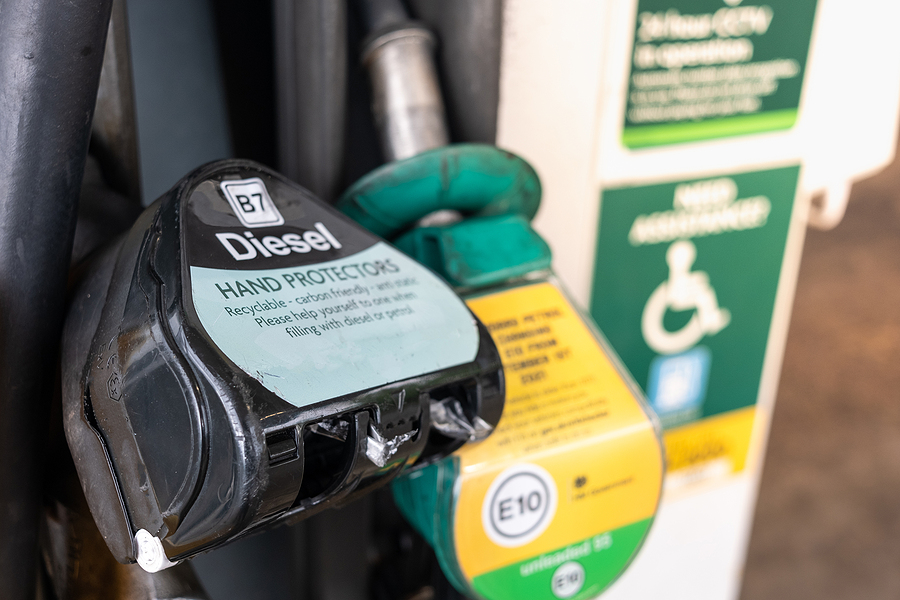
How old is your vehicle? Was it manufactured within the last twenty-five years or so? If yes, then a diesel fuel nozzle won’t even fit inside of your gas tank opening. Diesel fuel nozzles are differently-sized compared to standard unleaded gasoline nozzles at the local gas station, plus there is a special plate fitted under the gas cap on designated unleaded vehicles, making the insertion impossible. Sure, you could use your own fuel container and nozzle, or maybe your car’s older than twenty-five years old and without the hidden gas cap plate. Motorcycles don’t have the hidden gas plate either. But that’s not the end of the story. There are more reasons why you can’t put diesel into a vehicle that takes unleaded gasoline.

The Difference Between Diesel and Gasoline

So, what would happen if you put diesel fuel into a car that uses standard unleaded gasoline? To better understand what would happen and why, let’s explore the differences between diesel and gasoline. Compared to unleaded gasoline, diesel fuel is heavier. One gallon of diesel is a pound heavier than one gallon of gasoline.

Diesel fuel is also oily, and science tells us that oil doesn’t evaporate in the normal sense. The same can be said about diesel. Furthermore, diesel smells completely different than unleaded gasoline. So, when taking into consideration all of these differences, you can rationally come to the conclusion that nothing good would come of you swapping out your unleaded gasoline with diesel. In fact, you can expect your car to not start.

Why You Unleaded Gas Car Won’t Start if You Give it Diesel Fuel

You see, cars that are designed to use unleaded gasoline are equipped with a fuel injection system that uses fuel injectors to shoot gasoline into the cylinders of the engine. Once there, the fuel is ignited by the spark plugs, which then turns the engine over. But if you were to use diesel fuel in place of gasoline, the fuel injectors would transport the diesel into the engine cylinders, the spark plugs won’t be able to ignite the fuel. So, your car won’t start. Now, will it do any damage to your vehicle? That’s a whole other topic.

Will Diesel Damage an Unleaded Gas Engine?

Well, we know that an unleaded gasoline vehicle will not start if you give it diesel fuel, but we haven’t talked about whether it does any damage or not. Well, thankfully, no, there shouldn’t be any damage to your engine or any other system within the vehicle if you put diesel fuel in your unleaded gas engine car. However, you will need to drain the fuel tank and refill it with the proper fuel. This can be a really tedious process and should only be done if you are familiar with routine automotive work like oil changes and filter replacements. Otherwise, take your car into a local Indianapolis automotive repair shop for license car maintenance and repair services.

Does your car or truck need some fuel filter or fluid change service? Contact Northeast Auto Service at 317-475-1846 for professional car maintenance in Indianapolis, Indiana at a price you can afford. We work on all make and model vehicles, providing everything from oil changes to major engine work.

Related Posts:

What is a Fuel Conditioner and Should I Use One?
Frequently Asked Questions About Gas Caps
State and Federal Regulations for Private Storage of Diesel Fuel

What You Need to Know About Car Repair Insurance

All vehicle owners in the state of Indiana are required to have limited liability insurance coverage on their vehicles. But this type of insurance coverage does not cover automotive repairs and car maintenance services, nor offer extended warranties. If you want to be covered in the case that your car breaks down or requires a major repair, you’ll need to seek out an additional policy separate from your standard auto insurance.

Continue reading to learn what you need to know about car insurance coverage so that you can make the best decision for your automotive protection interests.

Cheap Auto Repair  Indianapolis Indiana 317-475-1846
Affordable Auto Repair Indianapolis Indiana 317-475-1846

Auto Repair Insurance Coverage

Insurance coverage for auto repairs and car maintenance is not included in your standard car insurance policy. Some insurance policies do include coverage for auto body work in the case of an accident or collision, but not limited liability policies. If you have the state minimum insurance coverage, you are not covered for auto body work for your own vehicle, but any other vehicles affected in the collision will be covered under your policy, but only to a certain damage cap.

To be covered under an insurance policy for auto repairs and warranty protection, you will need to either add to your current car insurance policy or seek out a separate policy, either with your same insurance company or a different one. Insurance coverage for automotive repairs is typically pricey. For this reason, it is encouraged to call around to multiple insurance carriers to compare rates and get the best deal. Your current automotive insurance carrier may not provide the best deal for auto repair insurance coverage.

Additional Considerations for Car Repair Insurance

When researching car repair insurance policies, you will find that there are different types of coverage. Different levels of coverage will render different policy prices. The more coverage, the higher the price of the policy, and vice versa. Car repair insurance policies are offered in partial or full coverage.

Another consideration is the deductible. Just like any other insurance policy, car repair insurance policies will come with deductible terms. Before being qualified for automotive repairs, you will be required to pay your policy deductible, upfront. This is something to think about since the deductible you choose will have an impact on the monthly cost of your policy.

Then there is the hassle of making an insurance claim. Everybody knows that the process of filing an insurance claim, whether for car repair or auto body work, is a complicated process, filled with all sorts of roadblocks. Ultimately, insurance companies want to pay out as little as possible for every single claim, and their employees are specifically trained to lower the value of any claim that comes through their office. This is something to think about when deciding if car repair insurance is something that is compatible with your budget and overall automotive protection needs.

Are you looking for a reliable Indianapolis auto repair shop that won’t charge you an arm and a leg for car repair or maintenance? Contact Northeast Auto Service at 317-475-1846 for professional automotive service and repair in Indianapolis, Indiana. Request a free estimate, or schedule service, today.

Related Posts:

Check Out These Indianapolis Auto Repair Coupons and Discounts
Car Care Tips for New Car Owners
Common Signs That Indicate Which Car Repair You Need

These 6 Car Malfunctions Point to the Alternator

There usually isn’t a lot of talk about alternators when it comes to automotive maintenance and repair. Yet, you simply cannot operate your vehicle without a properly functioning alternator. But how do you know if your alternator is having problems? There are certain signs to look for; 6 car malfunctions, specifically.

If your car or truck is showing one or more of these malfunctions, it could indicate that your ride needs alternator repair.

Alternator Repair Indianapolis Indiana 317-475-1846

What Does an Alternator Do?

The alternator in your vehicle plays a vital role in its overall operation and performance. Basically, the alternator supplies your vehicle with electricity. This electricity is used to power all sorts of mechanical systems and electronics within your car, including the head and taillights, interior cabin lights, heating and cooling, onboard computer systems, GPS systems, stereo, radio, dashboard operating systems, and much more. Without a properly functioning alternator, you will start to notice problems with one or more of these systems within your vehicle. This is how you can look out for the signs of alternator problems.

Oftentimes, people confuse alternator problems with car battery problems because they both supply vehicles with power. However, the alternator is responsible for charging the car battery. So, if you are experiencing electricity-related problems in your vehicle, check your car battery first. If your car battery checks out, you can safely assume your alternator needs a turn in the repair shop.

Common Signs of a Malfunctioning Car Alternator

➀ Electrical Problems

As mentioned, if you start to notice problems with any of the electrical or computerized systems within your vehicle, you might want to assume that it’s the alternator. But first, always check on the car battery to be sure.

➁ Dead Battery

If your car battery checks out in the moment, but then later fails on you, and then continues to do this over and over again, your alternator could be the underlying culprit. If you find that your jump starting your car on a regular basis or your car keeps dying while out on the road, you may need to replace alternator.

➂ Dimming Lights

Because alternators supply vehicles with a source of power, one of the first indications of alternator malfunction is dimming lights. Headlights, taillights, and interior cabin lights can appear dimmer or weak, and may even flicker. If you notice this in your vehicle, it is important to have your car battery and alternator checked out right away.

➃ Strange Noises

A common problem with alternators actually stems from a loose serpentine belt. If the serpentine belt is stretched out, which commonly happens with age, it can lose its ability to spin the alternator pulley effectively.

If you hear squealing sounds coming from your car when you started it, it could be an indication that your serpentine belt is defective and has alternator to lose charge. If you hear grinding sounds or growling noises, it can be an indication that your internal bearings have corroded or deteriorated.

➄ Illuminated Warning Lights on the Dash

If you see any warning lights on your dashboard light up, such as your “ALT” light, battery light, or your Check Engine Light, you might want to take a look at the alternator. This is especially true if you get both the battery light and the check engine light on at the same time. If you just get the car battery light, check your battery to see if it still has charge. If it is not your car battery, take it into the shop to have alternator checked out.

➅ Engine Stalling

If your engine is repeatedly stalling when you start or drive your vehicle, it is a telltale indication of an alternator malfunction. The fuel injectors are simply not getting the power they need to fuel the engine and keep it going. This situation typically leads back to the alternator.

Are you looking for a trusted Indy auto shop that can repair your alternator at a price you can afford? Contact Northeast Auto Service at 317-475-1846 for engine repair and scheduled car maintenance in Indianapolis, Indiana you can afford. We also offer auto service coupons and discounts!

Related Posts:

How Much Does Alternator Repair Cost?
Why Did My Brake Warning Light Come On in My Car?
What You Need to Know About Serpentine Belt Replacement

Top 3 Ways to Improve Your Car’s Fuel Functionality

Fuel is not cheap, no matter how you use it or what you use it for. Right now, gasoline prices are soaring strong with no indication of coming down any time soon. So, there is no better time than right now to improve your vehicle’s fuel functionality. Not only will improved fuel efficiency and reduced consumption support a smoother, better-performing vehicle, but it will also save you loads on gas costs.

Continue below to learn the top 3 ways you can improve your car’s fuel functionality.

Indianapolis Indiana Car Maintenance 317-475-1846

The Importance of Fuel Conservation

Fuel conservation efforts contribute to a lot more than just the weight of your wallet. It is important for our planet to conserve our natural resources as much as possible, because once they are gone, they are gone forever. Conserving your fuel will help support this critical cause, plus it will improve your vehicle’s performance and save you a lot of money.

Tuning your vehicle is the best approach toward achieving optimal fuel functionality. The top three ways to do this are to have your car professionally serviced by an Indianapolis automotive mechanic on a routine basis, take good care of your tires, and reduce the weight of the vehicle.

Routine Car Maintenance

At the auto shop, your trusted mechanic will provide all of the factory scheduled maintenance your vehicle requires as recommended by the automaker. As for fuel functionality, the mechanics will replace the air filters, change the oil, and check the tires for proper inflation and alignment. If necessary, they might install new spark plugs, implement an engine flush, or incorporate fuel additives.

Tire Care

It is important to check your tires regularly for proper inflation. Low tire pressure can cause your vehicle to use more fuel than it needs, thus wasting your gas and your hard earned money. If you notice that you are filling up more often than usual, start with a tire inspection. It is also important to have your tires rotated and balanced on a routine schedule, and to replace them when the tread is running low. Low tire tread can also account for poor fuel efficiency.

Car Clutter Management  

Do you have a lot of clutter in your car? The heavier your vehicle weighs, the more gasoline it uses to operate. Try taking as much stuff out of your trunk and interior cabin as possible to reduce the workload of the engine. Things like bike racks, clothing, boxes, packages, golf clubs, hunting gear, fitness gear, and even a spare tire are items to consider removing.

Are you looking for a trusted car mechanic for routine car maintenance in the Indy area? Contact Northeast Auto Service at 317-475-1846 for professional, ASE-licensed car maintenance and repair in Indianapolis, Indiana. Check out our auto shop coupons, too!

Related Posts:

What is a Fuel Conditioner and Should I Use One?
Are Bigger Tires More Fuel Efficient?
Frequently Asked Questions About Gas Caps

How to Use Engine Braking to Extend the Life of Car Brakes

If you haven’t heard of a car care strategy known as engine braking, you will be glad you came across this blog. Extending the components and systems within your vehicle ultimately extends its life. And engine braking will contribute to this objective. Continue below to learn what engine braking is, why it is beneficial, and most importantly, how to do it!

Car Brake Repair Indianapolis Indiana 317-475-1846

Engine Braking Basics

How do you reduce your speed when driving? You use the brake pedal, of course! Pressing on the brake is the go-to instinct of all drivers who want to slow their vehicles down or come to a stop. But did you know that routinely pressing the brake can impact your car’s performance and safety? Fortunately, there is more than one way to brake. Enter engine braking.

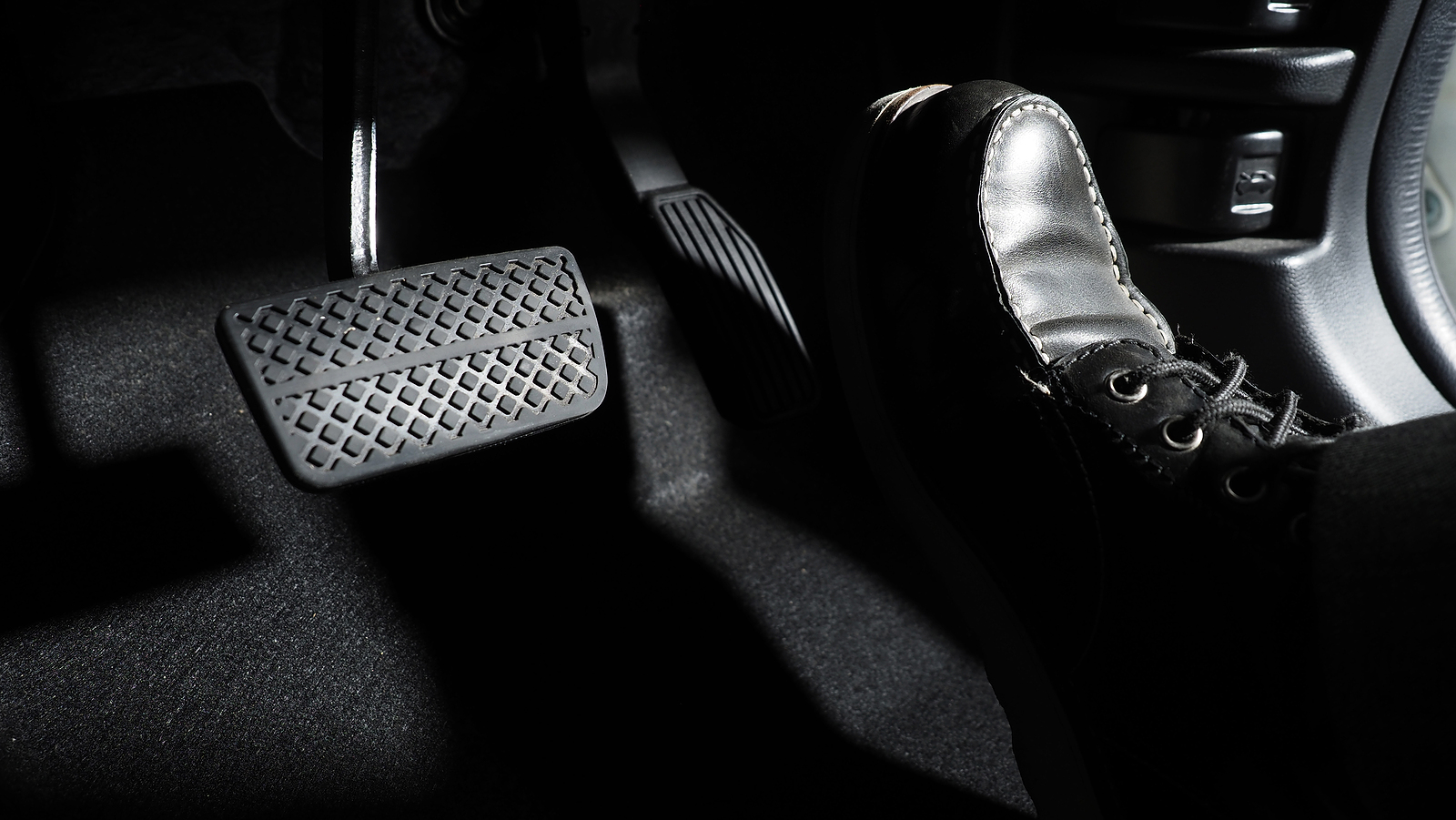
Engine braking is a driving technique that slows your car down by simply releasing your foot from the brake pedal, then shifting the gears down, one by one. This can be done in both manual and automatic transmission vehicles.

In a manual transmission vehicle, after you take your foot off the brake, keep it off, and then shift down through each gear until it is time to stop completely or gas back up. In automatic vehicles, release your foot from the pedal, then let the car slow down on its own. It is not recommended to use engine braking too often in automatic transmission vehicles.

Benefits of Engine Braking

Engine braking is an easy-to-do driving strategy that can extend the life of your car brakes and improve your vehicle’s overall efficiency. How does it work? In plain language, engine braking limits the amount of airflow sent to the engine, which causes the engine to decrease the speed of the wheel revolutions. There are many more benefits of engine braking. It reduces the rate of wear and tear on your car’s braking system and engine, especially in the case of long descents down steep roads or hills. Engine braking also increases your fuel economy, giving you better gas mileage. And, although not entirely true for automatic vehicles, engine braking is not harmful to your manual transmission so long as you do not let the RPMs go close to or above the red line on the dashboard gauge.

How to Engine Brake Safely

Engine braking is more than just taking your foot off the brake pedal and down shifting through each gear. There are some other good driving practices you must follow to protect your engine and transmission.

First, never shift down to a low gear when you are still driving fast. High speeds are not conducive to safe engine braking at low gears.

Also, it is very important to go through each gear. Avoid skipping a gear, as this can put a lot of strain on your transmission and engine.

Last, engine braking is a great driving tool, but not one to be overused. Too much engine braking can have adverse effects on your car.

Are you looking for professional car brake repair or maintenance in Indy? Contact Northeast Auto Service at 317-475-1846 for professional, ASE-licensed car brake repair in Indianapolis, Indiana. Check out our auto shop coupons, too!

Related Posts:

How to Inspect Your Car Brakes
Here’s How to Tell if Your Transmission is Failing
How to Detect Automotive Failure With Your Ears