How to Know When it’s Time to Replace Your Car Brakes

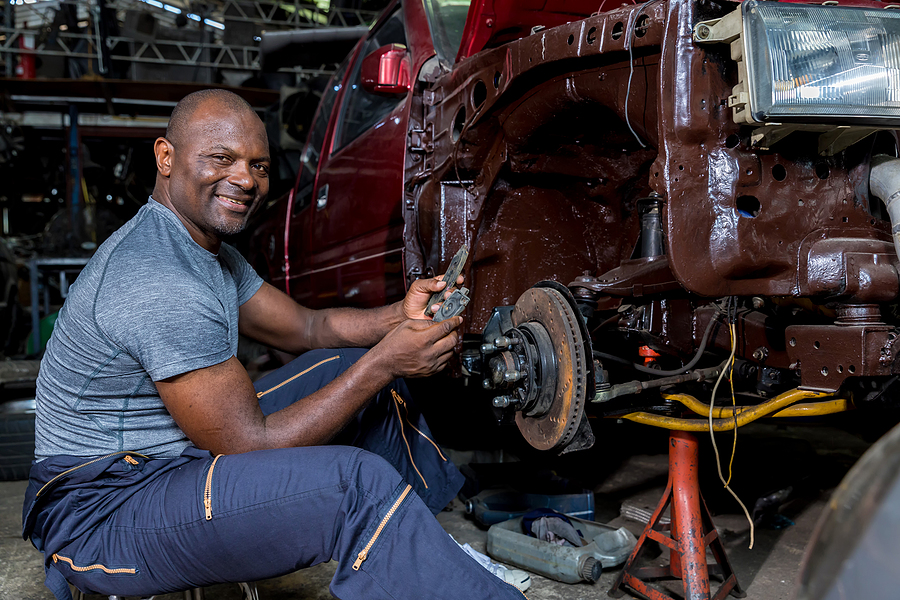
Maintaining your car is an important part of keeping it running smoothly and safely. One of the most essential maintenance tasks you can do on your vehicle is to regularly check and replace its brakes. Knowing when it’s time to replace or repair your vehicle’s brakes can be tricky, as there are several signs that indicate a need for brake work.

To ensure that your car remains safe to drive, here are some tips on how you can know when it’s time to replace or repair your car brakes.
Call 317-475-1846 For Car Brake Replacement in Indianapolis Indiana

Average Cost of Car Brake Replacement

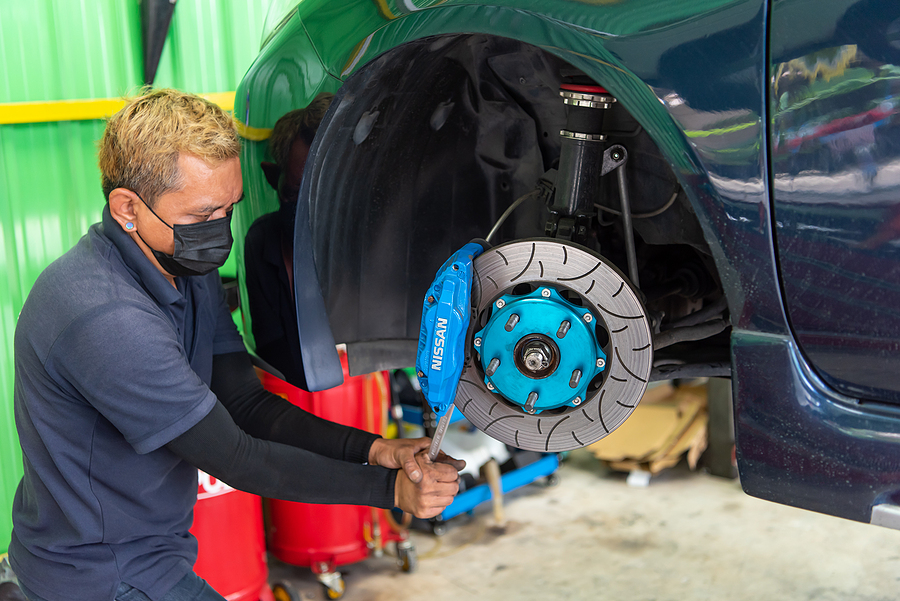
Car brake replacement is an essential part of maintaining the safety and functionality of your vehicle. When it comes to the cost, the average price of replacing brake pads and rotors on a car can vary depending on the make and model of the vehicle. On average, the cost can range from $150 to $600 for a brake pad replacement, and around $300 to $800 for a rotor replacement. However, keep in mind that additional expenses may occur depending on the state of your brake calipers, brake lines, and brake fluid. Regularly checking and servicing your brakes can save you money in the long run and give you peace of mind while on the road.

How to Tell If You Need to Replace Your Car Brakes

Listen for Unusual Noises: One of the most common signs that your brakes need attention is if you hear a squealing noise when braking. This is usually caused by worn brake pads and should be addressed immediately.

Check Your Brake Fluid Level: If you notice that your brake fluid level has decreased, it could mean that your brake lines are leaking or need to be bled. You should have this checked out as soon as possible if this happens.

Pay Attention to How Your Car Feels When Braking: If you feel any vibrating or pulsing while braking, it means that there might be an issue with your car’s rotors or drums. You should have them inspected and replaced if necessary to ensure your car’s safety.

Notice if it Takes Longer to Stop: If you find that your car takes longer than normal to stop, it could be a sign that your brakes need attention. This could indicate that there is an issue with the brake system or that the pads are wearing out and need to be replaced.

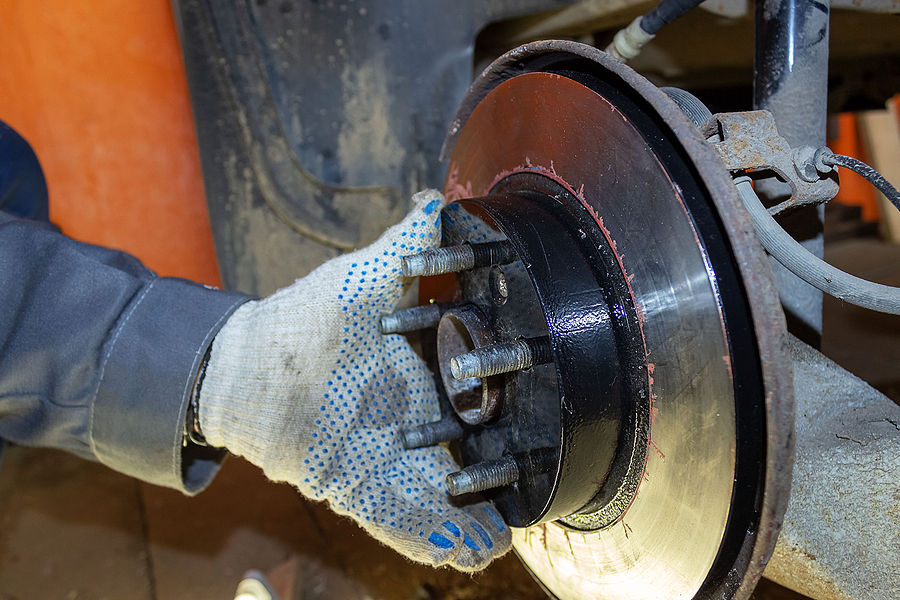
Inspect Your Brakes Visually: You should periodically inspect your brakes visually for signs of wear and tear such as rust, cracks, or even damage caused by debris. If you notice any of these signs, it’s time to have them checked and/or replaced.

By paying attention to these warning signs, you can help ensure that your car is safe on the road and prevent any further damage to your brakes. Regular brake maintenance is essential for car safety, so make sure to have your brakes checked and replaced when necessary. Doing so can save you from costly repairs down the line.

Ask a Mechanic When in Doubt

Always keep in mind that it’s important to have a qualified Indianapolis auto shop mechanic check out any problems with your brakes before attempting any DIY repair or replacement. It’s best to stay safe by having a professional take care of any issues as soon as possible.  With proper care and regular maintenance, you can be sure that your brakes will remain functional and reliable for many years to come!

Conclusion

Knowing when it’s time to replace or repair your vehicle’s brakes can be tricky, but keeping an eye out for the warning signs can ensure that you get your brakes fixed before they cause any major damage. Regularly checking your brake fluid level, listening for strange noises, noticing how your car feels when braking and inspecting your brakes visually are all important steps to take in order to maintain the safety of your vehicle. Be sure to have a qualified mechanic in Indianapolis inspect and replace any worn parts so that you will be safe on the road. With proper care and attention, you can be sure that your car brakes will last for many years!

Are you worried that your vehicle’s braking system is in need of some immediate TLC? Contact Northeast Auto Service at 317-475-1846 for professional car brake repair and service in Indianapolis, Indiana. Request a free estimate, or schedule service, today.

Related Posts:

10 Tips for Keeping Your Brakes in Good Condition
Top 4 Signs of Failing Car Brakes
How Often Should I Bleed My Car Brakes?
10 Tips for Saving Money on Factory Scheduled Car Maintenance

Everyone wants to save money, and car maintenance is no exception. Keeping up with factory scheduled car maintenance can help extend the life of your vehicle, but it doesn’t have to break the bank. Here are 10 tips for saving money on factory scheduled car maintenance that will keep your vehicle running smoothly without breaking the bank.  From finding an affordable mechanic to buying quality parts and supplies, these tips will help you get the most out of your car care budget. So, read on and start saving today!

Call 317-475-1846 For Affordable Car Maintenance in Indianapolis Indiana

How to Stay Cost-Savvy with Your Car Maintenance Schedule

Owning a car can be expensive! The good news is that there are ways to reduce your car maintenance expenses. Savvy drivers know that creating a plan for vehicle upkeep and proactive choices like finding good deals on auto parts and oil changes can add up to big savings in the long run. Taking preventative measures, such as replacing worn tires or keeping up with regular check-ups, might seem daunting at first, but these important steps will prevent more costly repairs down the road and less money leaving your wallet.

Here are some money-saving tips that can help:

1. Get Informed: Educate yourself about the recommended factory scheduled maintenance for your car make and model. Knowing when services are due can help you save money by scheduling them together, and understanding what services are being performed will allow you to budget better.

2. Look for Discounts: Many auto shops offer seasonal or loyalty-based discounts that can help you save on factory scheduled maintenance. Ask around to see if any good deals are available in your area or online before settling on a price.

3. Buy Quality Parts: Although it may be tempting to buy cheaper parts in order to save money, buying quality parts is essential for proper vehicle maintenance. Low-quality parts may end up costing more in the long run due to having to be replaced more often.

4. Do Your Own Research: Take the time to research which auto shops offer the best prices for factory scheduled maintenance services in your area and read customer reviews so you know what kind of service to expect.

5. Compare Prices: Don’t settle for the first quote you get – use comparison shopping tools like Consumer Reports or Angie’s List to compare different auto shops’ pricing and services so that you can make an informed decision about where to take your car for factory scheduled maintenance.

6. Ask for Help: If you don’t feel confident doing a task yourself, ask a friend or family member who is knowledgeable about cars if they can help. This is a great way to save money on labor costs while still ensuring that the job gets done right.

7. Use Coupons: Many auto shops offer online coupons and discounts that you can use to get discounts on factory scheduled maintenance services. Sign up for newsletters and check coupon sites regularly so that you’re always aware of any deals available in your area.

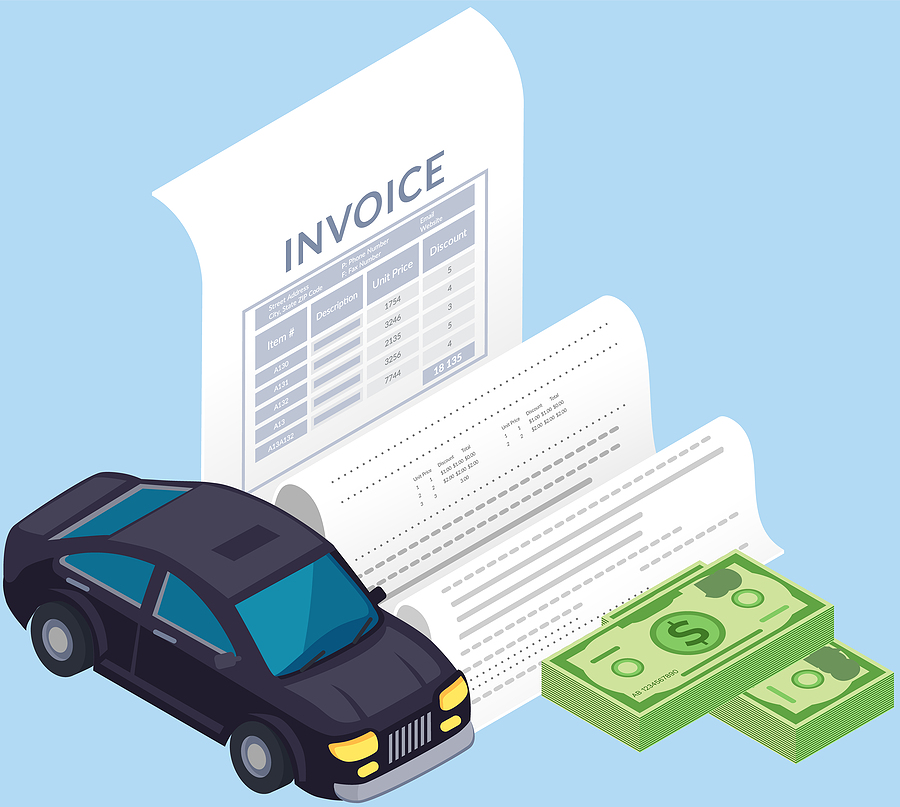
8. Keep Track of Receipts: Make sure to keep all receipts related to car care, as this will make it easier for you to budget for future services and repairs. You may also be able to write off certain expenses at tax time if they are car-related, so it pays to be organized!

9. Ask About Warranties: Many auto shops offer warranties on certain services, so make sure to ask about them. It is also important to read the fine print and understand what the warranty covers before agreeing to it.

10. Shop Around for Car Insurance: Car insurance plays an important role in protecting your vehicle, so shop around for the best deal possible. The money you save on car insurance could be used towards factory scheduled maintenance costs, which will help keep your car running smoothly at a fraction of the cost!

Stick to Your Car Care Budget With These Tips

Following these 10 tips can help you save money on factory scheduled car maintenance without compromising quality or safety. Taking care of your vehicle doesn’t have to break the bank – with a little research and preparation, you can find ways to get the most out of your car care budget. 

Ready to appoint a trusted Indianapolis mechanic for your car care needs? Book your scheduled automotive service today! Contact Northeast Auto Service at 317-475-1846 for ASE licensed and trained factory scheduled maintenance and car inspections in Indianapolis, Indiana. We work on all make and model vehicles!

Related Posts:

How to Make Your Car Last Longer For Cheaper
Northeast Auto Service Guarantees the Lowest Auto Repair Prices in Indy
Where to Get Free Coupons for Auto Repair and Service in Indianapolis

7 Tips for Making Sure Your Tires Last Longer

Tires are an essential part of your car and keeping them in good condition is important for a safe and smooth ride. Unfortunately, many people neglect their tires until it’s too late – resulting in costly tire replacements or even worse, unsafe driving conditions. To ensure that your tires last as long as possible, here are seven tips to help you keep them in great shape: regular tire rotation; proper inflation pressure; check the tread depth regularly; avoid curbs and potholes when parking; drive with caution on hot pavement; inspect the sidewalls for any damage or wear-and-tear signs; and replace old tires before they become dangerous.

By following these simple steps, you can protect yourself from unnecessary expense while maintaining a safe driving experience.

Call 317-475-1846 For Tire Rotation and Balancing in Indianapolis, Indiana.

Achieve Ultimate Tire Longevity With These 7 Tips

Tire Rotation and Balancing

Tire rotation and balancing is one of the best ways to extend the life of your tires. This involves regularly switching out your tires, placing the front ones on the rear and vice versa.  Not only does this help even out any uneven wear that may be occurring, it also prevents bald spots from appearing sooner than expected. You should get your tires rotated every 5,000 to 8,000 miles or according to the manufacturer’s guidelines – whichever comes first.

Tire Pressure

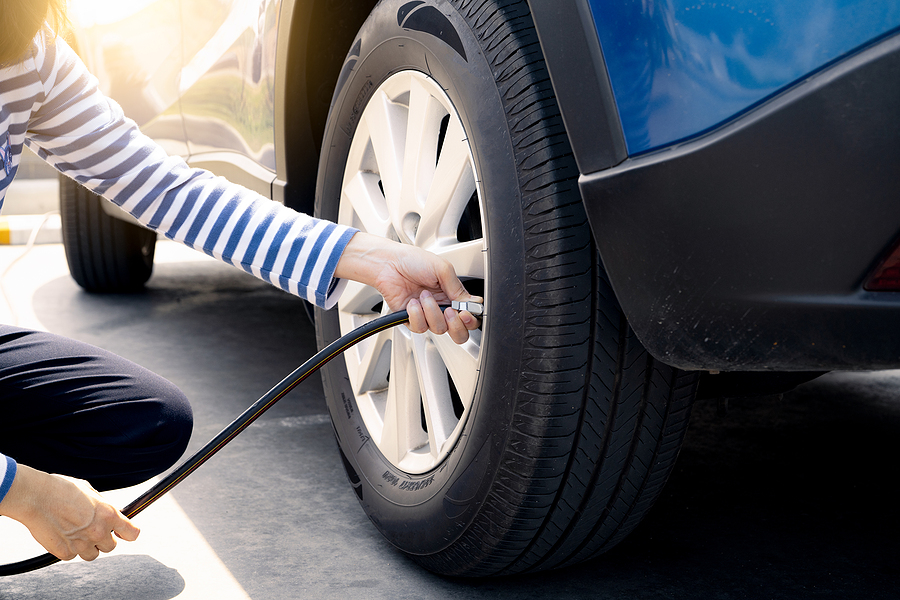
Another important step in tire care is making sure the pressure is correct for each individual tire. This can typically be found on a label inside the driver-side door jamb or on the glove compartment door. Underinflated tires can lead to reduced gas mileage as well as worn-out tires faster than usual. Conversely, overinflated tires can create a bumpy ride and can also wear down the center of the tire quicker.

Tire Tread

It’s important to check your tire tread depth on a regular basis in order to ensure that you have sufficient traction. The best way to do this is by using a reliable tread depth gauge or penny test – placing a penny upside down in between each groove and checking if Lincoln’s head is still visible; if it is, then your tread has become too shallow. If the tread has become too shallow, replace your tires immediately for safety reasons.

Parking Tips

When parking your car, always try to avoid curbs and potholes. Driving over these obstacles can potentially cause damage to your tires, such as punctures or bulges. If you have to drive over them, make sure to do so slowly and cautiously.

Driving in Hot Weather

When driving on hot pavement during summer months, keep an eye out for any potential tire damage. The heat can cause the rubber to expand quickly which can result in a blowout if it’s driven at high speeds.  Make sure to be extra careful when driving on hot asphalt or concrete – reducing speed and keeping an eye out for anything that might indicate tire trouble.

Tire Sidewalls

Inspecting the sidewalls of your tires is another important step in making sure they last longer. Look for any signs of wear-and-tear such as cracks, blisters, or missing chunks. Also, make sure to check for any punctures or bulges that could indicate a more serious problem.

Tire Replacement

Finally, it’s important to replace your old tires before they become dangerous. Tires that have aged past six years should be inspected closely and replaced if necessary – even if there are no visible signs of damage. This is because the rubber compounds used in tire manufacturing can break down over time due to exposure to the elements and other factors, making them less effective in providing safe traction on the road.

Get Optimal Tire Performance Year-Round

By following these seven tips, you can ensure that your tires last as long as possible while maintaining their performance and safety. Taking care of your car’s tires is essential for a smooth ride and peace of mind.   So, remember to routinely inspect your tires, rotate them regularly, maintain proper pressure and replace old ones in a timely manner. By doing so, you’ll be able to protect yourself from unnecessary expense while maintaining the best performance from your car.

Are you looking for a qualified auto repair shop that offers the most competitive rates for tire services? Contact Northeast Auto Service at 317-475-1846 for professional tire service and repair in Indianapolis, Indiana. Request a free estimate, or schedule service, today.

Related Posts:

When Should I Rotate and Balance My Car Tires?
Are Bigger Tires More Fuel Efficient?
Recommended Maintenance for a Car That Has Not Been Driven in a While

How to Diagnose and Solve Common Auto Electrical Problems

If you’re a car enthusiast or car owner, you know the importance of having a car that runs smoothly and efficiently. But when auto electrical problems arise, it can be both frustrating and confusing trying to diagnose and solve them. From faulty wiring to dead batteries, car electrical issues can range from minor inconveniences to major safety hazards.

Fortunately, with some basic knowledge about car electrical systems and the right tools for the job, many common auto electrical problems are easily fixed. This blog post will cover how to diagnose and solve common auto electrical problems quickly and safely so you can get back on the road in no time!

Call 317-475-1846 For Auto Electrical Repair in Indianapolis Today!

The 101 on Car Electrical Systems and Their Typical Issues

To start, it’s important to get familiar with car electrical systems. This includes understanding how the car’s battery works, and the different types of wiring used in car electrical systems. It also helps to understand basic car electrical principles such as voltage and current, which are both measures of the flow of electricity through a circuit.

The next step is to diagnose car electrical problems. This starts with identifying the source of the problem, which could be anything from a worn or broken part to a loose wire connection. You can use a multi-meter to check for voltage and current at different points in the car’s electrical system. This will help you narrow down where the issue lies.

Once you’ve identified the source of the car electrical problem, it’s time to start solving it. This will require some basic car electrical repair knowledge and tools. Some common car electrical repairs involve replacing faulty wiring or switches, reconnecting loose connections, and recharging or replacing car batteries.

Finally, make sure to properly maintain car electrical systems. This includes checking car battery levels and wiring connections regularly, as well as replacing any worn out parts or components. Doing so will help you avoid car electrical problems in the future and ensure your car is running smoothly and efficiently for years to come!

Get Ahead of Auto Electrical Issues With Good Car Care

By following these steps, you can quickly diagnose and solve common auto electrical problems with ease. With the right knowledge and tools, car electrical systems can be easily maintained and repaired for a safe and smooth car-ownership experience.

Got car electrical problems? Don’t worry, we can help! Contact Northeast Auto Service at 317-475-1846 to get started on diagnosing and repairing your car’s auto electrical issues, quickly and at a price you can afford. We look forward to helping you get back on the road in no time!

Related Posts:

Can Cold Weather Damage My Car?
How Much Does Alternator Repair Cost?
A Common Myth About Repairing Cars Under Warranty

10 Tips for Keeping Your Brakes in Good Condition

Are you looking for ways to keep your car’s brakes in good condition? If so, you’ve come to the right place! Proper brake maintenance is essential for safe driving and avoiding costly repairs. Here are 10 tips to help you keep your brakes in top shape throughout the year.  From regular inspections and fluid changes to checking brake pads and rotors, these easy-to-follow steps will ensure that your vehicle has reliable braking power whenever you need it.

So, read on for some useful advice about keeping your brakes in great condition!

Call 317-475-1846 For Car Brake Service in Indianapolis Indiana.

Top 10 Ways to Take Good Care of Your Car Brakes

1. Get Regular Brake Inspections: An easy way to make sure your brakes are in good condition is to have them regularly inspected by a mechanic or technician. A qualified professional will be able to detect any potential problems with your brakes before they become serious and expensive repairs.

2. Change Your Brake Fluid: Changing your brake fluid regularly is one of the most important maintenance steps you can take. Brake fluid absorbs moisture over time, which makes it less effective at stopping your car. Be sure to keep up with this simple but important step for optimal brake performance.

3. Check Your Brake Pads: Another important part of maintaining your brakes is to check the brake pads. If they become too worn, it’s time to replace them. This will help reduce friction and wear on your rotors, which can save you money in the long run.

4. Check Your Rotors: The rotors are what allow your car’s brakes to stop quickly and effectively. Over time, the rotors can become warped or damaged due to wear and tear. If this happens, it’s important to have them replaced as soon as possible to avoid any costly repairs down the line.

5. Clean Your Brakes: Regularly cleaning your brakes will help keep them in good condition by removing dirt, dust, and other debris that can build up over time. This simple step will ensure your brakes are always working their best.

6. Check for Leaks: Checking for leaks in your brake lines is essential to maintaining optimal brake performance. If any leaks are detected, they should be repaired immediately to avoid any further damage or costly repairs.

7. Check for Vibrations: If you feel any vibrations or pulsing when applying your brakes, it could be a sign that something is wrong. This could be caused by worn brake pads, warped rotors, or loose parts. Have a mechanic inspect your brakes if this happens to ensure everything is in good condition. 

8. Avoid Sudden Stops: It’s important to avoid making sudden stops in order to protect your brakes from excessive wear and tear. Make sure to give yourself plenty of distance between you and the car in front of you so you can brake gradually when needed.

9. Don’t Drag Your Brakes: Dragging your brakes can cause unnecessary wear and tear. This happens when you keep your foot on the brake pedal after slowing down to a certain speed, instead of releasing it completely. Make sure to take your foot off the brake when you’re not applying pressure in order to avoid any premature damage.

10. Don’t Ignore Warning Signs: If your car is making any strange noises or behaving oddly when you apply the brakes, it’s time to get them checked. Ignoring warning signs can lead to more serious problems in the future, so be sure to take your car in for a brake inspection at the first sign of trouble.

Good Brake Care Will Ensure Safer and More Enjoyable Driving

Following these tips can help keep your brakes in optimal condition, allowing you to enjoy worry-free driving and avoid costly repairs. Be sure to stay on top of brake maintenance so that you can feel confident your car will respond when you need it to.  Speak with a licensed auto mechanic for personalized advice about car maintenance.

Are you looking for a dependable automotive mechanic for help with your car or truck issues? Contact Northeast Auto Service at 317-475-1846 for professional brake repair and automotive service and repair in Indianapolis, Indiana. Request a free estimate, or schedule service, today.

Related Posts:

3 Auto Care Services to Ensure Brake Performance and Longevity
Why Did My Brake Warning Light Come On in My Car?
How to Use Engine Braking to Extend the Life of Car Brakes

10 Essential Tips for Winter Car Maintenance

Winter can be tough on your car, and if you’re not prepared for the cold weather and icy roads, it could end up costing you a lot of money. But with some basic winter car maintenance tips, you can keep your car running smoothly all season long. From changing your oil to checking tire pressure, here are 10 essential tips that will help keep your vehicle in top shape during the colder months.

By following these simple steps every few weeks or so throughout the winter season, you can ensure that your car is ready to take on whatever Mother Nature throws at it!

For Winter Car Maintenance in Indianapolis, Call 317-475-1846 Today!

Top 10 Tips for Winter Car Care

1. Change Your Oil: It’s important to maintain consistent oil changes throughout the year, but especially during winter. The cold temperatures can cause your engine oil to thicken, which can make it harder for it to flow and do its job of keeping your car running smoothly. Make sure you keep up with regular oil changes and check your oil levels often.

2. Check Tire Pressure: Cold temperatures can cause air pressure to decrease in your tires, making them more susceptible to wear and tear. Make sure you check your tire pressure regularly and fill it up if necessary so you don’t end up with flat tires or worse – a blowout!

3. Replace Wiper Blades: The snow, ice and salt on the roads in winter can lead to a buildup of grime and dirt on your car’s windshield. This can make it harder for you to see when driving, so be sure to replace your wiper blades with ones designed specifically for winter weather.

4. Keep Your Battery Charged: Cold temperatures can also cause car batteries to lose charge, so be sure to check it often and keep your battery charged.

5. Add Antifreeze: Make sure you add antifreeze to your car’s radiator regularly to help keep the engine from freezing during colder weather.

6. Check Brakes: Winter roads can be slick and icy, so it’s essential that you check your car’s brakes regularly to make sure they are in good working order.

7. Check Tire Tread: Replacing worn-out tires is important all year round, but particularly during winter when the roads may be slicker than usual. Make sure to check your tire tread every few weeks or so and replace them as needed.

8. Clean Undercarriage: Snow, ice, salt and dirt can build up on the undercarriage of your car during winter. This can cause rust and corrosion over time, so it’s important to clean underneath your car regularly to prevent damage.

9. Check Lights and Signals: Driving in winter can be especially difficult if you’re not able to see the road clearly or signal when necessary. Make sure your headlights, brake lights and turn signals are all working properly before hitting the roads this season.

10. Test Your Heater: A functioning heater is essential during winter, so make sure to check it before the weather turns too cold. It’s also a good idea to bring a car blanket in case your car’s heater isn’t working properly.

Trust Your Local Indianapolis Mechanic For Car Maintenance This Winter

By following these essential tips for winter car maintenance, you can help protect yourself and your car this season. And if you encounter any car problems, make sure to contact a qualified Indianapolis auto mechanic right away. Taking these extra steps now will keep your car running smoothly and prevent costly repairs down the line.

Are you ready to book your winter automotive service with a dependable Indianapolis mechanic? Contact Northeast Auto Service at 317-475-1846 for ASE licensed and trained factory scheduled maintenance and car inspections in Indianapolis, Indiana. We work on all make and model vehicles!

Related Posts:

Winter Preventative Maintenance Tips for Cars and Trucks
How to Ensure Good Driving Visibility in the Winter
4 Automotive Hacks That Will Improve Driving Safety

Winter Preventative Maintenance Tips for Cars and Trucks

With a few snowfalls under our belts this year already, it is safe to say that now is the right time to prepare your cars and trucks for the upcoming climate. Snow, ice, salt, rain, and slush can all be damaging to your ride if you do not implement the proper preventative maintenance. Furthermore, colder temperatures innately impact the efficiency and performance of automobiles.

Continue reading to learn the best way to winterize your car or truck before the peak of the winter season is upon us, plus where to go for the best automotive service in Indianapolis.

Call 317-475-1846 For Winter Auto Service in Indianapolis!

Car Care For Winter

Winter is almost here, and while your car may feel the chill more than you do, it’s important to take extra care of your vehicle to ensure winter doesn’t take a toll on its health. From checking your antifreeze levels to inspecting your battery, there are several things that drivers need to consider when preparing their cars and trucks for the colder months.

The most important part of winterizing your vehicle is ensuring it’s ready to tackle any weather conditions that may come its way. Make sure your antifreeze levels are full and check to ensure there are no leaks. It’s also a good idea to check the battery, as cold temperatures can reduce its effectiveness. Make sure to have the battery tested and, if necessary, replaced to avoid any issues with starting in freezing temperatures.

Your car’s tires are also essential for a safe drive during winter conditions. Check your tire pressure regularly and make sure you have enough tread on each tire for maximum grip on snow and ice-covered surfaces. Also, if your tires are low on tread, consider investing in winter tires to improve your vehicle’s ability to grip the road during inclement weather.

Finally, inspect your lights and wipers. Lights are essential for night driving visibility, so make sure all of yours—headlights, taillights, indicators, and fog lights—are functioning and bright. Wipers are also a must-have for winter since rain, sleet and snow can obscure your vision. Check your wipers to make sure they don’t streak or leave streaks on the glass and replace them if necessary.

Winter Automotive Maintenance Advice

Winter is a harsh season for your car or truck. With snow, ice, and cold temperatures all working against it, you need to make sure your vehicle is prepared for the next few months with preventative maintenance. Here’s what the ASE-licensed mechanics at Northeast Auto recommend you do to get ready:

Check Your Tire Treads and Pressure – Make sure your tires are properly inflated and have enough tread to provide sufficient traction. You may also want to consider using winter tires for the snowy months.

Check Your Battery – Cold temperatures can cause your car’s battery to drain more quickly, so make sure you check it before the temperatures start dropping.

Change Your Oil – Changing your oil is essential to ensuring the longevity of your engine. Depending on how many miles you’ve driven since your last oil change, it’s a good idea to get this done before winter rolls in.

Top Off Fluids – Check all of the other fluids in your car, including antifreeze and windshield washer fluid. Make sure they’re all full and winterized for the season.

Check Your Brakes – If you hear any grinding or squeaking, then it’s likely that you need to have your brakes serviced before winter sets in.

Get a Tune Up – Have your car tuned up by a professional mechanic to make sure everything is running correctly. This will help your car run better, more efficiently, and last longer in the cold weather months.

Stock Up on Roadside Emergency Supplies With the dangerous road conditions and freezing temperatures at play, be sure your car is stocked with the proper roadside emergency supplies and car tools, such as jumper cables, spare tire, windshield wiper brush, thermal blanket, road triangles, reflective vests, water bottles, reserve fuel, and more.

By following these winter preventative maintenance tips, you can help ensure that your car or truck is ready to handle whatever Mother Nature throws at it this winter. Keep your vehicle safe and sound by preparing ahead of time.

Could your car or truck use some professional winter automotive service? Contact Northeast Auto Service at 317-475-1846 for ASE-licensed car maintenance in Indianapolis, Indiana at a price you can afford. We service all make and model vehicles. Also, be sure to check out our automotive service coupons!

Related Posts:

How to Ensure Good Driving Visibility in the Winter
Can Cold Weather Damage My Car?
How to Make Your Car Last Longer For Cheaper

Is Differential Fluid Different From Transmission Fluid?

Differential fluid and transmission fluid may seem similar, but they actually serve different purposes. Differential fluid helps to lubricate the gears in your car, while transmission fluid helps to cool and protect the transmission components. Transmission fluid should be checked regularly to ensure that it is at the correct level and condition. Differential fluid does not need to be checked as often, but it is important to check it periodically to make sure that it is clean and at the correct level.

Continue reading to learn details about these differences and more.

Car Engine Repair and Automotive Service in Indianapolis Indiana. Call 317-475-1846 Today!
Automotive Service in Indianapolis Indiana. Call 317-475-1846 Today!

A Comparison of Transmission Fluid and Differential Fluid

Differential fluid is a type of oil that helps to lubricate the gears in your car’s differential. This helps to prevent wear and tear on the gears, as well as reducing noise and improving fuel efficiency. Transmission fluid, on the other hand, is a type of oil that helps to lubricate the gears in your car’s transmission. This helps to prevent wear and tear on the gears, as well as reducing noise and improving shift quality. So, what’s the difference between these two types of fluids?

Differential fluid is thicker than transmission fluid, which means that it can provide better lubrication for the gears in your differential. This can help to prolong the life of your differential and improve its performance. Transmission fluid, on the other hand, is thinner than differential fluid, which means that it can provide better lubrication for the gears in your transmission. This can help to prolong the life of your transmission and improve its performance.

Differential fluid is also designed to withstand higher temperatures than transmission fluid. This means that it can better protect the gears in your differential from heat damage. Transmission fluid, on the other hand, is designed to withstand lower temperatures than differential fluid. This means that it can better protect the gears in your transmission from cold damage.

You Can Benefit From Both Fluids

So, which type of fluid is right for you? If you’re looking for the best possible performance and protection for your car, then you should use differential fluid in your differential and transmission fluid in your transmission. However, if you’re looking for the best possible value, then you should use transmission fluid in both your differential and transmission. Whichever type of fluid you choose, make sure to follow the manufacturer’s recommendations for the best results.

Choose Professional Auto Service

Regularly scheduled car maintenance is important to keep your vehicle running smoothly and prolonging the life of your car. While you may be tempted to save a little money and do the work yourself, it’s important to take the advice of your Indianapolis mechanic when it comes to routine car maintenance. They have the experience and knowledge to keep your car in good condition, and they can also help identify any potential problems before they become bigger issues. Neglecting factory scheduled car maintenance can lead to costly repairs down the road, so it’s always best to err on the side of caution and let the professionals take care of things.

Are you looking for a qualified and affordable Indianapolis auto repair shop that won’t charge unfair rates for car repair or maintenance? Contact Northeast Auto Service at 317-475-1846 for professional automotive service and repair in Indianapolis, Indiana. Request a free estimate, or schedule service, today.

Related Posts:

Here’s How to Tell if Your Transmission is Failing
Automotive Maintenance 101 for Trucks
Check These Five Automotive Fluids Regularly

Top 4 Signs of Failing Car Brakes

It’s no secret that driving can be dangerous. But did you know that being a safe driver doesn’t just mean being a good driver? It also means keeping your car in good condition. That’s right – making sure your car is regularly serviced and that you keep up with basic maintenance can go a long way towards keeping you safe on the road.

Of course, there are other factors that contribute to safe driving, but maintaining your car is a good place to start. So, if you’re looking to be a safer driver, don’t forget about your car! One of the most important areas of focus are the car brakes. After all, you need them to stop and control the speed of your vehicle!

How are your car brakes doing? Could they use some service or repair? Do you need car brake replacement? Continue below to learn the top 4 signs of failing car brakes, plus where to get trusted and affordable car brake repair near you.

Car Brake Repair Indianapolis Indiana 317-475-1846

4 Common Car Brake Problems

One of the most important components of your car is the brakes. Without them, you wouldn’t be able to safely stop your vehicle. That’s why it’s so important to be aware of the signs of failing car brakes. By catching brake problems early, you can avoid a potentially dangerous situation and keep your car running smoothly.

Here are four signs that your car brakes may be failing:

❶ Your brake pedal feels spongy or soft when you press it. This is often a sign of air in the brake lines, which can reduce the effectiveness of your brakes.

❷ You hear squealing or grinding noises when you brake. This can indicate that your brake pads are worn out and need to be replaced.

❸ Your car takes longer than usual to stop. If your brakes are losing their effectiveness, it will take longer for your car to come to a stop.

❹ Your brake warning light is on. This is usually an indication that there is something wrong with your brakes and you should have them checked by a professional as soon as possible.

If you notice any of these signs, it’s important to have your brakes checked out by a qualified car mechanic in Indianapolis. Ignoring brake problems can lead to serious accidents and injuries, so it’s always better to be safe than sorry.

The Link Between Car Care and Brake Maintenance

It is well known that driving safely is the number one priority on the road. But what many people don’t realize is that car maintenance is just as important in keeping you safe on the road. A properly maintained car will have tires with good tread, good fuel functionality, functioning lights, and most importantly, brakes that work effectively. This minimizes the chances of you getting into an accident. It is also important to have your car regularly serviced at a licensed Indianapolis auto repair shop so that any potential problems can be caught early on. This way, you can avoid breakdowns or other issues that could put you in danger while driving. So, remember that safe driving starts with a well-maintained car. Make sure to take care of your vehicle and it will help keep you safe on the road.

Are you looking for professional and affordable brake service near you? Contact Northeast Auto Service at 317-475-1846 for ASE-licensed car brake service and repair in Indianapolis, Indiana. Check out our auto shop coupons, too!

Related Posts:

How to Inspect Your Car Brakes
Why Did My Brake Warning Light Come On in My Car?
How to Use Engine Braking to Extend the Life of Car Brakes

How to Save Gas Money By Taking Better Care of Your Car

With most good things, there is a catch. If you want to lose weight, you have to give up sugar. If you want to save money, you have to rent the smaller apartment. But when it comes to fuel savings, you may have found the exception to the rule! Because believe it or not, there is a way to save your gasoline and reduce fuel consumption without sacrificing an ounce of drive-time! You don’t have to limit your driving by driving less altogether just to save on gas.

Continue reading to learn what you can do to save fuel without restricting the amount of time or distances you drive.

Car Maintenance Service Indianapolis Indiana 317-475-1846

Factory Scheduled Maintenance is Vital

The simple trick to using less gas is not to drive less, but to drive smarter. And a smart driver (YOU) makes sure they are staying current with all their factory scheduled vehicle maintenance. This includes fluid changes like motor oil, coolant, windshield wiper, and power steering. But also includes services like tire balancing and rotation, brake pad inspections and replacements, cabin filter replacements, air filter replacements, comprehensive inspections, and more.

Aside from what your trusted mechanic can provide for your vehicle in terms of routine maintenance, there are many things you can do yourself to keep your ride in tip-top condition, allowing it to utilize fuel efficiently and perform for years to come.

Best Practices for Driving and Car Care

Take initiative into your own hands with do-it-yourself (DIY) car care. There are many things you can do on your own to continue vehicle maintenance in between regular scheduled mechanic visits. You can start by making sure your tires are always properly inflated. When they are not, your vehicle must work harder to assume the same level of performance, which uses more fuel. Also, be sure to periodically inspect the gas cap for damages. This can cause fuel to vaporize into the air.

Another way to use your fuel efficiently is to obey the speed limit and accelerate slowly. This also protects several components of your vehicle, allowing optimal performance and safety. Last, try emptying the trunk and backseat of unneeded materials. This can reduce the overall weight of your car, thus reducing the amount of gas it needs to operate.

Although there is no magical way to truly “drive more and use less”, with routine car care you can optimize your vehicle’s fuel economy, which essentially delivers the same financial gratification. Talk to your trusted automotive service technician about your vehicle’s recommended maintenance schedule. You may refer to your vehicle’s owners’ manual for additional information as well.

Does your car or truck need some routine auto service or a repair? Contact us at 317-475-1846 for the most affordable and reliable auto repair services in Indianapolis, Indiana. Request a free estimate, or schedule service, today.

You Should Also Read:

Recommended Car Maintenance Schedule
Top 3 Ways to Improve Your Car’s Fuel Functionality
4 Ways to Get Better Gas Mileage