Automotive Maintenance 101 for Trucks

Maintenance services are intended to keep a vehicle’s motor in optimal condition and prevent future costly breakdowns and repairs. They are quite necessary, whether you have a car or a truck. If you are new to owning both a car and a truck, you will start to notice a slight difference in their maintenance needs. A truck’s maintenance schedule and requirements differ from that of a standard two or four-door vehicle. But overall, both types of vehicles require pretty much the same services.

The owners’ manual gives detailed instructions regarding your make and model’s factory scheduled maintenance needs and agenda. If you do not have this manual for your vehicle, you can most likely download a copy online, or consult an auto mechanic for professional advice.

Continue reading to learn the recommended car maintenance schedule for trucks, plus where to get dealership-level auto repair and service at a fraction of the cost in Indianapolis.

Truck Mechanic Indianapolis Indiana 317-475-1846

The Fundamentals of Routine Truck Maintenance

Fluid Refills

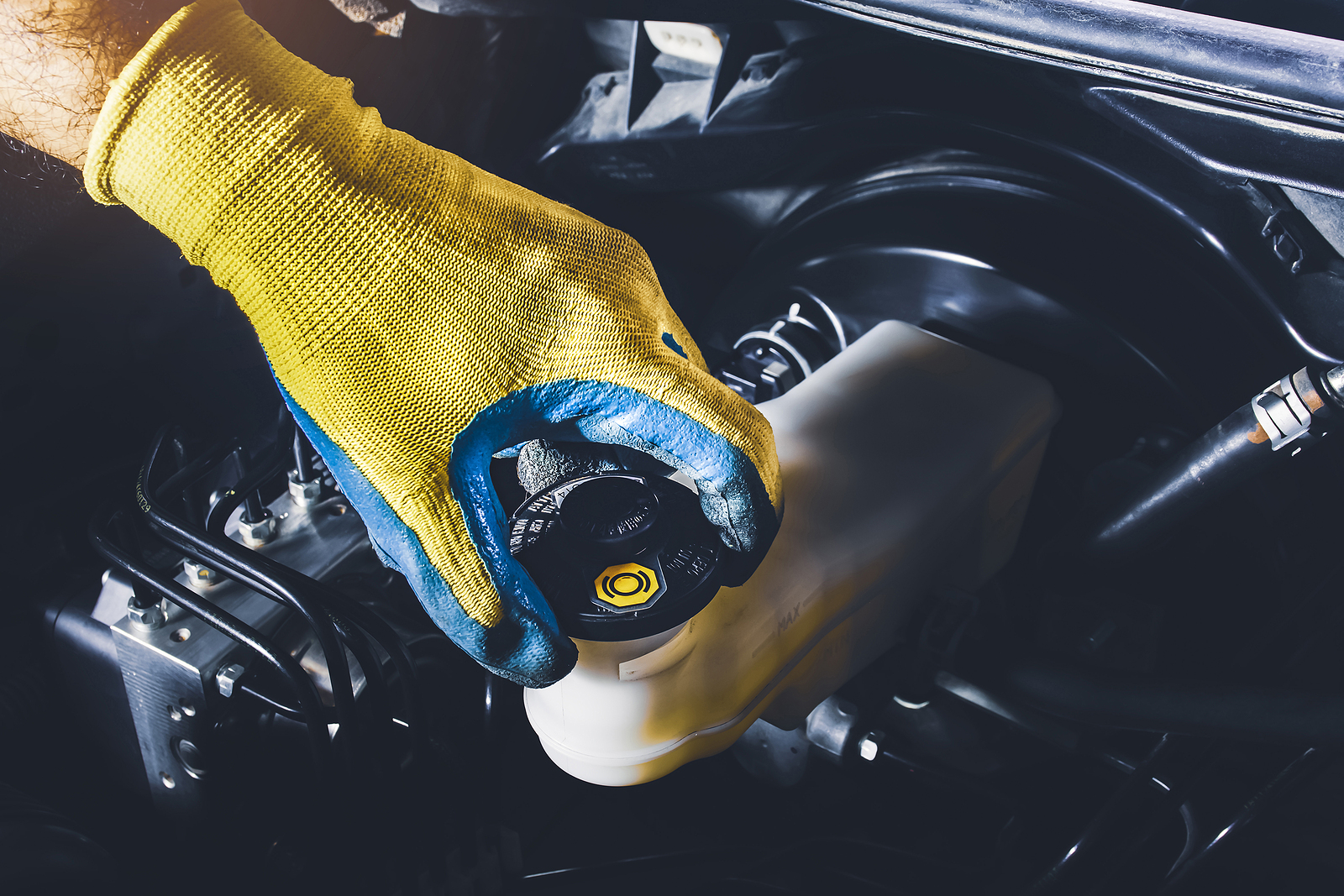
All motor vehicles, whether truck, car, or SUV, requires a certain level and array of fluids to operate effectively and safely. These fluids include motor oil, transmission fluid, brake fluid, coolant, windshield wiper solution, power steering fluid, and battery fluid. But cars and trucks are used for different purposes, and they drive differently. A car only holds up to five passengers and drives mostly on smooth roads; whereas a truck is likely to carry loads, haul items, and drive on rougher terrains. This type of driving causes the fluids to run hotter and get used up quicker. For this reason, trucks will require more frequent fluid changes than a standard car.

Lube and Oil

On the topic of fluids, trucks also require routine lubrication of their ball joints and U-joints. These areas also need to be inspected regularly for damages or defects. For manual trucks, it is important to also check on the clutch reservoir fluid to make sure it is at a good level.

Vehicles need air and oil filters to keep the motor clean of solid debris. Otherwise, the debris would enter the motor and grind between moving parts, causing engine damage. For trucks that are used in construction or other rugged outdoor sites, it is likely that the air and oil filters are accumulating more debris at a faster rate. This means trucks used under these conditions will require more frequent filter changes than cars.  Fortunately, filters are cheap and easy to change.

Tire Inflation

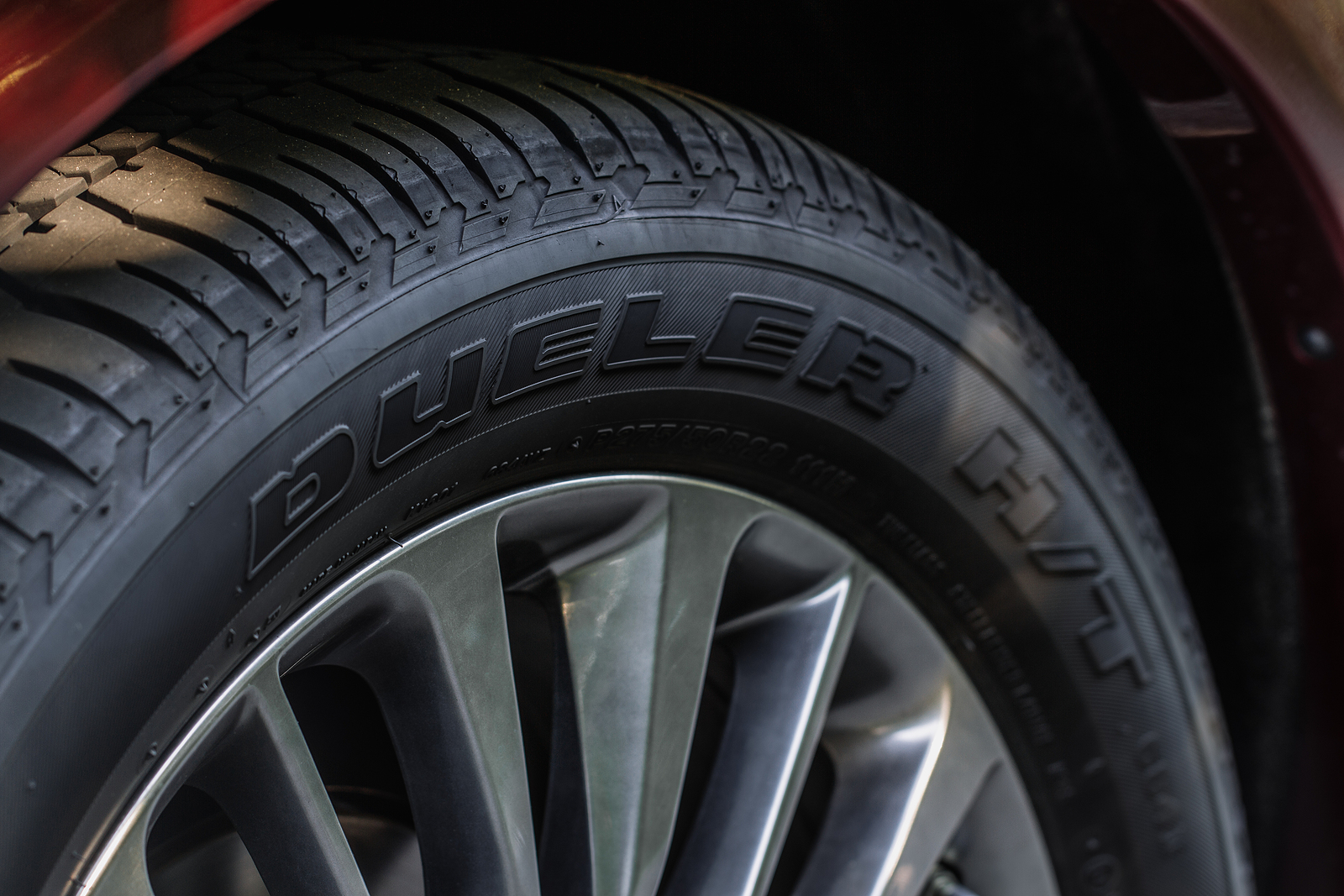
Lastly, trucks require more frequent tire inflation. Tire inflation is important, and necessary, for trucks because they carry cargo. Tires should be evenly and properly inflated to safely haul cargoes. If tires are not adequately inflated, tire blow outs can occur, causing truck accidents and collisions.

Are you looking for a skilled automotive mechanic who can get your truck in and out of the shop, fast? Contact Northeast Auto Service at 317-475-1846 for professional scheduled truck maintenance in Indianapolis, Indiana. Request a free estimate, or schedule service, today.

Related Posts:

The Most Common Tire Brands for Cars and Trucks
General Auto Electrical Repair for Cars and Trucks
Recommended Car Maintenance Schedule

Are Bigger Tires More Fuel Efficient?

With the ever-inflating gas prices today, anyone who has to drive a car is looking for ways to save on fuel. For many generations, it has been suggested that larger tires promote improved fuel efficiency; but is this true? Continue reading to learn the truth about the link between tires and gas mileage, plus what you can do to save a few bucks this year when fueling up Regardless of the size of your car tires.

Indianapolis Car Maintenance and Repair 317-475-1846

Tire Diameter Can Affect Fuel Consumption

According to many professionals in the automotive manufacturing industry, tire diameter does have an effect on how a vehicle uses fuel. After all, any change in tire diameter will impact several factors of the vehicle’s performance, from braking and acceleration to traction control, maneuvering, and of course, fuel economy. In fact, it is suggested that a car can experience up to 25% loss or gain in terms of fuel economy depending on the type and condition of the tires.

Although there are several factors that can influence such fluctuations in fuel efficiency, these four factors seem to have the most impact:

► VEHICLE WEIGHT
► TORQUE CURVE
► GEARING
► AERODYNAMICS

Tire and Engine Revolutions Per Minute (RPM)

Industry experts also suggest that larger tires make more contact with the road per tire revolution. As a result of this increased contact, the car uses less gearing power in the engine runs at lower revolutions per minute. This promotes increased fuel economy because the car is using less gasoline to travel the same distance. Many drivers insist that taller tires can also promote better fuel efficiency due to improved wind resistance.

However, keep in mind that this notion of tire diameter and fuel economy coinciding with one another is not universal across the board with all make and model vehicles. It is important to consult with your trusted automotive mechanic in Indianapolis to ensure that your tires are in good condition and compatible with your driving objectives.

More Tips on How to Improve Gas Mileage:

► Stay current all factory scheduled car maintenance.
► Maintain proper tire inflation and tire pressure.
► Take heavy items out of your trunk or backseat.
► Avoid idling for extended periods of time.
► Practice smooth inpatient driving.
► Use the proper fluids and fuel for your make and model vehicle.
► Start a carpool club.
► Use public transportation more often.
► Repair any mechanical problems with your car right away.

Are you looking for a trusted mechanic in Indy who can help you tune up your car and save more on fuel? Contact Northeast Auto Service at 317-475-1846 for professional automotive service and repair in Indianapolis, Indiana. Request a free estimate, or schedule service, today.

Related Posts:

4 Ways to Get Better Gas Mileage
Do Manual Cars Get Better Fuel Mileage Than Automatics?
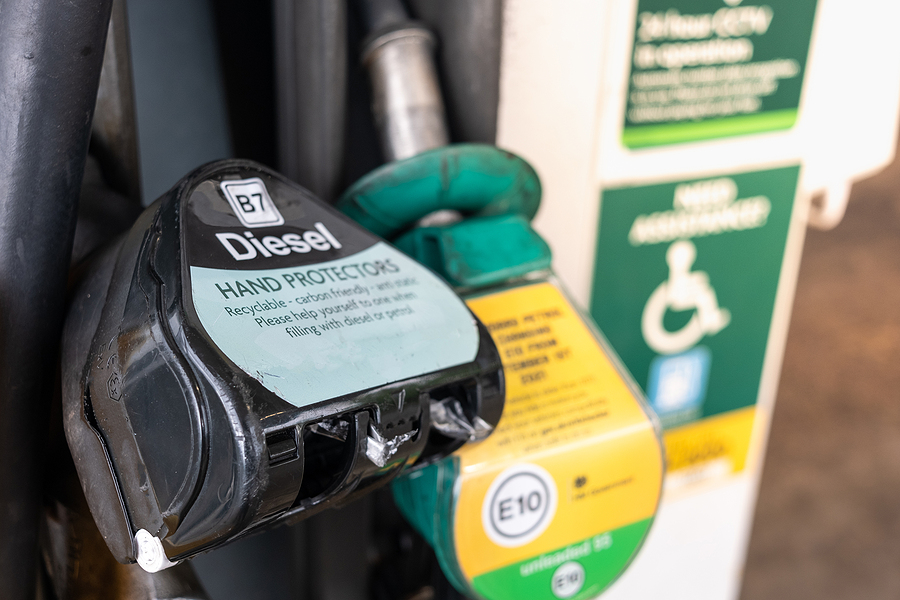
What Happens if You Put the Wrong Type of Fuel in a Car?
Frequently Asked Questions About Gas Caps

Indianapolis Auto Mechanic
Indianapolis Auto Mechanics 317-475-1846

Check These Five Automotive Fluids Regularly

Winter is still going strong, but the time of year makes no difference when it comes to car maintenance. There are many tasks to stay on top of if you wish to keep your vehicle in optimal condition, year-round. Checking on your automotive fluid levels is one of these vital car maintenance priorities.

Continue reading to learn the 5 car fluids you should check on regularly, plus where to take your vehicle for dealership-level car maintenance at neighborhood prices in Indianapolis.

Auto Service Car Maintenance Indianapolis IN 317-475-1846

Important Car Fluids

The total number of fluids in a vehicle really depends on the type, make, and model. However, virtually all automobiles require 7 to 8 design-specific fluids for optimal performance and longevity. These include fluids for the engine, brakes, transmission, radiator, power steering, battery, differential, and windshield.

The most important automotive fluids you should be checking on a regular basis, especially during the winter and summer months when the temperatures are more extreme, include the motor oil, transmission fluid, radiator fluid, brake fluid, and power steering fluid. You can refer to your vehicle’s owners’ manual for instructions on how to check each automotive fluid level.

Motor Oil

Also referred to as engine oil, your motor oil levels matter every time you turn the ignition. Engine oil is designed to lubricate the internal engine structure, thus abating friction and heat generation, which can be damaging to the engine and other automotive parts. Check your motor oil levels biweekly or monthly, depending on how often and how far you drive. Always be sure to let your engine cool completely before pulling out the oil dipstick. Get your oil changed every 3,000 to 5,000 miles, or according to your vehicle’s manufacturer’s instructions.

Radiator Fluid

Also called coolant or antifreeze, radiator fluid is responsible for regulating internal temperatures. It prevents a car engine from overheating. Coolant becomes contaminated with rust and other pollutants overtime, making it necessary to check and replace on a regular basis. Improper coolant levels or dirty radiator fluid can cause an engine to overheat, damage other internal engine components, and pose several safety risks to drivers and passengers of the vehicle.

Transmission Fluid

Automatic transmission vehicles require transmission fluid to keep the gears shifting properly. Like motor oil is a lubricant for the engine, transmission fluid acts in a similar way for the gears. Check the transmission fluid as often as you check the motor oil. Not only should you have enough fluid, but it should also be clean. Transmission fluid does degrade over time, and as a result can change colors or appear dark and dirty. Dark or black transmission fluid is dirty and requires replacing should be replaced as soon as possible.

Brake Fluid

Your vehicle’s brakes are arguably one of most important safety components.  after all, they allow you to stop your 5,000 pound car when it’s moving at 60 miles an hour! Brake fluid is an essential automotive fluid because it supports the performance of your car’s braking system. If you’re brake fluid is low or poor in quality, it can affect how well your car responds to brake pressure. You should have your brake fluid checked on an annual basis, or more often if you’re experiencing any type of automotive leak.

Power Steering

Today, most vehicles are designed with power steering, and therefore, require power steering fluid. Without sufficient levels of clean, quality power steering fluid, the steering wheel will become more difficult to maneuver, and eventually will hardly be movable at all. Power steering fluid should be checked every year or two years, depending on how often you drive and the age of the vehicle.

TIPS FOR CHECKING AUTOMOTIVE FLUIDS:

↪ Refer to your owner’s manual for instructions on how to check and replace the fluids in your vehicle.

↪ Aside from a transmission fluid check, your car should be turned off and the engine should be completely cooled down before you check any automotive fluid levels.

↪ Be sure your car is parked on an even and level surface for accurate readings.

↪ Choose top quality automotive fluids that are specifically designed for the intended application.

↪ Spotting a small puddle of liquid beneath or in front of your car can be an indication of an automotive leak. Have this inspected by a licensed mechanic as soon as possible.

↪ Never forget about refilling your windshield wiper fluid. It’s very frustrating to run out when you need it most! It can also prevent traffic accidents and roadside emergencies!

↪ Overall, you should check all automotive fluids at least every month to ensure that levels are adequate, and liquids are clean.

Are you looking for a professional auto shop to provide routine car maintenance for your vehicle in place? Contact Northeast Auto Service at 317-475-1846 for ASE licensed auto service and car maintenance in Indianapolis, Indiana. Ask us about our auto repair and service promotions!

Related Posts:

When Should I Change the Oil in My Vehicle?
Common Types of Car Brake Fluid
A Simple Guide to Flushing a Car Radiator
How Often Should I Bleed My Car Brakes?

Indianapolis Auto Repair and Service
Indianapolis Auto Repair and Service 317-475-1846

What is a Fuel Conditioner and Should I Use One?

When you go to the gas station and fill up your tank, you can’t really be sure of the fuel quality. Not all diesel and gasoline are created equal in the automotive fueling world, which is why it can be beneficial to add a fuel conditioner to your car or truck’s routine maintenance plan. Low-quality fuel can reduce the performance and efficiency of your vehicle, plus cause serious damage to the engine overtime.

Continue reading to learn more about fuel conditioners, including what they are, what they do, and whether you need one or not.

Engine Repair Indianapolis IN 317-475-1846

Poor Quality Fuel is a Problem

The combination of government mandates and crude oil refining processes can really throw off fuel quality consistency. What’s the problem with lower quality fuel? Well, poor quality fuel contains harmful elements that can cause significant internal damages to the engine during the combustion process.

As a result of this disrupted fuel combustion, residues can accumulate, which may lead to harmful build up within important engine components, like filters, fuel injectors, and more. Not only does this cause performance and fuel efficiency issues with your vehicle, but it can also cause costly, irreversible damage to the motor.

Fuel Conditioners for Diesel and Gasoline Powered Vehicles

A fuel conditioner is an automotive product that can be added to your vehicle’s fuel tank to safeguard against the downfalls of poor quality gas or diesel fuel. They are designed to supplement diesel and gasoline with the necessary constituents that support everything from fuel efficiency to prolonged engine life.

Not only do fuel conditioners support longer engine life and better gas mileage, but they also reduce harmful exhaust emissions, increase engine performance, protect against winter gelling, and improves engine turn over time. They can also effectively increase cetane ratings and cold weather stability.

Do You Need a Fuel Conditioner?

Not sure if a fuel conditioner is something you need to add to your current car care program? Well, consider your driving mileage. If you drive daily, especially long distances, it would be very beneficial to use a fuel conditioner. Remember, you are protecting your engine, one of the most vital, and therefore expensive, auto parts in your vehicle. A fuel conditioner can ensure that your car or truck is using fuel efficiently and in a stable manner. They are recommended for 2-stroke and 4-stroke engines.

You can purchase a quality brand fuel conditioner at any local department store or auto parts store. They are reasonably priced and easy to use. Add your fuel conditioner every time you fill up at the station. Simply follow manufacturers’ instructions on how to administer it to your fuel tank.

Are you having problems with your car engine? Contact Northeast Auto Service at 317-475-1846 for professional engine repair service in Indianapolis, Indiana at a price you can afford. We work on all make and model vehicles.

Related Posts:

3 Options for Homemade Engine Degreaser
Fascinating Facts About Ethanol Car Engines
Simple Instructions for Engine Cleaning and Detailing

Indianapolis Auto Repair and Service
Indianapolis Auto Repair and Service 317-475-1846

The Most Common Tire Brands for Cars and Trucks

Any automotive expert will tell you how important it is to have dependable tires on your vehicle.  Good tires provide quality performance over a long period of time.  They significantly affect the handling and fuel economy of a vehicle and ensure a safer drive in all kinds of weather conditions.  Whether its all-season tires, snow tires, or summer tires; be sure to understand the differences between brands to match the right set of tires to your specific needs and budget.

Continue reading to learn some interesting facts about some of the more popular tire brands on the market today and remember these notes for the next time you need a new set of wheels for your vehicle!

Car Maintenance and Tire Service Indianapolis Indiana 317-475-1846

Top 3 Car Tire Brands and Their Features

Bridgestone

Bridgestone tires are a very popular tire brand used throughout the entire country. The Bridgestone brand is known for its high durability in all-season weather. These tires are manufactured with a specialized tread compound that maximizes rolling resistance, which in turn, improves fuel economy and saves you money when filling up! The resistance allows more energy to return to the tire and reduce heat generation. 

It is a wonderful and state-of-the-art feature. Bridgestone tires are well-known for their quiet ride, durability, dry performance, wet performance, and ride comfort as well. Their tire line includes summer tires, snow tires, all-season tires, and more. Bridgestone comes as a highly recommended tire brand. Dueler, Turanza, Ecopia, and Potenza are popular models of Bridgestone tires. 

Michelin

The Michelin brand tire engineers focused on safety, longevity, and performance when designing the Michelin tire lines. This brand is well-known for quality tires at an affordable cost.  They provide advanced braking technology, optimized fuel efficiency, superb handling, and better control. Popular Michelin tire choices include the Michelin Pilot®, Michelin Defender®, and Michelin Energy™ Saver A/S lines. They also offer snow tires, truck tires, all-weather tires, summer tires, and more!

Goodyear

Goodyear tires are another popular tire brand. Goodyear has been around for as long as the other tire manufacturers mentioned before. Since 1898, the Goodyear name has influenced the history of the tire industry and the technological advancements seen and used on the road today. There is no telling where Goodyear will take tire advancement next; but as for today, their teams of engineers, scientists, technicians, and other specialists are hard at work developing new technologies and innovations for the future of driving. 

Michelin offers a wide selection of quality tires for all seasons, vehicles, and uses. Some of the more admired tire brands include Goodyear Eagle®, Goodyear Assurance®, Goodyear Fortera®, Goodyear Wrangler®, and the Goodyear Ultra Grip® winter tire line. There are several other fantastic and high quality tires on the Goodyear line for all types of vehicles, from SUV’s to trucks, cars, and more.

Tires on the Same Axel Should Match

Tire manufacturers design the particular tread pattern on tires. The science behind tread patterns is that it is supposed to enhance traction, channel mud, water, and snow away, and more. These tread patterns, can however, create a condition known as “tread steer” which causes the grooves to catch areas of the road that are irregular. This is not an issue if both the front and rear tires have different tread patterns. It is only a problem is tires on the same axle have different tread patterns.

Are you in need of tire service in the Indy area? Contact Northeast Auto Service at 317-475-1846 for professional car maintenance in Indianapolis, Indiana at a price you can afford. We work on all make and model vehicles.

Related Posts:

How to Check Your Car Tires for Wear and Tear
Are Your Car Tires Over-Inflated?
When Should I Rotate and Balance My Car Tires?

Indianapolis Auto Repair and Service
Indianapolis Auto Repair and Service 317-475-1846

How to Diagnose a Weak Car Engine

When you first bought your car, you could feel its glorious power as you pressed the gas pedal. But now that your car has aged, it may feel like it has lost some of its former glory out on the road. It is possible for car engines to experience a level of decline, even in new vehicles. There are signs you can look for to better understand the condition of your car engine and determine if it needs professional attention.

Continue reading to learn how to diagnose a weakening or declining car engine and where to take your vehicle in for top-notch automotive tune-ups and repairs in Indianapolis.

Indianapolis Engine Repair and Service 317-475-1846

Signs That Your Car Engine is Losing Power

There are several reasons why your car engine might be losing power or performance value. Before the modernization of the fuel system, most vehicles were manufactured with carburetors and mechanical fuel pumps. Accordingly, engine power loss was easily diagnosed as a clogged filter or vapor lock. With today’s sophisticated exhaust and fuel system technologies, it can be more difficult pinpointing the underlying cause of a failing car engine.

Engine Power Loss Signs and What They Mean

To ensure you pick up on signs of engine trouble sooner rather than later, keep your eye out for some of the most common tell-tale signs. Whether you experience these scenarios every time you drive or intermittently, it is strongly encouraged to seek out professional auto service to inspect your vehicle for safety and performance issues.

Gas Pedal Inefficacy

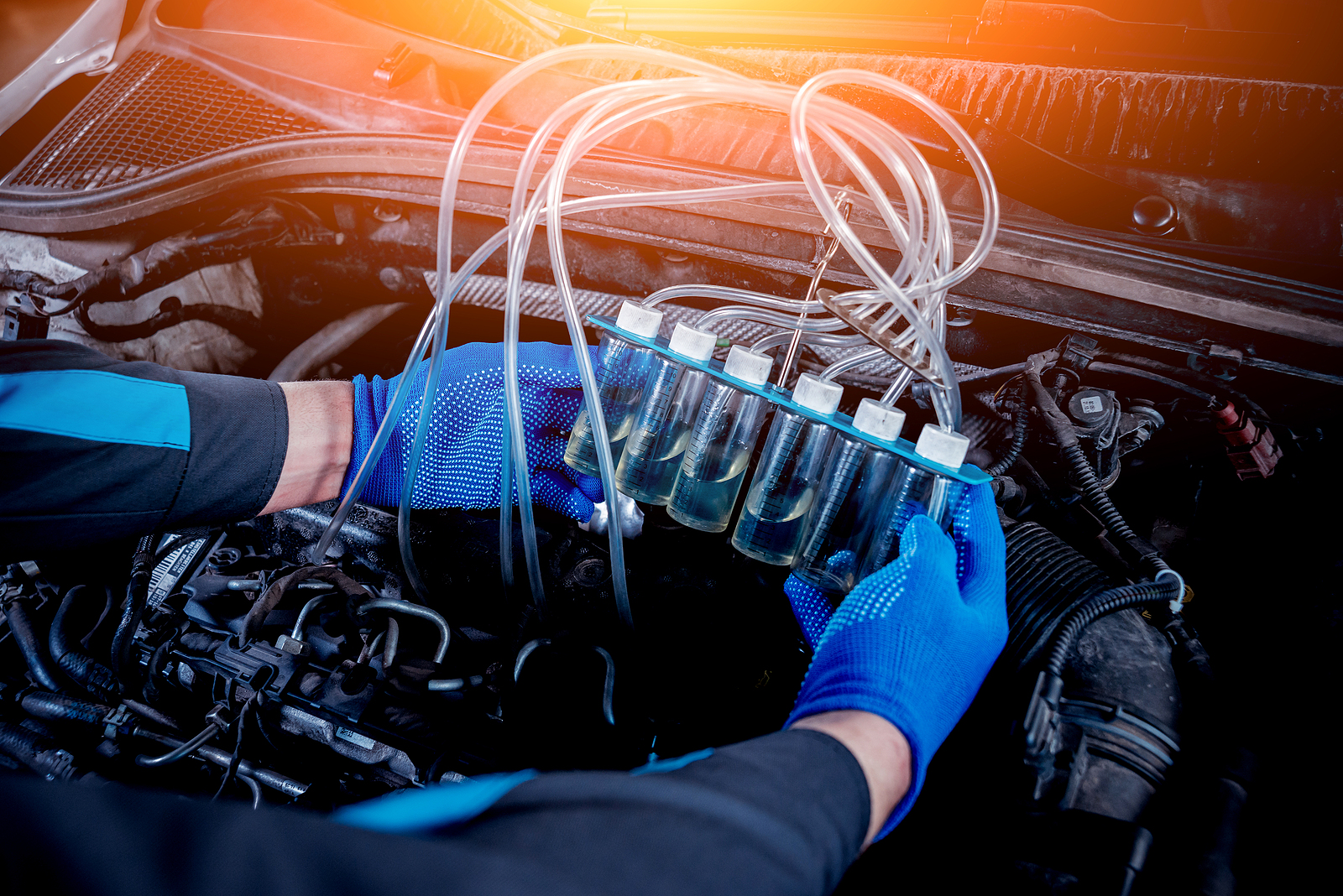
If you feel like your gas pedal is not responding at the same rate or in the same way as it used to, it could indicate an issue with your fuel system. The most common fuel system malfunctions are caused by a clogged fuel injector, fuel line leak, gunky fuel filter, or a faulty fuel pump.

Steering Wheel Movement

Does your steering wheel shake vigorously while your vehicle is in idle or coming to a rest? A trembling steering wheel is often a sign of engine power loss, and it typically happens as a result of your cylinders misfiring. What causes cylinders to misfire? Most commonly, spark loss, dropped compression, or imbalanced air-to-fuel ratios.

Poor Incline Performance

Do you notice that your vehicle begins to show signs of struggle as you drive up an incline? If your car slows down as it courses uphill even if you are pressing on the gas, it could be due to a number of underlying mechanical problems. But in most cases, cars that struggle on inclines have a clogged fuel filter. Fortunately, this is a quick an inexpensive repair.

Check Engine Light

If your Check Engine Light is illuminated on your dashboard, it be a warning that your engine is losing power. The underlying issue could be a faulty catalytic converter, mass airflow sensor, O2 sensor, or spark plug wires. Sometimes, the issue related to a defective positive crankcase ventilation valve (PCV), which is a part of the vehicle’s emissions control system.

Not sure what’s causing your car’s performance or efficiency issues? Contact Northeast Auto Service at 317-475-1846 for professional automotive maintenance service in Indianapolis, Indiana. We also offer a generous selection of automotive service and repair coupons, discounts, and deals!

Related Posts:

Why is My Car Engine Overheating?
3 Options for Homemade Engine Degreaser
Why is My Check Engine Light On?

Indianapolis Auto Repair and Service
Indianapolis Auto Repair and Service 317-475-1846

Why Did My Brake Warning Light Come On in My Car?

Although the check engine light is the usual suspect, your vehicle is equipped with all sorts of other indicator lamps and warning sensors. One such indicator lamp that can switch on when something’s off is your car’s brake warning light. Continue reading to learn more about brake warning lights, including why yours is illuminated and what you can do to resolve the underlying issue.

Car Brake Service Indianapolis IN 317-475-1846

Brake Warning Lights Versus Bulb Checks

have most vehicles come with one brake warning light on the dashboard, but other vehicles may have to break warning lights on the dashboard. When you first turned the ignition in your car, all life in your dashboard should flash as a test, also referred to as a bulb check, to ensure that the electrical system is operating properly. So, do not panic if you see the break warning light appear as you start your car.

Keep in mind that if the break warning light does not illuminate when you start your car, you could have a bulb out. In this case, you would simply need to bring your car into local Indianapolis automotive repairs shop to have the break warning light bulb replaced. However, if the break warning light remains illuminated as you drive, it is important to diagnose the issue.

Top 2 Causes for an Illuminated Car Brake Warning Light

So, why is your brake warning light on right now? Well, it could be due to a variety of brake-related reasons. However, the two primary reasons why brake warning lights come on have to do with the emergency brake and brake fluid pressure.

Emergency Brake – If the emergency brake is on in your vehicle, your car sensor system will illuminate the break warning light. All you have to do to resolve this problem is to turn your emergency brake off. However, if the brake illumination continues it could be due to brake fluid and pressure problems.

Brake Fluid and Pressure – If one half of your braking system loses pressure, your brake indicator lamp will switch on. Solving this issue is more complex than turning off the emergency brake. In most cases, you’ll need to bring your car into a licensed Indianapolis mechanic to have the issue diagnosed and resolved.

Car Brake Pressure Repair is an Automotive Emergency

If your car’s braking system is low on pressure, it is not safe to drive your vehicle. If you do drive your vehicle this condition, it is important to use the emergency brake when you do park the car. Brake pressure should be equal on both sides of your braking system, so if one side loses a bit of pressure, it can lead to hazardous driving conditions. Brake pressure loss typically occurs as a result of a leak in the system or low hydraulic fluid.

Anti-Lock Braking System Lights

Most modern-day vehicles are designed with anti-lock braking systems, which appears as a “ABS” on the dashboard. If your anti-lock braking system light illuminates on your car’s dashboard, it could mean that there is an underlying problem. When this happens, you are still safe to drive your vehicle, but your anti-lock braking will not work. It is still important to bring your car into a local Indianapolis auto shop to have it repaired.

Are you looking for a skilled and qualified mechanic to help you with your automotive brake maintenance and service needs? Contact Northeast Auto Service at 317-475-1846 for dealership-level car brake repair in Indianapolis, Indiana at economy-friendly prices. We offer coupons and discounts, year round!

Related Posts:

How to Inspect Your Car Brakes
The Types of Brakes in Cars and Trucks
3 Auto Care Services to Ensure Brake Performance and Longevity

Indianapolis Auto Repair and Service
Indianapolis Auto Repair and Service 317-475-1846

Frequently Asked Questions About Gas Caps

Typically, one does not ask questions about their gas caps until a gas cap has gone missing or begun to malfunction. If you are experiencing issues with your check engine light, fuel consumption rate, or fuel cap in general, continue reading to review some frequently asked questions about gas caps that may clear up your confusion and point you in the right direction.

Fuel System Service and Repair in Indianapolis IN
Fuel System Service and Repair in Indianapolis IN 317-475-1846

Fuel Cap FAQS

Can I Drive Without a Gas Cap?

Whether connected by a plastic tether or an old-fashioned manual screw-on, there are many reasons why a fuel cap goes missing. Regardless of why you no longer have a gas cap on your car, it is important to understand why you should not drive your vehicle until you have replaced the gas cap.

For starters, you can lose a nominal amount of gasoline to spillage and evaporation. Not only will fuel loss cost you a lot of money and waste your hard-earned paycheck, but what it will also allow moisture and organic debris inside of the gas tank, which can lead to fuel tank damages and costly repairs. It can also pollute the environment.

Furthermore, if you live in a state that requires vehicles to pass an emissions test prior to registration, not having a gas connected to your vehicle can affect this qualification.

Is it Expensive to Replace a Missing Fuel Cap?

If you are missing a fuel cap on your vehicle, the good news is they are inexpensive to replace. Additionally, the labor to install one is both easy and quick. In most cases, you simply attach it on yourself, so you avoid having to pay for labor. The cost of the gas will depend on the make and model of your vehicle, but on average you can expect to pay anywhere from $9 to $15. They come in 55 to 57 mm or 58 to 60 mm options, including the threads.

Can the Gas Cap Cause the Check Engine Light to Come On?

Yes, your fuel cap can cause the check engine light to come on. If the gas cap is not properly screwed on or connected, the vehicle’s computer system will detect this disconnect and trigger the check engine light to illuminate. This is more common in modern vehicles, as older cars may not have this type of automotive technology.

How Do I Know if My Gas Cap is Malfunctioning?

There are many signs to look out for when it comes to detecting a faulty gas cap. One of the first signs that indicate you have a problem with your gas cap is unexplained fuel loss or increased gas consumption. If you’re noticing that you’re going through your fuel much faster than before, it could be that your fuel Is loose or disconnected. Another common sign of a faulty gas cap is lingering gasoline smells. If you are detecting gasoline odors in your vehicle, it could be a sign that your fuel cap is not properly attached.

How Often Should I Replace My Fuel Cap?

Unless your gas cap goes missing, you don’t need to replace it anytime soon. Gas caps are designed to last 50,000 miles or more. So long as you are taking your car in for routine maintenance, you will be immediately notified if there’s ever an issue with your gas cap by your trusted Indianapolis auto mechanic.

Are you experiencing automotive issues that need a quick diagnosis? Contact Northeast Auto Service at 317-475-1846 for dealership-level car maintenance and repair services in Indianapolis, Indiana, but at neighborhood prices. Request a free estimate, today.

You Might Also Read:

How to Smell a Car Problem
Top 4 Reasons Why Your Car Won’t Start
5 Automotive Warning Lights You Need to Know

Indianapolis Auto Repair and Service
Indianapolis Auto Repair and Service 317-475-1846

Top Car Care Tips for Road Trips

If you are planning an Autumn road trip, you have the right idea in mind! The ambient weather and changing colors of the leaves and flora will make your long-distance car trip one to remember. But before you pack up the car and hit the road, it is important to ensure that your vehicle is travel-ready. After all, you do not want to face unanticipated delays and breakdowns a long the way.

Continue below to review some of the top car care and auto maintenance tips that will help prepare your vehicle for a safe and enjoyable road trip!

Car Inspections Indianapolis Indiana 317-475-1846

Avoid Road Trip Delays With Proper Car Care

According to the American Automobile Association (AAA), the majority of vehicles on the road today are more than 10 years old. If your travel vehicle is about this age, it is statistically more likely to break down. Whether you run into a dead battery issue and require a jump start or need a tow for a blown tire because you have no spare, long distance driving trips are known for unanticipated automotive malfunctions and setbacks just like these; but all of them are virtually 100% avoidable with the right preparation.

Top 3 road trip problems you can avoid with a qualified automotive pre-trip inspection:

Dead Car Batteries

One of the most frequent automotive problems experienced by long-distance road trip drivers is a dead car battery. There are many reasons why a car battery dies, but the most common cause is due to parasitic draw or drain, like accidentally leaving the interior cabin lights on all night. Other common causes of a dead car battery include problems with the alternator, starter, or electrical system.

Engine Malfunctions

Another reason why long-distance drivers run into automotive problems on a road trip is engine malfunctioning. There are many things that can go wrong within your vehicle’s engine, from gears and gaskets to belts, hoses, fans, and much more. If one of these components begins to malfunction or breaks down in any way, it can cause a problem with the engine.

Overheating car engines are common on long-distance road trips, especially during the warmer seasons. It is important to ensure that you always have an extra bottle of coolant, also referred to as radiator fluid or anti-freeze, in the trunk of your car in the case that your coolant gets low. Low coolant is the most common reason why engines overheat.

Tire Troubles

It is without a doubt that tire blowouts and flats are common automotive issues dealt with on long-distance trips. It is important to ensure that your tires are properly inflated prior to departing and routinely while traveling out on the road. Furthermore, not all cars, especially modern-day ones, come with spare tires, so you might want to consider purchasing a compatible spare if your vehicle does not already come equipped with one.

You never know when you might run over a nail or hit a pothole the wrong way. Having an extra tire on hand can get you back on the road in as little as 20 minutes so long as you have all the necessary tire changing tools. You can purchase emergency roadside kits at any local department store or through an online retailer. Such kids vary in size and quality, but for tire changing purposes you will need to make sure yours comes with a jack, torque wrench, reflective road triangles, flashlight, traffic vest, and other emergency roadside supplies.

How to Prepare Your Car for Road Trip Safety

The most effective and responsible approach to preparing your vehicle for a safe road trip is to bring it into your local Indianapolis mechanic. An ASE licensed automotive mechanic will know exactly what to inspect and what to look for when preparing for a road trip. Along with a comprehensive once-over inspection, they will make any proper adjustments and minor repairs to ensure your car is prepared for optimal efficiency and performance.

Are you ready to schedule your pre-trip car inspection with a trusted Indianapolis mechanic? Contact Northeast Auto Service at 317-475-1846 for ASE licensed and trained factory scheduled maintenance and car inspections in Indianapolis, Indiana. We work on all make and model vehicles!

You Should Also Read:

4 Automotive Hacks That Will Improve Driving Safety
Why is My Car Engine Overheating?
FAQS About Factory Scheduled Car Maintenance

Indianapolis Auto Repair and Service
Indianapolis Auto Repair and Service 317-475-1846

Here’s How to Tell if Your Transmission is Failing

Just because you own a car doesn’t mean you’re expected to be an expert mechanic. However, there are certain signs and symptoms you can keep an eye out for that may indicate a specific problem within your vehicle. Take your Transmission for example. Continue reading to learn the most common signs of failing transmission, and where to go in Indianapolis for superior automotive repair and service you can trust.

Indianapolis Transmission Repair 317-475-1846

Common Problems Related to a Failing Transmission

There are many signs and symptoms that indicate a faulty or defective transmission, from whining, clunking, humming to slipping gears, dragging clutch, grinding, shaking, and more. However, the most common and detectable indications that your transmission is failing include burning smells, gear slipping issues, fluid leaks, and an illuminated check engine light.

Burn Smells

Do you smell something burning when you drive your car? This could be the transmission fluid burning up, which also means your transmission is overheating. So, if this is happening to you, it is likely due to low transmission fluid levels or very dirty transmission fluid content.

Gear Problems

If your car is refusing to go into gear, slipping gears, or a combination of both, you can safely assume it has to do with the problem within your transmission. If your cars refusing to go into gear, the most common causes are low or thickened transmission fluid, or because your shift cables or clutch linkage needs readjusting.

Fluid Leaks

Your transmission fluid plays a vital role in the overall operation and safety of your vehicle. As mentioned earlier, if you transmission fluids are low, your car will begin to show signs of trouble. If you have a leak in your transmission, then it is not capable of maintaining the proper fluid levels required to properly lubricate the inner workings of your transmission and engine. So, if you notice puddles of liquid underneath your car after it’s been sitting for a while, it could be a transmission leak.

Illuminated Check Engine Light

You can think you are check engine light for a number of warnings. On the other hand, it can be quite frustrating trying to figure out why your check engine light is on since there are so many reasons it could be. But if your check engine light does come on, it could very well be your transmission. Be sure to take it into an automotive mechanic to have it diagnosed before any further damages done to your vehicle.

Are you looking for an expert automotive mechanic for reliable auto repair and service? Contact Northeast Auto Service at 317-475-1846 for professional auto repair service in Indianapolis, Indiana at a price you can afford. We work on all make and model vehicles.

You Should Also Like:

Frequently Asked Questions About Car Transmissions
Top Options for Transmission Repair and Replacement
What Does Transmission Fluid Do?

Indianapolis Auto Repair and Service
Indianapolis Auto Repair and Service 317-475-1846