The Process of Automotive Catalytic Conversion

Did you know that your car’s catalytic converter is made from a highly valuable precious metal, platinum? But that’s not the only attribute that makes this automotive component so valuable. When it comes to vehicular safety and performance, a catalytic converter is more of a precious asset rather than a precious metal.

Continue reading to learn more about catalytic converters, including how they work.

Indianapolis Auto Repair and Service 317-475-1846

Harmful Automotive Emissions

Vehicles use fuel, usually gasoline or diesel, to operate. These fuel sources are made from petroleum, and contain more than 150 different chemicals, including hydrocarbons and additives. When burned in the engine of a car, they create harmful gases and emissions that are threatening to our environment, and planet as a whole. These include carbon monoxide, which is a highly poisonous gas, as well as volatile organic compounds (VOC’s), and nitrogen oxides (which cause smog).

History of Catalytic Converters

Catalytic converters weren’t always an automotive standard. In fact, they weren’t made a standard in the automotive manufacturing industry until 1975, after laws changed regarding cars and air pollution. Today, catalytic converters are on all automotive assembly lines, as they play a vital role in meeting national emissions control standards since many states actively govern the amount of emissions permitted for a car to be registered.

How Do They Work

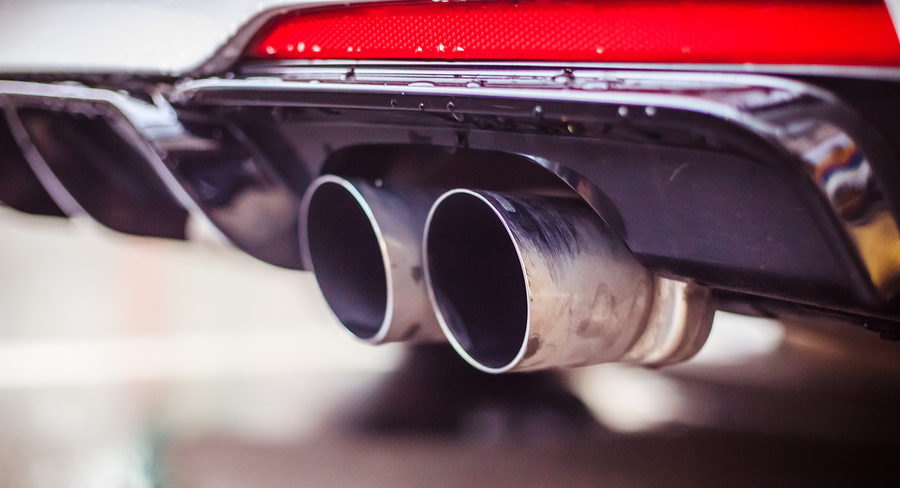
Catalytic converters are exhaust emission control devices that serve the sole purpose of transforming harmful emissions produced by a car engine, into less harmful pollutants. They “convert” toxic gases and pollutants before they leave a car’s exhaust system by using two types of catalysts. A catalyst is a chemical that causes a particular chemical reaction to speed up without itself changing in the process. In the case of a catalytic converter, the chemical reaction to speed up is the removal of the harmful emissions.

As mentioned, catalytic converters are made primarily from platinum, but they can also contain palladium or rhodium. These metals make up the two catalysts used to convert harmful gases and emissions produce by the engine. The first catalyst uses a chemical process called reduction, which just means oxygen removal, to attack nitrogen oxide pollution. It does this by breaking down the nitrogen oxides into nitrogen and oxygen gases, which are less harmful.

The second catalyst uses an opposite chemical process called oxidation, which adds oxygen, thus turning carbon monoxide into carbon dioxide. Although two catalysts are used to make safe conversions, there are actually three chemical processes going on to accomplish the entire job. The third is another type of oxidation that turns unburned hydrocarbons in the exhaust into water and carbon dioxide.

Two-Way and Three-Way Converters

Some cars will have two-way catalytic converters, which use the first two chemical processes of reduction and oxidation. Then there are other vehicles that have a three-way catalytic converter, which means they use all three chemical processes to change harmful gases and emissions into less harmful ones.

Catalytic Converter Maintenance and Repair

The responsibility of ensuring your catalytic converter is in optimal condition at all times is a vital one. Be sure you are taking good care of your vehicle, and taking it in for regular inspections and factory scheduled maintenance. Refer to your owners’ manual for instructions on your vehicle’s recommended maintenance schedule. Talk to a trusted Indianapolis auto mechanic about your questions and concerns.

Affordable Indianapolis Auto Service You Can Trust

Call Northeast Auto Service at 317-475-1846 for the best prices on professional auto services in Indianapolis, Indiana. We’re ASE certified car mechanics who provide a wide range of car repairs and scheduled maintenance services for both foreign and domestic vehicles. We also provide several amenities, such as free written estimates, flexible drop off and pickup hours, and more.

FAQS About Auto Service and Maintenance

Do you want to know the secret to making your vehicle last a really long time? It’s proper auto maintenance and care, and it’s not really a secret at all. In order to get your vehicle to last you for years, and run in good condition, you must be serious about routine auto maintenance and proper auto care. Not only can you increase your vehicle’s lifespan, you can protect yourself from costly breakdowns and huge repair bills.

Continue reading to review some frequently asked questions about auto care, and perhaps learn a little more about what it takes to protect and preserve your vehicle.

ASE Certified Automotive Mechanics
ASE Certified Automotive Mechanics 317-475-1846

When Do I Change the Oil in My Car?

Several factors will influence the length of intervals between oil changes and other factory scheduled maintenance. These factors can include the region you live in, the type of car you drive, the type of fuel it uses, your driving habits, its total number of miles, its overall condition, and more. It is best to consult your owners’ manual or a licensed mechanic for specific recommendations. However, the standard “rule of thumb” is to change your oil every 3,000 or every 6 months, whichever comes first.

What Fluids Do I Put in My Car?

There are seven vital fluids that every vehicle requires for safe and optimal performance. These include windshield wiper fluid, coolant, motor oil, transmission fluid, brake fluid, battery fluid, and power steering fluid. They all require periodic flushes and refills, and most need to be done by a trained mechanic. You should be able to add your own coolant and windshield wiper fluid, hassle-free.

How Do I Check Car Tire Inflation?

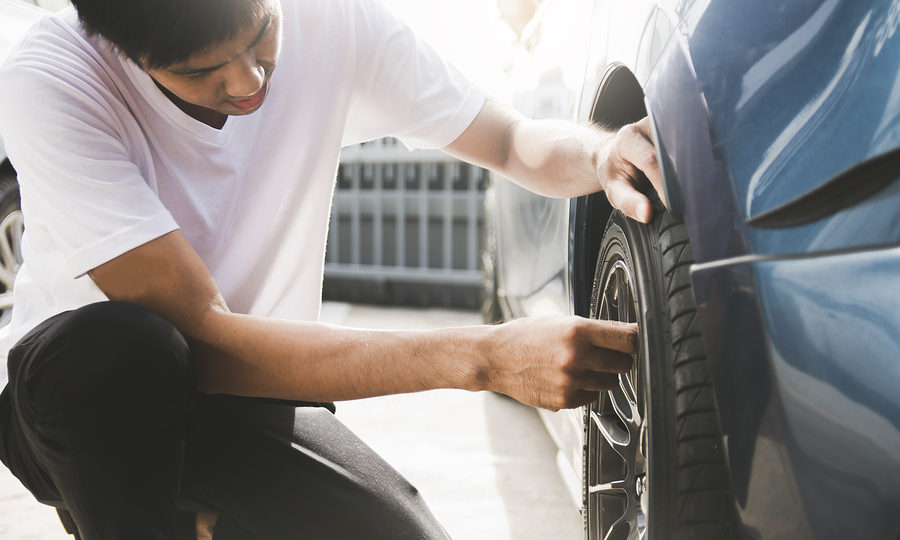
In vehicles equipped with TPMS, a light will illuminate on the dashboard to indicate unsafe tire pressure detection. This light will remain on until the air pressure imbalance is resolved. Those without a modern tire pressure monitoring system in their vehicle are left to use manual tire gauges to measure tire pressure. You can choose between a digital gauge or a “pop-out” style gauge. In order to use a tire pressure gauge properly, be sure to begin on a “cold” car that has not been driven in the past few hours. Then just refer to the manufacturer instructions for a step-by-step guide on how to use your tire pressure gauge.

How Do I Check Tire Tread on My Car?

Use the penny test to measure your car’s tire tread. What is commonly referred to as the “penny test” in the automotive service industry, is a simple and effective method of assessing a tire’s tread. And you really only need a penny to do it. Once you have your penny in hand, insert it into the groove of your tire. If you can see Lincoln’s head, it means the tread is low and it is time to replace your vehicle’s tires. It’s that easy!

Which Side is My Gas Tank On?

If you want to prevent the onset panic of pulling up to a gas pump and being unsure of which side your fuel tank is on, simply look at the gas pump icon on your dashboard. Near the fuel gauge or icon, you will see a small arrow, usually without a handle, like these “ƒ„.” Whichever side the point is facing is the side your fuel tank door is on.

Where is My Car’s Maintenance Schedule?

the first place to look for your vehicle service maintenance schedule is the owner’s manual. Generally, this comes with the paperwork when you purchase your car. In most of the time it’s located in the glove compartment, but it can also be located in the trunk, under a seat, or in a pouch behind a seat. If you didn’t purchase a car brand-new, the manual is usually in the glove compartment. If it’s not there, and it’s not anywhere else, download a generic vehicular maintenance schedule online or visit a bookstore or library’s automotive section. You may also be able to visit your local auto repair shop and get free information regarding your vehicles service maintenance schedule.

Do I Need to Use a Certified Car Mechanic?

You never want to use an unlicensed or unofficial car mechanic when you need work on your car. Additionally, you do not want to blindly choose a mechanic either. The best decision you can make to ensure accuracy, effectiveness, and warranty-standards is to take your car to a skilled, ASE-certified automotive mechanic. See our blog, “Why is it Important to Use an ASE Certified Car Mechanic?” to learn more about the importance of finding skilled car repair work.

Where Can I Get Trusted Indianapolis Auto Repair Service?

Call Northeast Auto Service at 317-475-1846 for professional Indianapolis auto repair and service you can trust. We have been helping Hoosiers repair and maintenance their vehicles for over 20 years, while offering affordable prices and reliable work. You can schedule a free inspection and estimate, anytime! We can even assist with tows! Don’t forget to mention one of our auto repair coupons or discounts to get the best deal in town.

A Common Myth About Repairing Cars Under Warranty

Many drivers innocently assume that a new vehicle under warranty can only be serviced by its dealership, and that taking their new vehicle to an independent auto shop will cause their factory warranty to be void. But this is a common misconception and simply untrue. In fact, there are laws in place that protect vehicle owners from this type of penalty.

Continue reading to learn the truth about servicing vehicles under warranty, and be better informed of your options for routine maintenance and repair.

Indianapolis Auto Repair and Service 317-475-1846

The Magnuson-Moss Warranty Act

There is a federal statute called the Magnuson-Moss Warranty Act is a law that governs warranties on consumer products. This law came into effect in 1975 after a widespread misuse of warranties and disclaimers by merchants, and is still enforced to this day by the Federal Trade Commission (FTC). The statute gets its name from the two Democrats it was sponsored by, Senator Warren G. Magnuson of Washington and U.S. Representative John E. Moss of California, as well as co-sponsor Sen. Frank Moss of Utah.

In the case of new cars, this statute prohibits manufacturers from voiding a vehicle warranty and car dealers from denying warranty coverage, if the vehicle was service or repaired by a non-dealer. So if a consumer has an independent automotive repair shop service their vehicle while under warranty, their warranty cannot be voided as long as the mechanics adhered to the vehicle’s factory recommendations and requirements. This also applies to vehicle owners who opt for a recycled or aftermarket car part.

Vehicle Maintenance and Repair

Automotive repairs are broad ranged, and can include anything from collision damages and cosmetic repairs, to simple part replacements, factory maintenance, and more. As for factory scheduled maintenance, these services generally include inspections, oil changes, fluid checks and refills, tire rotation and balances, brake inspection and service, alignments, flushes, tune-ups, and much more.

If you have questions about your vehicle’s warranty, contact your dealer to discuss the conditions of your warranty, including its limitations and privileges. You may also contact your local automotive repair specialist for information about factory scheduled maintenance and repair for vehicles under warranty. You may also refer to your owners’ manual to review the factory recommendations and requirements for your vehicle make and model.

Affordable Indianapolis Auto Service and Repair

Call Northeast Auto Service at 317-475-1846 for professional Indianapolis auto repair and service you can trust. We have been helping Hoosiers repair and maintenance their vehicles for over 20 years, while offering affordable prices and reliable work. You can schedule a free inspection and estimate, anytime! We can even assist with tows! Don’t forget to mention one of our Indianapolis car repair coupons or discounts to get the best deal in town.

When Should I Rotate and Balance My Car Tires?

A car truck is a highly significant asset in a person’s life. Regular maintenance and care is vital in order to sustain proper overall performance and promote longer-lasting life. One component of every vehicle that requires routine care and maintenance is tires. They are several benefits to keeping up with you are car trucks tires; including safer driving, better handling on the road, increased gas mileage, and much more.

One way to achieve these advantages for your vehicle is to routinely rotate and balance your tires. A common question about rotating and balancing tires concerns how often it should be done. The answer to this question is fairly simple but very important. Tires require professional maintenance and inspection at least once every year.

Continue reading for more details about how often you should rotate and balance the tires on your car or truck.

Indianapolis Auto Mechanic
Indianapolis Auto Mechanic 317-475-1846

The Basics of Tire Rotation Service

Fortunately, rotating and balancing tires on any vehicle is one of the easiest maintenance requirements and tasks when it comes to automotive care. Although it’s one of the simplest, is also one of the most important and valuable. Rotating your tires involves rotating each tire to a new spot on a vehicle so they wear down and even fashion. Many people wrongly assume that entails rotating a tire on a car’s axle in a spinning motion.

The reason we want to rotate and balance our tires is so that they wear evenly as we drive. If we don’t, certain tires will wear down faster or slower than other tires. This can cause problems on the road in various ways. You see, your vehicle’s tires are inevitably going to deteriorate over time as we add on mileage. However, assisting this process in a way that protects your car is important. Also, front tires commonly wear out before back tires because that’s where the engine is located, and the engine is the heaviest component inside a vehicle. This is just another fact that should convince you more about the significance of tire rotation and balancing.

Recommended Tire Maintenance Schedule

When it comes to how often car or trucks tires should be rotated and balanced, your car owner’s manual should retain instructions and recommendations. The common practice is to have your vehicles tires serviced every time you get your oil changed. This is a good way to remember how often to have the service done. As for numbers, it’s typically said to have your tires serviced every six months or every 7,500 miles. Many people are known to wait longer until they reach their 10,000 mile marker to have their oil changed and the tires rotated and balanced. This is also okay, especially for people who don’t drive as often.

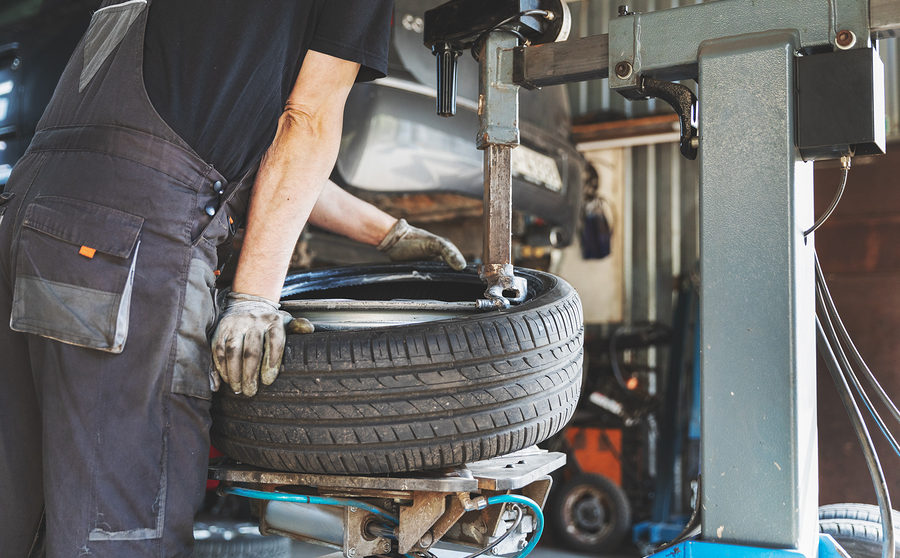
Tire balancing and tire rotation is not for the inexperienced. It’s very important that you outsource a professional automotive technician for proper vehicle maintenance and repair. Tire care, especially rotating and balancing, requires extensive automotive knowledge and experience; as well as various tools and complex equipment. Be sure your mechanic is licensed, experienced, and can provide a wide range of automotive services.

Licensed Indianapolis Auto Mechanics

Call Northeast Auto Service at 317-475-1846 for professional Indianapolis auto repair and service you can trust. We have been helping Hoosiers repair and maintenance their vehicles for over 20 years, while offering affordable prices and reliable work. You can schedule a free inspection and estimate, anytime! We can even assist with tows! Don’t forget to mention one of our auto repair coupons or discounts to get the best deal in town.

Do I Have to Repair a Check Engine Light?

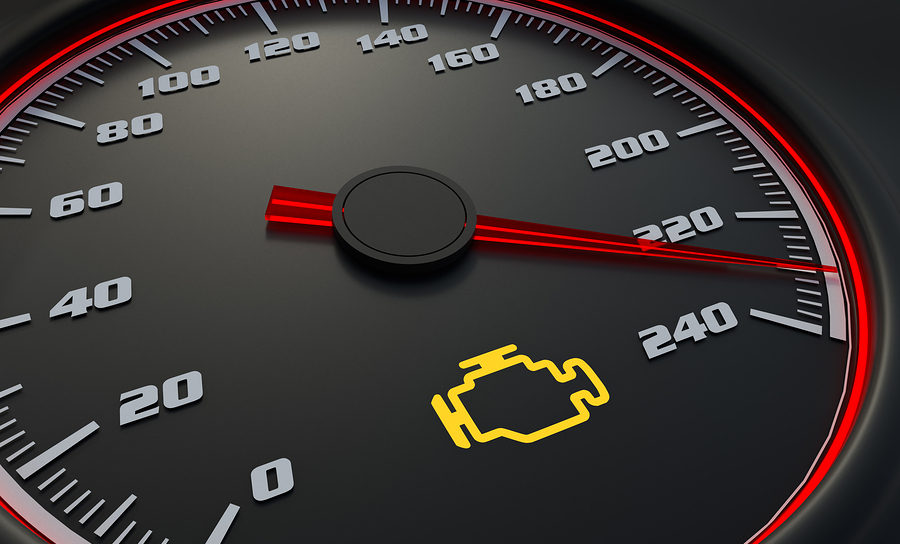
When that check engine light comes on, the panic starts to set in. “How much is this going to cost me?” is the only thought that runs through your head until you take your vehicle to a mechanic for an inspection. But while you wait for the diagnosis, there is no need to worry prematurely; not all check engine light warnings are serious. In fact, some are so minor, car owners ask themselves whether or not it’s even worth fixing. On the other hand, some are so easy to fix, you can manage it on your own, and at no cost.

If your check engine light is on, continue reading to learn why it might have illuminated and what your options are for repair.

Indianapolis Check Engine Light Repair
Indianapolis Check Engine Light Repair 317-475-1846

Check Engine Light Warnings

A check engine light is also referred to as a malfunctioning indicator lamp (MIL). They are designed to detect mechanical and electrical issues within a vehicle, and then illuminate upon detection. Once your check engine light comes on, your first step is to get a diagnostic reading. You can purchase a check engine light code reader online or at your local auto supply store, however, it is better to have it done by a trained mechanic who can help you understand the issue and your options for repair.

Minor Automotive Issues

Some of the most common causes for a check engine light to illuminate are somewhat minor problems. For example, a top cause is a loose or open gas cap. Simply forgetting to close your gas cap can cause your check engine light to illuminate, so be sure to always check this first before heading to your local auto shop. Another common cause for a check engine light to come on is low tire pressure. Not all vehicle’s are designed with a malfunctioning indicator lamp that will detect this issue, but most newer models do. Simply tend to your tire as needed, and the check engine light will turn off.

Moderate to Major Automotive Issues

The check engine light is also designed to detect more serious issues with your vehicle. If the minor causes are not applicable to your situation, it could be a moderate to major automotive issue. Some of the most common moderate to major issues detected by a malfunctioning indicator lamp include:

Your vehicle needs a new oxygen (o2) sensor.

Your vehicle needs a new mass airflow sensor (MAF).

Your vehicle needs new spark plugs or plug wires.

The catalytic converter is damaged or defective.

To Repair or Not to Repair

It is important to talk to your trusted Indianapolis mechanic for advice on car care and automotive repair. If your check engine light came on due to a minor issue, you won’t need auto repair service. However, if it came on due to something more serious, the issue must be repaired or corrected in order to safety and efficiency of your vehicle. Even if you feel that your car is operating just fine, you should still have it inspected, as some problems can start small and worsen, overtime.

Need an Auto Mechanic?

Call Northeast Auto Service at 317-475-1846 for professional Indianapolis check engine light services you can trust. Our ASE certified car mechanics provide a wide range of automotive services for all make and model vehicles, foreign and domestic. Schedule a free inspection and estimate, anytime. Don’t forget to ask us about our auto repair coupons and discounts!

4 Automotive Hacks That Will Improve Driving Safety

The weather is going to turn on us very quickly, as the last day of summer is quickly approaching. If you are a habitual driver, it is wise to take all the necessary precautions to ensure you are managing the road, safely. This priority is especially important for those who drive others around, such as children, elderly, or car pools.

Continue reading to learn 4 impressive car hacks that will instantly improve your level of safety on the road!

Indianapolis Auto Maintenance
Indianapolis Auto Maintenance 317-475-1846

Spray-On Rain Repellent

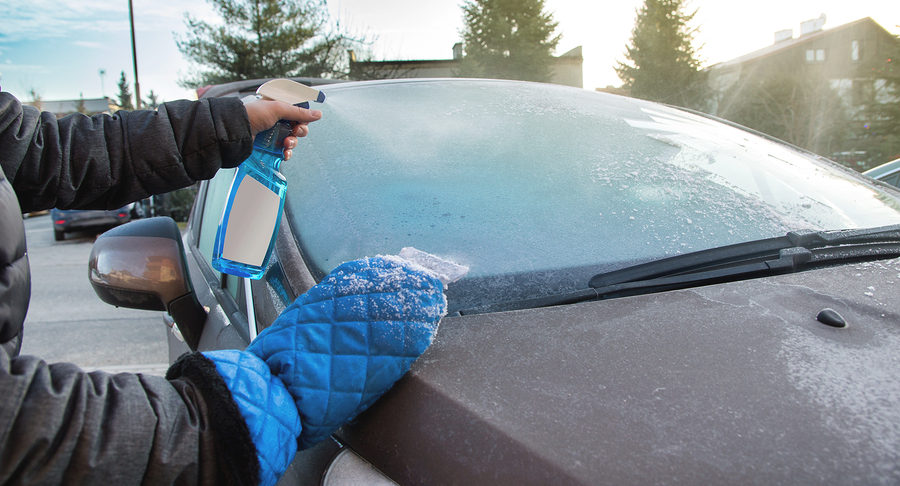
Although you have your windshield wipers and wiper fluid to rely on, it never hurts to have a backup plan when it comes to rain. One such hack is to use a spray-on rain resistant product. These products are perfectly safe for your car’s windshield, plus they are fairly priced and available at any local convenient store or automotive store. You can also order these products online. We Recommend Rain-X® 2-in-1 Glass Cleaner w/Rain Repellent, available at most department stores.

Tire Tread Penny Test

Almost all states have a mandatory minimum for tire tread depth. In Indiana, this tire tread depth minimum is 2/32 of an inch for passenger car tires. This is measured from the top of the tire tread indicator, down to the top of the tread. You can use a penny to test this because the lettering over Abe Lincoln’s head on a penny measures out to exactly 2/32 of an inch tall! Fascinating isn’t it? If you can see the letters, your tread is too low!

Toothpaste Headlight De-Fogging

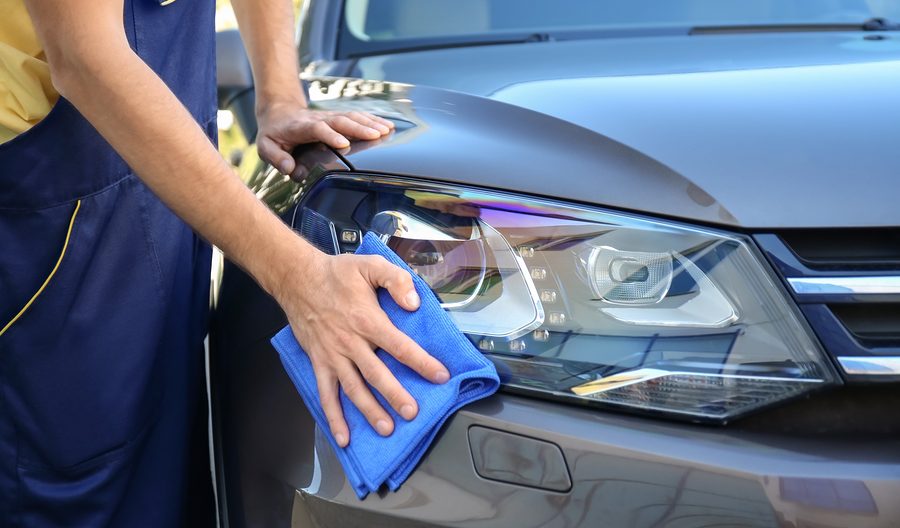
Headlight fogging is not just unpleasant to look at, it is also unsafe. But you don’t have to spend hundreds of dollars having your headlights replaced or restored, so long as you have an extra tube of toothpaste lying around! That’s right; by applying standard, baking soda-based toothpaste to your headlights with a microfiber towel can remove the oxidization in the plastic. If you don’t want to use toothpaste, opt for some baking soda and water instead.

Weatherproof Your Weatherstripping

Your rubber weather-stripping is important for interior insulation, but also for function. Unfortunately, it is prone to deterioration. To slow down the rate of rubber weatherstripping deterioration, and thus, having to replace your seals, try applying WD-40 once a month.

Indianapolis Auto Repair and Service

Call Northeast Auto Service at 317-475-1846 for professional Indianapolis auto repair and service you can trust. We have been helping Hoosiers repair and maintenance their vehicles for over 20 years, while offering affordable prices and reliable work. You can schedule a free inspection and estimate, anytime! We can even assist with tows! Don’t forget to mention one of our auto repair coupons or discounts to get the best deal in town.

How to Make Your Own Hanging Car Air Freshener

Hanging a new car air freshener on your rear-view mirror is a great feeling, and you get some pleasurable aroma therapy. But just as soon as you open your new scented ornament, the clock starts ticking down to the moment you need to replace it with a new one. Rather than continuing the cycle of tossing out old air fresheners and buying new ones, you can simply make your own with a few humble supplies. With your own car air freshener, all you have to do is reapply your fragrance to revitalize that pleasurable aroma therapy and fresh smell!

Continue reading to learn what you need to get started!

Indianapolis Auto Repair and Service 317-475-1846

What You Will Need:

✅ Thin Wooden Ornament of Your Choice Scented
✅ Essential Oil of Your Choice
✅ Small Glass Dish
✅ Small Paintbrush
✅ Small Sealable Plastic Bag (i.e. Ziplock®)
✅ Small Drill or a Thick Nail and Hammer
✅ Old Towel or Napkins
✅ Twine

Notes: When shopping at your local crafts section, opt for a wooden ornament that already has a string attached for hanging. Otherwise, you will need to also purchase some twine, and drill a hole (or hammer a hole) through the top of the ornament so that you may loop the twine string through the hole and create a hoop for hanging.

Trick: Rather than buying a new wooden ornament to fragrance, you can use an old car air fresher (like the tree-shaped ones) instead!

Instructions:

➀ After you make your hole and attach the twine for hanging, you are ready to take the next step in the process of making your own car air freshener! Here is what to do:

➁ Lay out an old towel or spread out some napkins for a safe work surface.

➂ Pour your essential oil into a small glass dish.

➃ Dip your paintbrush into the dish of essential oil and then “paint” the surface of the wooden ornament. Generously cover the entire top surface and the sides, then flip it over and paint the back side.

➄ Once you have painted all sides of the ornament, place it inside a re-sealable plastic bag and allow it to absorb all the oils overnight.

➅ The next day, hang your car air freshener in your vehicle and hit the road happy!

RE-APPLICATIONS: After a few weeks, you can freshen up your homemade car air freshener by simply dabbing it with a cotton swab with more essential oil. If you like, you can change up the scents, or combine them to create new ones

Indianapolis Car Maintenance and Care

Call Northeast Auto Service at 317-475-1846 for professional automotive service and repair in Indianapolis, Indiana. We’re ASE certified car mechanics who provide a wide range of auto repairs and maintenance for both foreign and domestic vehicles. We also provide several amenities, such as free written estimates, flexible drop off and pickup hours, and more.

ASE Certified Automotive Mechanics 317-475-1846

3 Options for Homemade Engine Degreaser

Engine degreasing involves removing the buildup of dirt, oil and grease inside a car engine compartment. Removing this accumulation is beneficial for several reasons. Not only does it make your car engine look brand new, it enhances performance and efficiency, which in turn, saves you money on fuel, repairs, replacements, and more. In fact, a cleaner engine runs cooler, which is better for all interior automotive systems.

Best of all, you do not have to spend your hard earned money on expensive engine cleaners to get the job done right. You can make your own engine degreasing solutions with a few common household ingredients. There are several recipes to choose from, so the one you choose will largely depend on what you have one hand and what you are comfortable applying to your vehicle.

Continue reading to learn the top three most recommended recipes for homemade engine degreaser, as well as, what to do if you are experiencing car engine troubles.

Engine Repair and Service
Engine Repair and Service 317-475-1846

❶ Sodium Carbonate Washing Soda

For this engine degreaser, you will need ¼ cup of sodium carbonate washing soda, also known as washing ash. You will also need one gallon of warm water. Simply combine the two ingredients until they are fully incorporated, then transfer it to a plastic spray bottle. Do not use baking soda (sodium bicarbonate) as a substitution because it will not clean as effectively.

❷ Kerosene Degreaser

This recipe may sound strange, but kerosene works well to remove grease and gunk from engines. For this engine degreasing solution, you will need kerosene, water, and liquid dish soap. Combine one part kerosene with four parts water, and then add a few drops of soap. Then transfer to a plastic spray bottle. Just be very careful working with and storing this solution, as kerosene is highly flammable.  

❸ Ammonia Degreaser

For this engine degreaser recipe, you will need to mix two parts ammonia, two parts water, and one part liquid dish soap into a plastic spray bottle. Be sure all ingredients are thoroughly combined. It is important to be very cautious when using this degreaser because ammonia is caustic and can harm the eyes, nose, throat, and mouth.

Using Your Engine Degreasing Solution

The first step to using your engine degreaser is to ensure your car engine is off and completely cooled. You will also need to don some protective gear, such as work gloves, safety goggles, and apron. Once your engine is cool and you are geared up, it is time to apply your solution with a stiff bristled scrubbing brush.

Start by generously coating the engine compartment with your degreaser. Let it to sit for a few minutes, then use your brush to scrub the solution in, one small section at a time. Do your best to avoid hoses and wiring, as strong cleaning chemicals can damage them if they are delicate. Finish by thoroughly rinsing your work areas with clean water, and then patting it all dry with a microfiber cloth.

Do You Have Car Engine Problems in Indianapolis?

Call Northeast Auto Service at 317-475-1846 for car engine service and repair in Indianapolis, Indiana. We are ASE licensed and certified car mechanics who provide a wide range of foreign and domestic auto repair services, as well as, free estimates, automotive service coupons, and more. Call 317-475-1846 to request a free estimate for Indianapolis auto repair, today.

ASE Certified Automotive Mechanics 317-475-1846

How to Quickly Cool Down the Inside of Your Car

This summer heat has many people avoiding the great outdoors at all costs. However, most of us have no choice but to commute around town for everyday life responsibilities, like work, school, kids, errands, and more. And in this heat, no one wants to deal with discomfort in the middle of a busy day, especially a sweltering car. After sitting in the heat, the interior temperature of a car can rise quickly, and even reach temperatures higher than the outside climate. Fortunately, there are some easy and effective methods you can rely on to cool down the inside of your car on a hot summer day.

Continue reading to learn what you can do to make yourself, your passengers, and your pets feel much more comfortable when hopping into the car in hot, humid weather.

Indianapolis Auto Repair and Service 317-475-1846

Consider Your Safety First

As mentioned, there are many ways to cool off the inside of a car on a hot day, most of which do not require any additional costs or major adjustments. The most important part about dealing with a hot car interior on a regular basis is to consider safety. You never want to put yourself, a child, or a pet inside of a hot car for any period of time; even just for a minute. If a car is very hot, allow it to cool down before entering. Also be sure to have clean, bottled water on hand to avoid dehydration and to help ease the discomfort of feeling hot in a car.

Here are Some Ways to Cool Down a Car as Fast as Possible:

☑ Use a Windshield Cover

Windshield covers are available at any local automotive store, department store, home improvements stores, and online. They are inexpensive and come in a wide range of colors, shapes, sizes, and level of quality. Choose one that works best for your windshield shape, and see how well it blocks out the sun during the day. Your car interior will be much cooler with this cover.

☑ Park in Shady Spots

By parking under a tree or in a large shadow, you instantly prevent your car from becoming as hot as it could be on a hot day. Use this habit, along with other methods, to get your car to a safe and comfortable temperature in no time at all.

☑ Roll Down Your Windows

As soon as you get to your car, open the doors and roll down all the windows. While you are implementing other strategies, this allows the hot air to escape and the wind to blow through the car. Allow the car to air out for a minute or two, or however long you can stand waiting. Then if you have it, proceed to turn on your air conditioning, but not to the max setting. See below.

☑ Turn On the Regular AC Mode

Turn on your air conditioning, but not to the max mode. You do not want to blast hot air from your vents. Instead, put your AC on low, and then after a minute or two, increase the speed of the fans. Once you have felt a cool down, turn your AC to your desired, default setting.

☑ Have Your Car Serviced

If you want to keep cool in your car this summer, be sure that your car’s air conditioning is prepared to perform at top efficiency. Routine car maintenance is the best precaution to take to avoid summer breakdowns. Not only will a mechanic ensure your AC is tuned and charged, they will be able to catch and reverse any small issues that might affect your air conditioning down the line. And this is important since no one wants to be left without air conditioning on a hot summer day!

Trusted Indianapolis Car Maintenance

Call Northeast Auto Service at 317-475-1846 for professional auto air conditioner service and repair in Indianapolis, Indiana. We’re ASE certified car mechanics who provide a wide range of auto repairs and maintenance for both foreign and domestic vehicles. We also provide several amenities, such as free written estimates, flexible drop off and pickup hours, and more.

ASE Certified Automotive Mechanics 317-475-1846

A Simple Guide to Flushing a Car Radiator

For radiators to be effective, they must stay cool. And in order to ensure this, they must be flushed on a routine basis, or at least once per year. In fact, car radiator flushing is one of the most important routine maintenance jobs and must be done to keep vehicles operational over time. Fortunately, it can be done on your own.  It’s also quick and inexpensive to do! 

Continue reading to review a quick guide to flushing a car radiator in the comfort of your own garage or driveway.

ASE Certified Radiator Flushes 317-475-1846
ASE Certified Car Radiator Flushes 317-475-1846

Gather Your Supplies First

The first thing to do when it comes to flushing a car radiator is gather up all the necessary supplies and materials. This includes a funnel, cloth rag, coolant, radiator flush solution, Phillips screwdriver or wrench, separate container for old coolant, and extra rags for accidents and spills. When you have determined that all your supplies are in place, you can begin the process of flushing the radiator. 

Step-By-Step Instructions:

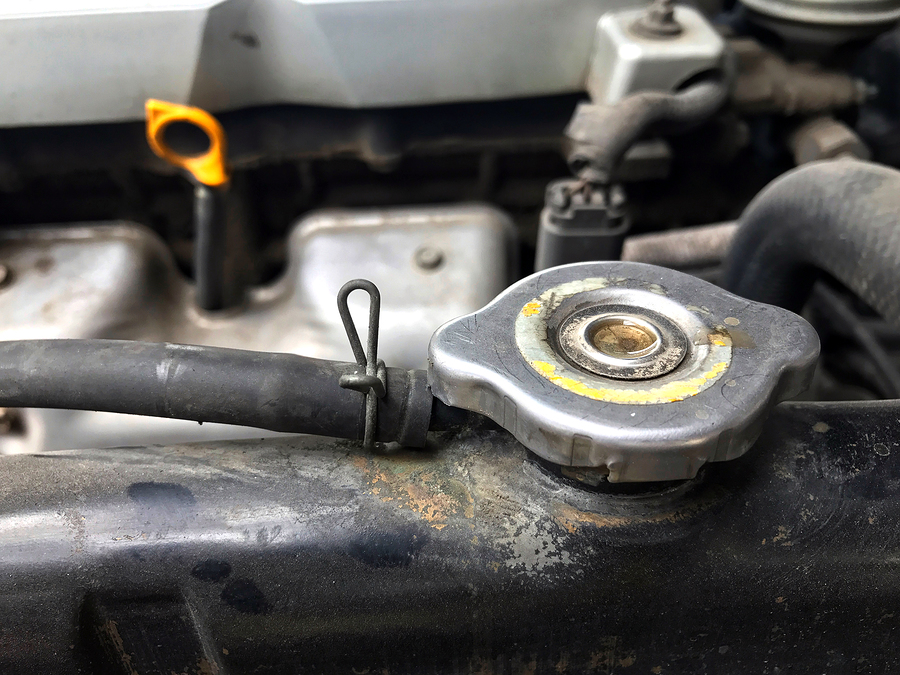
Before you remove the radiator cap, be sure the car engine is COMPLETELY cool; otherwise you run the risk of spilling hot coolant on yourself. Next, flush the used coolant out of the radiator. Do this by locating the radiator drain plug. It is typically located at the bottom of the radiator. If you have trouble finding it, refer to your owners’ manual or look online for pictures and instructional videos. You can also contact a professional mechanic for over-the-phone assistance.

Once you find the drain plug, place the container for old coolant under the drain and open it up. Let the old coolant flow out for a few minutes; if it seems to be moving slow, check to see if the plug is all the way open. When the radiator is empty, replace the drain plug and open the radiator cap. Next, pour the flush cleaning solution inside. Fill the remaining space inside the radiator with room temperature water.

Now you are ready to replace the radiator cap; just be sure it is screwed on tight.  It is possible for caps to fall off, which allows coolant to escape from the radiator.  Let the car engine run until it reaches its normal driving temperature.  Then turn it off and let it cool completely.

Once the car engine is cool again, you are ready to flush the solution from the radiator and add fresh clean coolant.  Use the same emptying process as before. Use a 50/50 solution of coolant and water to get optimal and safe results.  You can find premixed coolants at your local auto store.  This is sometimes more convenient. 

😳 Didn’t quite do the trick? Enlist a licensed mechanic for the job! Professional car radiator flushing is fast and affordable!

Indianapolis Car Radiator Service and Repair

Call Northeast Auto Service at 317-475-1846 for ASE certified automotive radiator service and repair in Indianapolis, Indiana. We provide comprehensive automotive service and repair for all make and model vehicles, as well as, free estimates, free advice, and auto repair coupons! Schedule an appointment for a free estimate, today!

ASE Certified Mechanics 317-475-1846
Indianapolis Auto Repair and Service 317-475-1846