A fuel leak is one of those car problems you can’t afford to ignore. Gasoline is highly flammable, and even a small leak near a spark or heat source can turn dangerous fast. Beyond the safety risk, leaking fuel harms the environment and drains money from your wallet with every mile you drive.
The good news? Fuel leaks usually give you plenty of warning. Catching the signs early can protect your safety, save you from expensive repairs, and keep your vehicle running the way it should.
Below, we’ll walk you through the telltale signs of a fuel leak, what causes them, and exactly what to do if you suspect one.
What Are the Signs of a Fuel Leak?
Your vehicle often tells you something is wrong before the problem gets serious. Here are the most common signs to watch for.
The Smell of Gasoline Around Your Vehicle
The scent of gasoline is one of the clearest indicators of a fuel leak. If you notice a strong fuel odor near your engine, exhaust, or anywhere around your car, don’t brush it off. That smell means fuel or fumes are escaping somewhere they shouldn’t be.
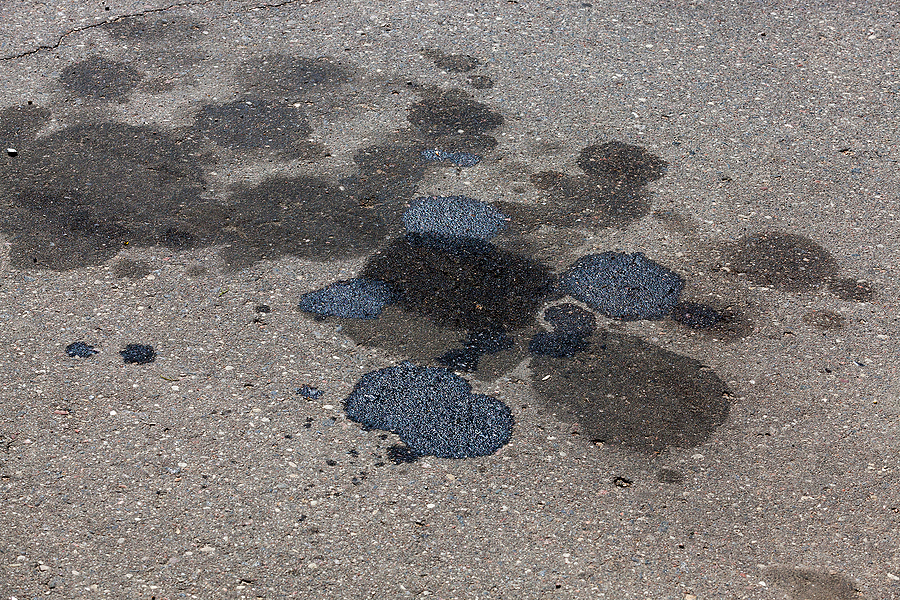
Visible Puddles or Stains Under Your Car
Take a look at the ground where you park. Spots of moisture, wet stains, or small puddles beneath your vehicle can point to a leak. Fuel tends to collect near the back of the car when the tank or fuel lines are involved, so check that area closely.
Decreased Fuel Efficiency
Filling up more often than usual? A drop in fuel efficiency is a subtle but telling sign. When fuel escapes through a leak, your engine burns through the tank faster, sending you back to the pump sooner than expected.
Engine Performance Issues
A fuel leak can throw off how your engine runs. You may notice rough idling, misfires, or a general loss of power. These symptoms happen when the fuel system can’t deliver the right amount of gasoline to keep things running smoothly.
Dashboard Warning Lights
Modern vehicles are built to alert you when something goes wrong. If your check engine light or a fuel system warning appears, don’t ignore it. It could be your car’s way of flagging a leak before you notice any other symptoms.
What Causes a Fuel Leak?
Fuel leaks can stem from a range of worn or damaged components. Knowing the usual culprits helps you and your mechanic pinpoint the problem faster.
- Worn fuel injectors: Over time, the seals and O-rings around fuel injectors can degrade, allowing fuel to seep out.
- Damaged fuel lines and connections: Fuel lines can crack, corrode, or loosen, especially as they age or take on road debris.
- Faulty fuel pump seals: When the seals on your fuel pump wear down, gasoline can escape and create a leak.
- Corroded fuel tank: Rust and corrosion can eat away at the tank, eventually creating holes that let fuel drip out.
- Loose gas cap: A cap that isn’t sealed properly can allow fuel vapors to escape and may even trigger a dashboard warning light.
What to Do If You Suspect a Fuel Leak
If you think your vehicle is leaking fuel, acting quickly is essential for your safety. Follow these steps.
- Stop driving immediately. Continuing to drive puts you and others at risk. The sooner you stop, the better.
- Park in a safe location away from ignition sources. Keep your car clear of open flames, sparks, cigarettes, or anything that could ignite the fuel or fumes.
- Contact a professional mechanic. A certified automotive technician can properly diagnose the leak and confirm whether your car is safe to drive.
- Avoid attempting DIY repairs. Fuel systems are complex and dangerous to work on without proper training and equipment. Leave this one to the experts.
- Document any symptoms for your mechanic. Note when you first noticed the smell, saw a puddle, or spotted a warning light. These details help your mechanic diagnose the issue faster.
How Are Fuel Leaks Repaired and Prevented?
Once you’ve reached a professional, the repair process is straightforward and focused on getting you safely back on the road.
Professional Inspection and Diagnosis
A qualified technician starts with a fuel system diagnostic to locate the source of the leak. This step is key, since fuel can travel along components and make the origin hard to spot.
Replacement of Damaged Components
Depending on the diagnosis, your mechanic may replace worn injectors, cracked fuel lines, faulty pump seals, or a corroded fuel tank. Fixing the root cause ensures the leak doesn’t return.
Regular Maintenance to Prevent Future Leaks
Prevention is far cheaper than repair. Routine car maintenance keeps your fuel tank, hoses, and connections in good shape. Check your owner’s manual for your vehicle’s recommended fuel system service intervals.
Periodic Fuel System Checks
Have your fuel system connections inspected during regular service visits. Catching a small issue early can save you from a bigger, more expensive problem down the road.
Frequently Asked Questions
How much does a fuel leak repair cost?
Car fuel leak repairs typically range from $150 to $1,500, depending on the source and severity of the leak. Fuel tank repairs often fall between $200 and $1,000, though a full tank replacement can push the cost higher. Professional leak detection usually runs between $75 and $350.
Is it safe to drive with a fuel leak?
No. Driving with a fuel leak is dangerous because gasoline is highly flammable and can ignite from a single spark. It also exposes you to toxic fumes and harms the environment. Stop driving and have your vehicle inspected as soon as possible.
How long does fuel leak repair take?
It depends on the cause. Minor repairs, like replacing a fuel line or gas cap, can often be completed the same day. More involved fixes, such as replacing a corroded fuel tank, may take longer. Your mechanic can give you an accurate timeline after the diagnosis.
Can a loose gas cap cause a fuel leak?
Yes. A gas cap that isn’t sealed properly can let fuel vapors escape and may trigger your check engine or fuel system warning light. It’s one of the simplest and cheapest fuel-related issues to fix, so it’s always worth checking first.
Don’t Wait to Address a Fuel Leak
A fuel leak is a serious problem that deserves prompt, professional attention. The sooner you act, the safer you’ll be—and the less you’ll likely spend on repairs. Watch for the warning signs, and never gamble with a suspected leak.
If you smell gas, spot a puddle, or notice any of the symptoms above, the team at Northeast Auto Service in Indianapolis, Indiana is here to help. Our certified technicians can accurately diagnose and repair your fuel leak, getting you back on the road with confidence. Schedule your appointment today.
Related Posts:
Stop the Drip: A Guide to Identifying and Fixing Common Car Leaks
Understanding Automotive Vacuum Leaks and How to Address Them
Poor Fuel Economy? Solve it Now!