
Sliding into the driver’s seat should be the easiest part of your daily routine. But when you are met with a stuck key, a stubborn door, or an unresponsive key fob, a minor inconvenience quickly becomes a major disruption. A faulty car lock does more than ruin your morning schedule. It directly compromises your safety and leaves your valuable vehicle highly vulnerable to theft.
Car locks endure constant, intense wear and tear. You expose them to extreme weather conditions, repetitive physical friction, and daily electrical stress. Over time, these complex mechanical and digital components naturally degrade. Ignoring a slightly sticky cylinder or a fob that requires multiple clicks is tempting. However, these minor symptoms almost always lead to complete lockouts at the most inconvenient times possible.
Recognizing the early warning signs of lock failure is crucial for maintaining your vehicle’s security. This guide outlines the most frequent causes of car lock malfunctions, provides actionable troubleshooting tips you can try at home, and explains exactly when to seek professional car lock repair. Taking a proactive approach will save you time, money, and significant frustration down the road.
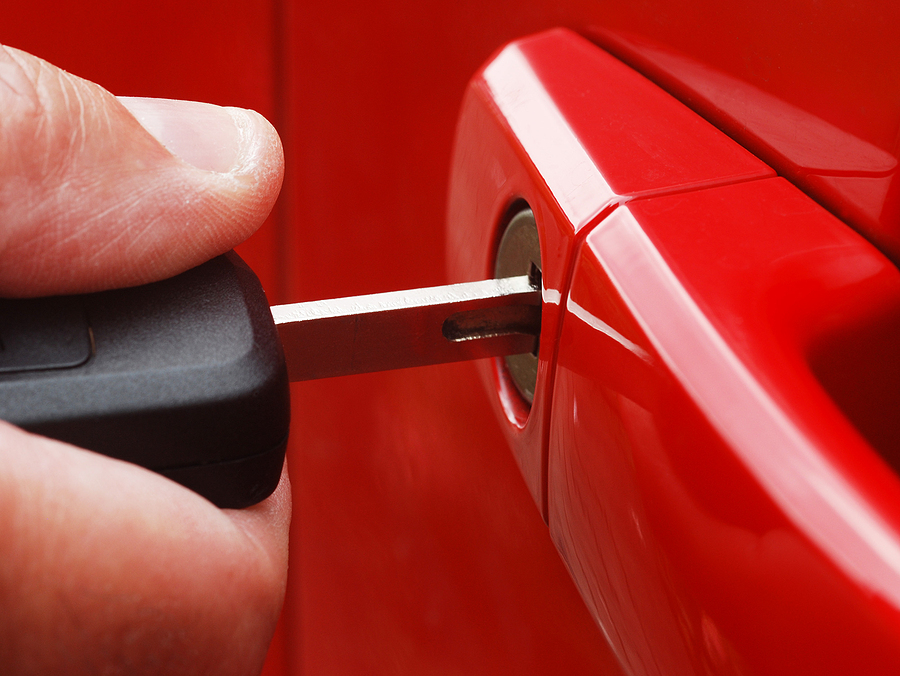
Common Car Lock Issues and Their Causes
Automotive locking systems consist of intricate parts that must work together seamlessly. When one component fails, the entire system often shuts down.
Worn Out Lock Cylinders
The physical lock cylinder takes a beating every time you insert your key. Over years of use, the internal metal tumblers grind down and lose their original shape. You will usually notice this problem when your key feels wobbly inside the door or ignition. Eventually, a worn cylinder will refuse to turn entirely, leaving you stranded outside your car.
Electrical Problems in Central Locking Systems
Modern vehicles rely heavily on electronic central locking systems. These systems use a network of wires, fuses, and motorized actuators to lock and unlock your doors simultaneously. Blown fuses, frayed wiring, or a burnt-out door lock actuator will disrupt this communication. If you press your unlock button and hear a grinding noise—or hear absolute silence—you likely have an electrical fault.
Damaged Key Fobs and Transponders
Your key fob acts as the digital commander for your vehicle’s security system. Dropping your fob on hard pavement, exposing it to water, or simply dealing with a dead car battery can break the connection between the remote and your car. Inside the key is a small transponder chip that communicates with your engine; if this chip cracks, your car will refuse to start.
Frozen Car Locks in Winter
Plummeting temperatures create unique challenges for automotive hardware. Moisture easily sneaks inside the tiny crevices of your door lock. When the temperature drops below freezing, this trapped moisture turns to solid ice, physically blocking your key from entering or turning the cylinder.
DIY Car Lock Troubleshooting: What You Can Check
Before you panic about expensive repair bills, there are a few safe, simple troubleshooting steps you can perform yourself.
Simple Fixes for Sticky Locks
If your key struggles to slide into the door, the lock mechanism is likely dry or dirty. You can resolve this by applying a dry graphite lubricant directly into the keyhole. Avoid using heavy, wet lubricants like WD-40. Wet lubricants attract dust and grime, which will eventually create a thick sludge that destroys the lock’s internal pins.
Battery Replacement for Key Fobs
An unresponsive key fob is usually suffering from a dead battery. Most fobs use standard CR2032 or CR2025 coin-cell batteries, which are incredibly cheap and easy to find at local hardware stores. Carefully pry open the plastic casing of your fob, pop out the old battery, and insert the new one. This simple five-minute fix solves a massive percentage of modern lock issues.
Inspecting for Visible Damage
Take a close look at your physical car key. Are the grooves significantly smoothed down? Is the metal slightly bent? A damaged key will never engage a lock cylinder properly. Next, shine a flashlight into the car lock itself. Look for broken key fragments, dirt, or pocket lint that might be blocking the mechanism.
When to Call a Professional for Car Lock Repair
While basic maintenance is safe to do at home, modern car security systems are highly complex. Certain scenarios require the expertise of a certified mechanic.
Diagnosing Complex Electrical Faults
If your central locking system is acting erratically, you need professional diagnostics. ASE-certified mechanics use specialized multimeters and computer scanners to trace electrical shorts hidden deep behind your door panels. Attempting to splice wires yourself can trigger your vehicle’s anti-theft immobilizer or accidentally deploy the airbags.
Expert Repair for Mechanical Breakdowns
Replacing a broken door lock actuator involves safely removing the interior door panel, peeling back the delicate vapor barrier, and working within tight spaces. A professional knows how to dismantle these fragile plastic components without snapping the retaining clips. They also ensure the physical rods and cables are correctly tensioned during reassembly.
Key Fob Reprogramming and Replacement
If a new battery does not fix your key fob, the remote may have lost its programming. A professional auto repair shop has the proprietary computer software required to pair a new transponder chip to your specific vehicle’s computer.
The Car Lock Repair Process at a Glance
Knowing what happens behind the garage doors can ease the stress of unexpected repairs. Here is how professionals handle lock failures.
Initial Assessment and Diagnosis
A technician begins by verifying your complaint. They will test the mechanical feel of the lock cylinder, check the voltage reaching the door actuators, and scan the vehicle’s computer module for specific security fault codes. This thorough assessment prevents unnecessary parts replacement.
Repair Techniques for Various Lock Types
The actual repair varies wildly based on the diagnosis. A mechanic might rebuild a worn lock cylinder by replacing the tiny internal pins to match your existing key. For electrical issues, they will strip and solder damaged wiring or bolt in a brand-new motorized actuator assembly.
Testing and Quality Assurance
Professionals never hand back your keys without rigorous testing. They will lock and unlock the doors multiple times using both the physical key and the electronic remote. They also verify that the interior handles, child safety locks, and alarm systems function flawlessly.
Preventing Future Car Lock Problems
A little preventative care significantly extends the lifespan of your vehicle’s locking mechanisms.
Regular Maintenance Tips
Make lock lubrication a part of your annual vehicle maintenance routine. A quick puff of dry graphite spray before the winter season hits will keep the internal tumblers moving freely and repel dangerous moisture.
Protecting Your Key Fobs
Treat your key fob like a delicate piece of electronics. Invest in a cheap silicone cover to protect the plastic casing from drops and scratches. Keep the fob away from extreme heat, and never submerge it in water.
Addressing Issues Early
Car locks rarely fail without warning. The moment you feel resistance when turning your key, or the moment your door requires two pulls to open, schedule a professional inspection. Catching a failing actuator early is far cheaper than paying for an emergency lockout service.
FAQ Section
How much does car lock repair typically cost?
In 2025, the average cost for car lock repair ranges from $75 to $250. This price fluctuates depending on whether you need a simple rekeying service, a new electrical actuator, or a fully programmed smart key.
Can a broken car lock affect my car’s security?
Absolutely. A malfunctioning lock allows thieves easy access to your cabin. Furthermore, if your vehicle’s computer detects a fault in the locking system, it may disable your factory car alarm entirely.
How long does car lock repair take?
Most standard car lock repairs take between 30 minutes and two hours. Replacing a key fob battery takes minutes, while diagnosing a complex wiring short deep within a door panel requires more labor.
Is it better to repair or replace a car lock?
If a lock cylinder is slightly sticky, a basic cleaning and repair is sufficient. However, if the internal metal tumblers are severely ground down or the electrical motor is burnt out, total replacement is the safest and most reliable option.
Keeping Your Vehicle Secure
Your car locks are the first line of defense protecting your vehicle, your belongings, and your peace of mind. By paying attention to how your keys and doors operate, you can easily catch mechanical wear and electrical faults before they leave you stranded in a parking lot.
Whether you are dealing with a stubborn ignition cylinder, a dead key fob, or a frozen door, timely professional intervention is the key to lasting security. For reliable car lock repair in Indianapolis, request a free estimate from Northeast Auto Service today!
Related Post: The Ultimate Guide to Car Key Fob Replacement