Few things are more unsettling than gripping your steering wheel and feeling your car drift toward the shoulder—or worse, toward oncoming traffic. A pulling car is one of the most common complaints drivers bring to auto shops, yet many people push the problem aside, chalking it up to road camber or wind. That’s a mistake.
The truth is, a car that consistently pulls to one side is telling you something. It could be something as simple as low tire pressure, or something more serious like worn suspension components or frame damage. Either way, ignoring it puts both your safety and your wallet at risk. This guide breaks down the most common causes, the warning signs to watch for, and exactly what to do about it.
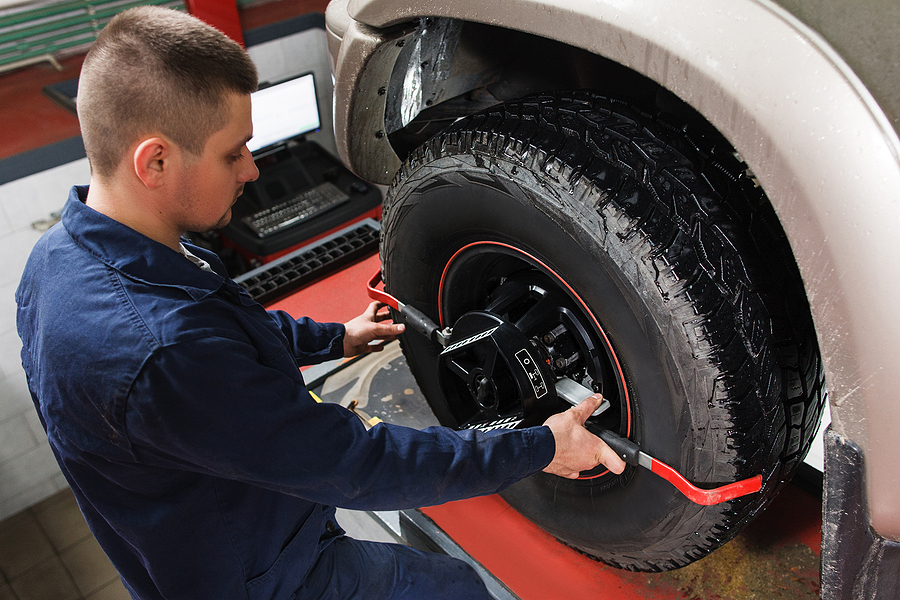
Wheel Alignment: The Most Common Culprit
When your wheels aren’t properly aligned, they don’t point in the same direction—and your car will drift toward whichever side is pulling the hardest.
Alignment can be knocked off by everyday events: hitting a pothole, bumping a curb, or even just the gradual wear that comes with time and mileage. The fix is straightforward, but only if you catch it early.
Signs Your Alignment Is Off
- Your steering wheel sits crooked when driving straight
- The car drifts consistently to one side on a flat road
- You notice uneven tire wear across the tread
Routine alignment checks every 12,000 miles—or after any significant impact—can prevent this from becoming a bigger problem.
Tire Trouble: Pressure and Uneven Wear
Before assuming the worst, check your tires. A significant difference in pressure between the left and right tires creates uneven rolling resistance, which can cause noticeable pulling.
Uneven tread wear tells a similar story. If one tire is more worn than the others, it won’t grip the road the same way. The result? Your car leans toward the path of least resistance.
What to Look For
- Tires that are visibly more worn on one side
- Tire pressure that differs by more than a few PSI between sides
- Feathering or cupping patterns on the tread surface
Always inflate your tires to the manufacturer’s recommended PSI—found on the sticker inside your driver’s door—and rotate them every 5,000 to 7,000 miles.
Brake Imbalances: More Than Just Stopping Power
Your brakes do more than slow you down. When one brake caliper sticks or applies more pressure than the others, it creates drag on that wheel. This drag pulls the car toward the affected side—most noticeably when braking, but sometimes even during normal driving.
A seized caliper is a particularly common cause. It locks the brake pad against the rotor, generating friction and heat even when you’re not pressing the pedal. If you notice your car pulling sharply during braking, or smell something burning near your wheels, don’t wait to get it checked.
Suspension System Problems
Worn Shocks, Struts, and Springs
Your suspension system absorbs road impact and keeps your tires in proper contact with the ground. When shocks or struts wear out unevenly—which they often do—one side of the car handles differently than the other. This imbalance can cause subtle but persistent pulling.
Worn suspension components also accelerate tire wear and reduce your ability to control the vehicle in an emergency. It’s not a problem that improves with time.
Tie Rods and Ball Joints
These steering components connect your wheels to the rest of the steering system. A worn or damaged tie rod or ball joint creates looseness in the steering, which can cause the car to wander or pull. In severe cases, a failed ball joint can cause a wheel to collapse entirely—a serious safety risk at any speed.
If you feel vibration in the steering wheel alongside pulling, suspension and steering wear is a likely cause.
Less Common Causes Worth Knowing
Wheel Bearing Issues
A worn wheel bearing creates uneven rolling resistance on one side of the axle. The pulling tends to shift depending on your speed and turning direction, making it trickier to diagnose. A humming or grinding noise from one wheel is a telling sign.
Frame or Chassis Damage
If your car pulls after a collision—even a minor one—there may be structural damage affecting how the vehicle tracks down the road. Frame damage can be subtle and difficult to spot without professional equipment. An alignment check after any accident is non-negotiable.
The Real Dangers of Ignoring a Pulling Car
Safety Risks
A car that pulls demands constant steering correction. Over a long drive, that’s mentally exhausting—and in a moment of inattention, it can be genuinely dangerous. On wet or icy roads, the risks multiply. Your ability to respond quickly in an emergency depends on a vehicle that behaves predictably.
Increased Wear and Tear
Pulling problems don’t stay contained. Misalignment chews through tires. Sticking brakes damage rotors. Worn suspension components stress adjacent parts. A minor fix today can prevent a cascade of expensive repairs down the road.
What to Do When Your Car Pulls
Initial Checks You Can Perform
Start with the basics before heading to the shop:
- Check tire pressure on all four tires and inflate to the recommended level
- Inspect tires visually for obvious uneven wear or damage
- Test on a flat, straight road to confirm the pull is consistent, not related to road camber
- Note when it happens—only during braking, constantly, or at certain speeds
These observations help your mechanic diagnose the issue faster.
When to Seek Professional Help
If the pulling persists after correcting tire pressure, or if you notice any of the following, it’s time to see a professional:
- Pulling that worsens during braking
- Vibration or looseness in the steering wheel
- Uneven tire wear that keeps coming back
- Noises near the wheels (humming, grinding, clunking)
- The car pulling after a recent accident
A licensed car mechanic can perform a full alignment check, inspect brake components, and assess suspension and steering wear with precision.
Frequently Asked Questions
How often should I get my wheels aligned?
Most manufacturers recommend a wheel alignment check every 12,000 miles, or once a year. You should also check alignment after hitting a significant pothole, curb, or following any collision.
Can a flat or low tire cause my car to pull?
Yes. A significantly underinflated tire creates more rolling resistance on that side, causing the vehicle to drift in that direction. Always check tire pressure first when you notice pulling.
Is it safe to drive with a car that pulls?
Driving with a pulling car is risky. The severity depends on the cause—low tire pressure is less urgent than a sticking brake caliper or failing ball joint. If the pull is sudden, severe, or accompanied by unusual noises, stop driving and have the vehicle inspected immediately.
Drive Straight, Drive Safe
A car that pulls to one side is rarely a mystery—it’s a symptom with a clear cause, whether that’s misaligned wheels, uneven tire wear, brake drag, or something deeper in the suspension. The sooner you identify and address it, the safer your drive and the lower your repair costs.
Don’t let a manageable issue become a major one. Trust Northeast Auto Service for accurate diagnostics and the best automotive deals around Indianapolis. Our team will pinpoint exactly why your car is pulling and get you back on the road with confidence. Schedule service today.
Related Posts:
The Key to Smooth Rides: Understanding Vehicle Alignment
When Should I Rotate and Balance My Car Tires?
Truck Suspension Repair: A Complete Guide