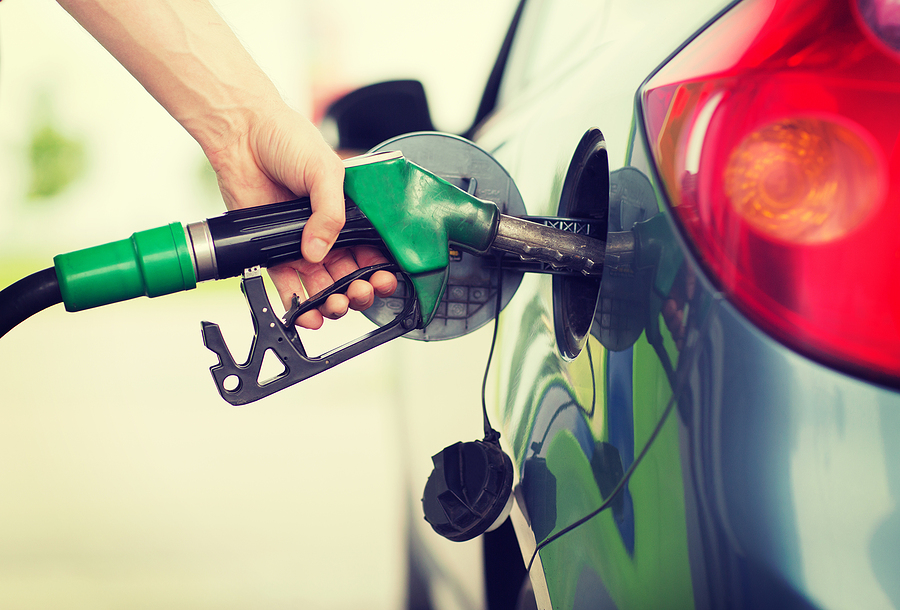
Filling up the tank more often than usual? That nagging suspicion that your car is burning through fuel faster than it should be is worth paying attention to. Poor gas mileage isn’t just a drain on your wallet—it’s often a symptom of a deeper issue affecting your vehicle’s health.
The average American spends over $2,000 a year on gasoline. When your fuel economy drops, those costs climb fast. Knowing what’s pulling down your MPG puts you back in control—whether that means a quick tire pressure check or scheduling a full vehicle inspection.
Here’s a breakdown of the most common reasons your vehicle might be getting poor gas mileage, and what you can do about each one.
Tire Pressure and Condition
How Underinflated Tires Hurt Fuel Economy
Low tire pressure is one of the most overlooked causes of poor gas mileage—and one of the easiest to fix. When tires are underinflated, they create more rolling resistance against the road, forcing your engine to work harder to maintain speed. According to the U.S. Department of Energy, fuel economy drops by approximately 0.2% for every 1 PSI decrease in average tire pressure across all four tires.
Your vehicle’s tire pressure monitoring system (TPMS) only triggers an alert after a significant drop in PSI. That means you could be running 5 PSI below the recommended level—creating noticeable drag—without receiving any warning.
Simple Tire Maintenance Tips
- Check tire pressure at least once a month, preferably when the tires are cold
- Use the PSI listed on your driver’s door jamb sticker, not the number on the tire sidewall
- Inspect tires regularly for uneven wear, which can also signal alignment issues
Engine Issues and Maintenance
Dirty Air Filters and Spark Plug Problems
Your engine needs a steady supply of clean air to burn fuel efficiently. A clogged air filter restricts airflow, and in older vehicles without oxygen sensors, this forces the engine to compensate by burning extra fuel. Studies suggest a dirty air filter can reduce fuel economy by 2–6% in modern fuel-injected vehicles. Air filters should typically be replaced every 15,000 to 30,000 miles, though your owner’s manual will have the exact interval for your vehicle.
Worn spark plugs are another common culprit. When a spark plug misfires, fuel inside the cylinder doesn’t combust properly—meaning your engine is burning fuel without producing useful power. Symptoms include rough idling, stalling, and a general drop in engine performance alongside worsening MPG.
The Role of Engine Oil in Fuel Economy
Using the wrong grade of motor oil creates unnecessary friction between engine components, reducing efficiency. According to the U.S. Department of Energy, using the manufacturer’s recommended oil grade can improve fuel economy by 1–2%. Regular oil changes keep the engine lubricated properly and prevent performance degradation over time.
Faulty Oxygen Sensors
A dirty or failing oxygen sensor sends incorrect data to your vehicle’s computer, causing the engine to run too rich—meaning it burns more fuel than necessary. A faulty O2 sensor can reduce fuel efficiency by as much as 40%, according to Edmunds. It’s also one of the most common triggers for a check engine light.
Driving Habits and Behavior
Aggressive Driving Wastes More Fuel Than You Think
How you drive has a dramatic effect on how far a tank of gas takes you. Rapid acceleration, hard braking, and speeding force the engine to work at its highest load, burning through fuel quickly. According to the U.S. Department of Energy, aggressive driving can lower gas mileage by 15–30% on the highway and 10–40% in stop-and-go traffic.
Gas mileage also decreases significantly above 50 mph. Slowing down on the highway and using cruise control on long stretches can make a meaningful difference in fuel consumption.
Idling and Short Trips
Idling burns fuel with zero miles to show for it. Short trips are similarly inefficient—your engine burns more fuel when cold and hasn’t had the chance to reach its optimal operating temperature. Combining errands into a single trip and limiting unnecessary idling are simple habits that add up over time.
Vehicle Load and Aerodynamics
Excess Weight Reduces Fuel Economy
Every extra pound your vehicle carries makes the engine work harder. A general rule of thumb: for every 100 pounds of added weight, a vehicle loses approximately 1% in fuel economy. Roof racks and cargo carriers compound the problem by disrupting aerodynamics, creating drag that increases fuel consumption at highway speeds.
Quick tips to reduce unnecessary load:
- Remove roof racks when not in use
- Clear out heavy, non-essential items from your trunk
- Avoid carrying full loads when partial loads will do
Transmission and Engine Problems
When Drivetrain Issues Affect Gas Mileage
A poorly functioning transmission can cause the engine to rev higher than necessary to maintain speed, burning excess fuel in the process. Slipping gears, delayed shifting, or a transmission that hesitates are all signs that something may be off.
Engine problems—such as low compression from worn piston rings or a clogged fuel filter reducing fuel pressure—can also cause your vehicle to operate inefficiently. A clogged fuel filter restricts fuel flow to the engine, forcing it to work harder and reducing performance.
If your MPG has dropped suddenly and you can’t trace it to something obvious like tire pressure or driving habits, a professional diagnosis is the right call.
Fuel System and Quality
Dirty Fuel Injectors
Fuel injectors spray a precise mist of fuel into each engine cylinder. When they become clogged or dirty, the spray pattern becomes irregular—similar to a shower head with mineral buildup. The result is incomplete combustion and lower fuel economy. In many cases, injectors can be professionally cleaned. In others, replacement may be necessary.
Fuel Quality Matters
Using lower-octane fuel in a vehicle designed for premium gasoline can cause engine knock and reduced efficiency. Always check your owner’s manual for the recommended fuel grade. The difference in cost per gallon is often offset by the improvement in performance and MPG.
Frequently Asked Questions
Why did my gas mileage suddenly get worse?
A sudden drop in MPG often points to a specific mechanical issue—low tire pressure, a failing oxygen sensor, clogged fuel injectors, or a misfiring spark plug. If the problem appeared quickly, it’s best to have the vehicle inspected sooner rather than later.
Can weather affect my gas mileage?
Yes. Cold temperatures reduce fuel economy because engines take longer to reach their optimal operating temperature. Cold air is also denser, increasing aerodynamic drag. Tire pressure drops in cold weather as well, compounding the effect on MPG.
How often should I have my vehicle serviced to maintain good fuel economy?
Follow the manufacturer’s recommended maintenance schedule in your owner’s manual. Key intervals to watch include oil changes, air filter replacements (every 15,000–30,000 miles), spark plug replacement, and fuel filter changes.
Does using the air conditioner reduce gas mileage?
Yes. Running the A/C places extra load on the engine and can reduce fuel economy, particularly at lower speeds. At highway speeds, however, using A/C is generally more efficient than opening windows, which increases aerodynamic drag.
Get Your Fuel Economy Back on Track
Poor gas mileage rarely fixes itself. Most of the causes covered here—from low tire pressure to failing sensors—are diagnosable and correctable with the right inspection. Catching these issues early prevents small inefficiencies from turning into costly repairs.
If your vehicle is burning through fuel faster than it should, the team at Northeast Auto Service in Indianapolis, Indiana, can help. Our experienced technicians will pinpoint exactly what’s affecting your fuel economy and get your vehicle running efficiently again. Schedule an inspection or service today.
Related Posts:
How to Save Gas Money By Taking Better Care of Your Car
4 Ways to Get Better Gas Mileage
Poor Fuel Economy? Solve it Now!