Choosing the Right Mechanic: A Car Owner’s Ultimate Guide

Navigating the intricate world of auto repair can be as complex as the inner workings of a combustion engine. For car owners and vehicle enthusiasts, finding a mechanic isn’t just about avoiding the dreaded clunking noise under the hood; it’s a fundamental part of maintaining the health and longevity of a cherished possession. Throughout this guide, we’ll steer you through the labyrinth of selecting a mechanic, ensuring that your journey is smooth, and your automotive companion is in capable hands.

Call 317-475-1846 When You Need a Mechanic Near Indianapolis Indiana

Researching Mechanic Options

When the well-being of your vehicle is at stake, the digital era serves as an invaluable tool set. Online reviews and ratings offer a peek under the garage door, providing insights into the experiences of fellow motorists. Just as you’d consult a travel guide before visiting a new destination, consider these reviews as flags to direct you to skilled car repair services.

Equally important is tapping into the collective wisdom of your personal network. Friends and family can provide trusted recommendations, sparing you the trials and tribulations of choosing blindly. Pair these personal anecdotes with a mechanic’s certifications and credentials, and you lay the groundwork for reliable auto repair.

Assessing Experience and Expertise

An experienced mechanic, like a seasoned pilot, navigates the complexities of their craft with poise and precision. Years of service within the automotive industry often indicate a robust knowledge base, while areas of specialization highlight a technician’s tailored skills suited for specific vehicle makes or particular repair needs. Be mindful to inquire about ongoing training and qualifications, ensuring that your chosen mechanic’s expertise evolves parallel to automotive advancements.

Evaluating Reputation and Customer Satisfaction

Reputation is the echo of a business’s past actions and achievements. Scrutinize testimonials and mine the depths of customer feedback—these are the reflections of a mechanic’s dedication to service excellence. Keep an ear to the ground for the frequency of disputes and note how adeptly a shop resolves complaints. In essence, peer past the oil-stained floors and rummage through reputational signals to unearth trustworthy auto services.

Considering Convenience and Accessibility

Practicality dictates that convenience often plays a pivotal role in our decision-making. Assess the mechanic’s location in relation to your orbit of daily activities. Consider the alignment of their operating hours with your own temporal rhythm. Moreover, modern vehicle care shouldn’t be devoid of additional services; look for conveniences such as shuttle services or loaner vehicles that demonstrate a forward-thinking approach to customer care.

Transparency in Pricing and Estimates

Honesty is the soul of business. When it comes to car repairs, a transparent pricing and billing practice is non-negotiable. A reliable mechanic will not only offer you a detailed breakdown of costs but will also present a clear outline of the work required. This forthrightness extends to warranties and guarantees, ensuring that the services rendered are more than mere transactions—they’re commitments to your satisfaction.

Communication and Trust

Building rapport with your mechanic is akin to establishing a line of communication with a trusted confidant. Open dialogue, a readiness to dispense wisdom about repair processes, and candid discussions about your car’s condition all manifest a mechanic’s intent to foster trust. It is in this nurturing of trust that you find the assurance of entrusting your vehicle to capable hands.

Conclusion

Choosing the right mechanic is crucial in the journey of car ownership, just like selecting a sturdy wheel for a voyage. As we conclude our guide, remember that finding a trusted car repair shop may feel challenging, but the reward—a reliable, long-term partnership for your vehicle’s maintenance—makes the effort worthwhile. Embrace the pursuit of knowledge as you carefully evaluate options, considering both past reputation and future reliability. By upholding the principles of transparency, communication, and skilled service, you can confidently navigate the automotive landscape.

Looking for a reliable mechanic in Indianapolis to take care of your car? Schedule your automotive service today! Contact Northeast Auto Service at 317-475-1846 for ASE licensed and trained factory scheduled maintenance and car inspections in Indianapolis, Indiana. We work on all make and model vehicles!

Related Posts:

10 Warning Signs of a Bad Automotive Shop
How to Choose an Auto Repair Shop You Can Trust
Choose Northeast Auto Service as Your Local Trusted Indianapolis Mechanic

Why Isn’t My Car Heater Working? Understanding Common Issues

As winter approaches and the temperature starts to drop, relying on your car’s heater becomes a daily necessity. But what happens when you crank up the heat and all you’re met with is a blast of frigid air? Understanding common car heater problems is the first step to resolving this inconvenient issue.

In this blog post, we’ll dive into the reasons behind a broken car heater, the implications it can have on your daily commute, and how best to approach car heater repair. So, keep reading to equip yourself with crucial knowledge that will keep you warm and your travels comfortable throughout the colder months.

Call 317-475-1846 For Affordable and Fast Car Heater Repair in Indianapolis Indiana

Common Reasons for a Malfunctioning Car Heater

Before we get into the details of how to fix your car heater, it’s essential to understand what might be causing the issue in the first place. Typically, there are three main reasons why your car’s heater may not be working: a malfunctioning thermostat, a faulty heater core, or low coolant levels.

1. Malfunctioning Thermostat

The thermostat is responsible for regulating the temperature of your car’s engine, but it also plays a crucial role in heating up the cabin. If the thermostat gets stuck or fails to open and close correctly, it can affect the flow of hot coolant to the heater core, resulting in cold air blowing out instead of warm.

2. Faulty Heater Core

The heater core acts as a small radiator that uses hot coolant to warm up the air before it enters the cabin through the vents. If there’s a leak or blockage in the heater core, it can impact its ability to heat up the air, resulting in cold airflow.

3. Low Coolant Levels

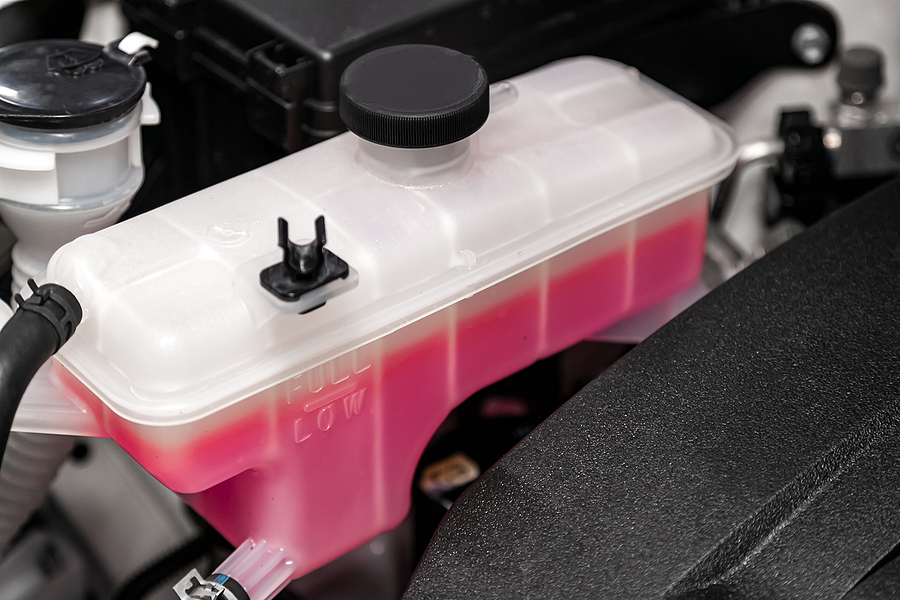
Coolant, also known as antifreeze or radiator fluid, plays a vital role in keeping your car’s engine from overheating. It also circulates through the heater core to heat up the air before it enters your car’s cabin. If there is a leak or low coolant levels, there won’t be enough hot liquid circulating to warm up the air.

Implications of a Broken Car Heater

Not being able to get warm air from your car’s heater may seem like a minor inconvenience, but it can have significant implications on your safety and overall driving experience. Firstly, not having a functioning heater can make for an uncomfortable ride, especially during those early morning or late-night commutes when temperatures are at their lowest. Secondly, if your windows fog up due to the cold air blowing through the vents, your visibility can be significantly reduced, making driving hazardous. And finally, if your heater is not working due to a faulty thermostat or low coolant levels, it could also mean that your engine is running too cold, causing damage, and reducing fuel efficiency.

How to Approach Car Heater Repair

Now that you understand the common reasons behind a broken car heater and the potential implications it can have, let’s discuss how to approach car heater repair. The best course of action is to take your car to a certified mechanic who has experience dealing with heating systems. They will be able to diagnose the issue and perform any necessary repairs correctly. It’s essential not to try and fix the problem yourself, as doing so could result in further damage or even injury. Also, depending on the extent of the issue, it’s best to address it sooner rather than later, as delaying repairs could lead to more significant problems and costly repairs down the road.

In Summary

A malfunctioning car heater can be frustrating, but understanding the common issues and their implications is key to finding a solution. Remember that regular maintenance and addressing any signs of a problem promptly can help prevent your car heater from breaking down in the first place. Stay warm and safe on the road this winter by taking care of your car’s heating system. 

Ready to appoint a trusted Indianapolis mechanic for your car care needs? Book your scheduled automotive service today! Contact Northeast Auto Service at 317-475-1846 for ASE licensed and trained car heater repair in Indianapolis, Indiana. We work on all make and model vehicles!

Related Posts:

10 Essential Tips for Winter Car Maintenance
Winter Preventative Maintenance Tips for Cars and Trucks
How to Ensure Good Driving Visibility in the Winter

My Car Broke Down! Now What? A Comprehensive Guide

We’ve all been there: you’re cruising down the highway, your favorite song playing on the radio, when suddenly, your car sputters, stalls, and comes to a halt. Your heart sinks as you realize – your car has broken down. This unexpected situation can be stressful and daunting, especially if you’re unprepared.

Thankfully, this comprehensive guide is here to help you navigate through sudden car issues. We will take you through the necessary steps to handle such situations, from identifying the issue and contacting an auto repair service to deciding when you need a towing service. Let’s hit the road to knowledge, shall we?

Call 317-475-1846 For Car Repair Near Indianapolis Indiana
Call 317-475-1846 For Affordable Car Repair Near Indianapolis Indiana

What to Do if Your Car Breaks Down

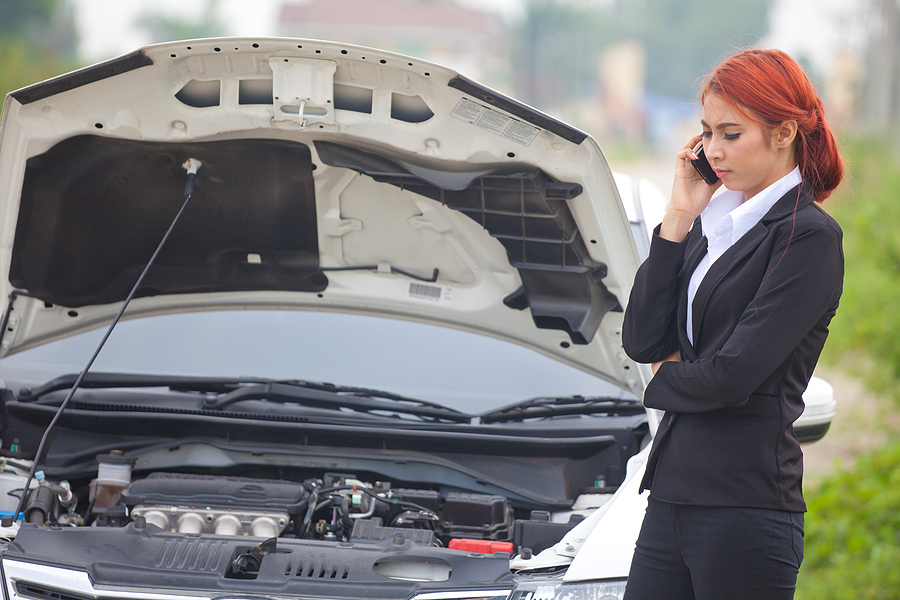
Finding yourself stranded on the side of the road due to a car breakdown can be a scary experience. But knowing what to do in a roadside emergency can help you remain safe and quickly get back on your way. The first step is to ensure you are off the roadway and out of harm’s way. Turn on your hazard lights and use cones or flares if you have them to signal to other drivers. Then, assess the issue with your vehicle and determine if you can fix it or need to call for assistance. Keep your cell phone charged and accessible and contact a friend, family member, or emergency roadside assistance if needed. Remember to prioritize your own safety and the safety of others on the road.

After the Breakdown

Identify the Issue

The first step to handling a sudden car issue is identifying the problem. This can be daunting, especially if you’re not well-versed in car mechanics. However, there are a few simple checks you can do to help pinpoint the issue. Start by checking your dashboard for any warning lights or messages. This could indicate anything from low tire pressure to engine trouble. Next, listen for any odd sounds or smells coming from your car. These could point towards a specific problem and help you communicate with the mechanic more clearly. Lastly, try to recall any recent changes or incidents that may have caused the issue. This information can be helpful in diagnosing the problem.

Contact an Auto Repair Service

Once you’ve identified the issue, it’s time to contact an auto repair service. It’s important to choose a reliable and trustworthy mechanic who will provide quality service at a fair price. You can ask for recommendations from friends and family or check online reviews to find reputable mechanics in your area. When contacting the repair service, be sure to describe the issue clearly and provide any necessary information you’ve gathered. This will help the mechanic arrive at an accurate diagnosis and give you an estimated cost for repairs.

Decide When You Need a Towing Service

In some cases, your car may not be safe to drive to the repair shop. For example, if your engine has completely shut down or if there is extensive damage to your vehicle, attempting to drive it could cause further harm. In these situations, it’s best to call a towing service. They will safely transport your car to the repair shop and save you from potential accidents or additional expenses. You can also utilize a roadside assistance program if you have one, which often includes free towing services.

In Summary

Dealing with sudden car issues can be stressful, but by following these steps, you can handle the situation with confidence. Remember to stay calm and assess the issue before contacting an auto repair service. In some cases, a towing service may be necessary for your safety and the well-being of your vehicle. By being prepared and taking the necessary steps, you’ll be back on the road in no time. And don’t forget to schedule regular maintenance for your car to prevent unexpected breakdowns in the future.

Are you in search of a reliable car mechanic for auto repairs in the Indy area? Contact Northeast Auto Service at 317-475-1846 for professional, ASE-licensed car maintenance and automotive repair in Indianapolis, Indiana. Check out our auto shop coupons, too!

Related Posts:

Top 4 Reasons Why Your Car Won’t Start
Common Signs That Indicate Which Car Repair You Need
Strange Car Smells and What They Might Mean

Navigating Car Sensor Issues: Tips and Tricks

Welcome to our comprehensive guide on navigating car sensor issues. Automotive sensors play a vital role in your car’s performance, ensuring that everything runs smoothly and efficiently. When they falter, they can trigger a ripple of problems, affecting everything from fuel efficiency to emission control. They might seem complex, but with a little knowledge and some handy tips, you can avoid hefty car sensor repair costs and unnecessary headaches.

Whether it’s an O2 sensor, mass air flow (MAF), or coolant temperature sensor giving you trouble, we’ve got you covered. So, buckle up and prepare for a deep dive into the world of car sensors.

Call 317-475-1846 For Car Sensor Repair in Indianapolis Indiana

Understanding Car Sensors

Before we dive into the specific types of car sensors, let’s first understand what they are and how they work. In simple terms, a sensor is a device that measures physical quantities and converts them into signals that can be read and interpreted by your vehicle’s computer system. These signals help the computer make adjustments to various systems in your vehicle, ensuring optimal performance.

Common Types of Automotive Sensors:

1. O2 Sensors

Also known as oxygen sensors, these are one of the most crucial sensors in your vehicle’s emission control system. They monitor the amount of oxygen in the exhaust and send signals to adjust the air-fuel mixture accordingly. A faulty O2 sensor can lead to poor fuel efficiency and increased emissions, resulting in a failed emission test.

2. Mass Air Flow (MAF) Sensors

As the name suggests, MAF sensors measure the amount of air entering your car’s engine and send this information to the computer to adjust fuel delivery. A dirty or malfunctioning MAF sensor can cause problems such as rough idling, stalling, and decreased performance.

3. Engine Oil Level and Pressure Sensors

These sensors monitor the level and pressure of engine oil, ensuring that your vehicle’s engine is properly lubricated. A faulty sensor can lead to low oil levels or incorrect pressure readings, which can cause engine damage if not addressed promptly.

4. Coolant Temperature and Level Sensors

Coolant temperature sensors measure the temperature of the engine coolant and send signals to adjust the cooling system accordingly. Coolant level sensors alert you when there is a loss of coolant, preventing potential overheating and engine damage.

5. Air Intake Temperature Sensors

Air intake temperature sensors measure the temperature of the air entering your car’s engine, allowing for proper fuel delivery and combustion. A faulty sensor can lead to incorrect air-fuel ratios, causing engine performance issues.

6. Manifold Absolute Pressure (MAP) Sensors

MAP sensors measure the pressure in the intake manifold and send signals to adjust fuel delivery accordingly. A malfunctioning MAP sensor can cause issues such as rough idling, decreased fuel efficiency, and increased emissions.

Tips for Navigating Automotive Sensor Issues

Now that we’ve covered the common types of vehicular sensors, here are some tips to help you navigate any issues that may arise:

Pay attention to warning lights: Most modern cars have a dashboard warning light that indicates a problem with one of the sensors. If you see this light, it’s essential to get your car checked by a professional as soon as possible to avoid further damage.

Stay on top of maintenance: Regularly scheduled maintenance can help detect any potential sensor issues before they become bigger problems. Make sure to follow your manufacturer’s recommended maintenance schedule and have your car inspected by a trusted mechanic regularly.

Keep your sensors clean: Dirt, grime, and debris can cause sensors to malfunction. Regularly cleaning them can help prevent issues and increase their lifespan. Check your owner’s manual for the appropriate engine cleaning methods for each sensor.

Consult a professional: While some car sensor issues may be easy to fix on your own, it’s always best to consult a professional mechanic if you’re not sure how to proceed or don’t have the necessary tools. This can save you time, money, and potential headaches in the long run.

Car Sensor Repair Costs

The cost of repairing or replacing a car sensor can vary greatly depending on the type of sensor, the make and model of your car, and labor costs. Generally, expect to pay anywhere from $200 to $500 for a single sensor replacement. However, if multiple sensors need to be replaced, the cost can quickly add up.

Conclusion

Car sensors play a crucial role in your vehicle’s performance and should not be ignored if issues arise. By understanding how they work and following our tips, you can save yourself from costly repairs and ensure that your car runs smoothly for years to come. Remember to always consult a professional if you’re unsure about any sensor-related issues and stay on top of regular maintenance to prevent problems in the first place.

Looking for affordable and speedy assistance with some unexpected car problems? Contact Northeast Auto Service at 317-475-1846 for professional automotive service and repair in Indianapolis, Indiana. Request a free estimate, or schedule service, today.

Related Posts:

How to Diagnose and Solve Common Auto Electrical Problems
10 Common Reasons Your Check Engine Light is On
How to Tell If It’s Time for an Oil Change: 10 Warning Signs

10 Common Reasons Your Check Engine Light is On

Your car’s check engine light, also known as the malfunction indicator lamp, serves as an early warning system for potential engine troubles. It’s like your car’s way of telling you something isn’t quite right. When it suddenly illuminates on your dashboard, it can easily trigger a wave of anxiety and a flurry of questions. Is it a minor issue? Or is it something serious, like engine problems, that requires immediate attention? It’s not always easy to tell.

In this blog post, we’ll explore 10 of the most common reasons why your check engine light might be on, helping you understand the possible underlying issues and what your next steps should be. Buckle up, and let’s dive into the world of automotive diagnostics and repair.

Call 317-475-1846 When You Need Check Engine Light Diagnostics in Indianapolis Indiana

Top 10 Reasons Why a Check Engine Light Comes On

1. Loose Gas Cap

It might seem like a simple and almost comical reason, but a loose gas cap can actually cause your check engine light to come on. Your car’s fuel system is designed to be airtight, and when the gas cap is not properly sealed, it can lead to an incorrect fuel-to-air ratio that triggers the light. If this is the case, simply tighten or replace your gas cap and see if the light goes off.

2. Faulty Oxygen Sensor

Your car’s oxygen sensor measures the amount of unburned oxygen in your exhaust system and helps regulate the fuel-to-oxygen ratio. A faulty sensor can cause your check engine light to come on and reduce your gas mileage, leading to a higher level of emissions. It’s important to have this sensor replaced promptly to avoid further engine damage and reduce your impact on the environment.

3. Failing Catalytic Converter

Catalytic converters are responsible for reducing harmful emissions from your car’s exhaust fumes. When it fails, not only can it cause your check engine light to come on, but it can also lead to decreased engine performance and increased pollution. If you notice a decrease in acceleration or an unusual smell from your exhaust, the catalytic converter may be the culprit.

4. Malfunctioning Mass Airflow Sensor

The mass airflow sensor measures the amount of air entering your car’s engine and helps regulate fuel flow. When this sensor malfunctions, it can cause a variety of issues, including decreased gas mileage and engine performance. Ignoring the problem can lead to more severe engine damage, so be sure to address any issues with your mass airflow sensor as soon as possible.

5. Faulty Spark Plugs or Wires

Spark plugs and wires are essential components in your car’s ignition system. When they fail, your car may have trouble starting, and the check engine light can come on as a result. Regularly checking and replacing these parts can prevent further damage and keep your car running smoothly.

6. Worn-Out Timing Belt

The timing belt is responsible for synchronizing the rotation of the crankshaft and camshaft in your car’s engine. When it becomes worn or damaged, your engine may misfire, leading to a check engine light warning. If left defective, a broken timing belt can cause significant and costly damage to your engine.

7. Faulty Ignition Coil

The ignition coil is responsible for supplying electricity to your car’s spark plugs, allowing them to ignite the fuel in the engine. When it fails, your car may experience issues with starting or acceleration, and the check engine light can come on as a result. Replacing a faulty ignition coil is relatively simple and can prevent further problems down the road.

8. Loose or Damaged Exhaust Pipe

If you hear a hissing noise coming from your exhaust system, it could be a sign of a loose or damaged exhaust pipe. A damaged pipe can cause your check engine light to come on and also lead to increased emissions and decreased fuel efficiency. It’s essential to have any issues with your exhaust system addressed promptly to avoid further damage and costly repairs.

9. Low Fluid Levels

If your car’s fluid levels, such as oil, transmission fluid, or coolant, are running low, it can cause your engine to function improperly. This can trigger your check engine light and potentially lead to more severe engine damage if not addressed promptly. Regularly checking and topping off fluid levels is an essential part of car maintenance and can prevent costly repairs in the future.

10. Electrical Issues

Modern cars are heavily reliant on complex electrical systems to function correctly. If there’s a problem with any of these systems, such as the battery or alternator, it can trigger your check engine light warning. Have an expert perform a diagnostic test using a check engine light reader to pinpoint the exact issue and prevent potential breakdowns on the road.

Conclusion

While seeing your check engine light come on can be a cause for concern, it’s important to remain calm and address the issue promptly. Ignoring warning signs can lead to more severe and costly engine damage in the future. By understanding these 10 common reasons why your check engine light is on, you can be better equipped to identify and resolve any potential issues with your car. Remember, regular maintenance and timely repairs are crucial for keeping your car running smoothly and efficiently.

Is your check engine light flashing or illuminated? If so, you need immediate automotive diagnostics at an affordable price. Contact Northeast Auto Service at 317-475-1846 for professional automotive service and repair in Indianapolis, Indiana. Request a free estimate, or schedule service, today.

Related Posts:

How Long Can I Drive With the Check Engine Light On?
Do I Have to Repair a Check Engine Light?
5 Automotive Warning Lights You Need to Know

How to Choose the Perfect Car Battery: A Step-by-Step Guide

Having trouble starting your car can be a sign of a dying battery. But how do you ensure that you choose the perfect replacement? The world of car batteries can be confusing, with numerous brands and specifications to consider.

Whether you’re a seasoned driver or new behind the wheel, this step-by-step guide simplifies the process of choosing the perfect car battery. We delve into the intricacies of car battery replacement and maintenance, ensuring that your next car battery is the ideal match for your vehicle’s needs. Stay tuned, and prepare to arm yourself with the knowledge needed to make an informed decision.

Call 317-475-1846 When You Need Car Battery Maintenance in Indianapolis
Call 317-475-1846 When You Need Car Battery Maintenance in Indianapolis Indiana

Understanding Car Batteries

Before diving into the selection process, it’s essential to understand the basics of car batteries. These devices store energy and provide an electrical charge to start your vehicle. They also power the headlights, stereo, and other electronic components while the engine is off. Car batteries come in different shapes and sizes, with each serving a specific purpose. The most common type of car battery is the lead-acid battery, which uses a chemical reaction to generate electricity. These batteries have two terminals, a positive and negative, with electrolytes in the middle that help create an electrical charge.

Determining Your Vehicle’s Battery Requirements

The first step in choosing the perfect car battery is determining your vehicle’s battery requirements. This information can typically be found in the car’s manual or on the existing battery. It includes the battery group size, reserve capacity, and cold-cranking amps (CCA). The group size refers to the physical dimensions of the battery, while reserve capacity measures how long it can supply a continuous stream of power. CCA is a measure of how well your battery performs in cold temperatures. Make sure to choose a battery that meets or exceeds these specifications, as a mismatched battery can lead to performance issues and potential damage to your vehicle.

Considering Different Automotive Battery Brands and Types

With so many brands offering car batteries, it’s essential to consider the reputation of the manufacturer. You want a battery from a trusted brand with a proven track record of quality and reliability. It’s also crucial to consider the type of battery you need. While lead-acid batteries are the most common, there are also gel-cell and AGM (absorbed glass mat) batteries available. These types offer benefits such as longer life spans and better performance in extreme temperatures but usually come at a higher cost.

Factoring in Your Driving Habits

Another important aspect to consider is your driving habits. If you use your vehicle for short trips or infrequently, a battery with a high reserve capacity may be a better choice. This allows the battery to maintain its charge even when the engine is off for extended periods. On the other hand, if you have a longer commute or frequently drive in extreme temperatures, a battery with a higher CCA would be more suitable. It’s crucial to choose a battery that aligns with your driving habits to ensure optimal performance and longevity.

Maintaining Your Car Battery

Proper maintenance is key to prolonging the life of your car battery. Regularly check the battery for any signs of corrosion or buildup on the terminals, which can hinder its performance. Clean them with a mixture of baking soda and water if necessary. It’s also essential to keep your battery charged, especially during periods of inactivity. Consider investing in a trickle charger or driving your vehicle regularly to prevent the battery from draining completely.

Final Thoughts

Choosing the perfect car battery can seem overwhelming, but armed with this step-by-step guide, you can make an informed decision that meets your vehicle’s specific requirements. Remember to determine your vehicle’s battery needs, consider different brands and types, factor in your driving habits, and properly maintain your battery for optimal performance. By following these steps, you can ensure that your car always starts smoothly and reliably.

Are you looking for a dependable automotive mechanic for help with your battery or alternator issues? Contact Northeast Auto Service at 317-475-1846 for professional automotive service and repair in Indianapolis, Indiana for alternators and car batteries. Request a free estimate, or schedule service, today.

Related Posts:

Common Causes for Parasitic Draw in Automotive Batteries
6 Signs That Suggest You Need Alternator Repair
How to Diagnose and Solve Common Auto Electrical Problems

Understanding Your Car’s Hand Brake: Maintenance and Repair Tips

Understanding your vehicle’s hand brake, also known as the parking brake, is a crucial aspect of car maintenance. Typically, the hand brake lever is positioned between the driver’s and passenger’s seats, and its primary role is to keep your vehicle stationary when parked. However, this important component often gets overlooked in routine car care.

This blog post aims to shed light on the essentials of car hand brake repair and maintenance, helping you ensure the longevity and functionality of your hand brake. Whether you’re a seasoned driver or a beginner, this guide will equip you with the necessary knowledge to keep your hand brake in peak condition.

Call 317-475-1846 For Affordable Car Hand Brake Repair in Indianapolis IN

Maintaining Your Car’s Hand Brake

Regular maintenance is key to keeping your hand brake in good working condition. As a general rule of thumb, you should inspect the hand brake every six months or whenever you take your car for service. Here are some tips and tricks for maintaining your vehicle’s hand brake:

Check the position of the hand brake: The first thing you need to do is to make sure the hand brake lever is in its correct position. When parked, the hand brake should be pulled fully up and engaged at a comfortable height.

Inspect the cables and connections: Over time, the cables that connect your hand brake to the rear brakes can wear out or become loose. Make sure to check them for any signs of damage or looseness and get them replaced if needed.

Check the hand brake fluid level: Some vehicles have a separate reservoir for the hand brake fluid, while others use the same one as the brakes. Either way, it’s essential to check the fluid level regularly and top it up if necessary. Low hand brake fluid can cause your hand brake to fail when you need it most.

Clean and lubricate the hand brake components: Dirt, debris, and rust can build upon the hand brake mechanism over time, causing it to malfunction. Regularly cleaning and lubricating these components can prevent this from happening.

Remember always to refer to your vehicle’s manual for specific maintenance instructions as they may vary depending on the make and model of your car.

Repairing Your Car’s Hand Brake

If you notice any issues with your hand brake, it’s essential to get it repaired as soon as possible. Here are some common problems and how to fix them:

Hand brake not engaging: If the hand brake lever slides too easily or doesn’t stay in place when pulled up, it may be due to stretched cables or a faulty lever mechanism. It’s best to get these components replaced by a professional mechanic.

Hand brake not releasing: On the other hand, if your hand brake is stuck when you try to disengage it, it could be due to rusted cables or frozen calipers. Try gently tapping on the hand brake lever and rocking the car back and forth to release it. If that doesn’t work, seek professional help.

Hand brake warning light: If the brake warning light on your dashboard stays on even when you’ve released the hand brake, it could indicate low fluid levels or a faulty sensor. Get it checked by a mechanic as soon as possible.

Conclusion

Your car’s hand brake is an essential safety feature that should never be neglected. With regular maintenance and prompt repairs, you can ensure its proper functioning and keep yourself and your vehicle safe on the road. Remember to always consult a professional mechanic for any major issues with your hand brake, and never attempt to repair it yourself unless you have the necessary knowledge and experience.

With regular maintenance, you can ensure the longevity and functionality of your hand brake, keeping yourself and your vehicle safe on the road. Contact Northeast Auto Service at 317-475-1846 for professional car brake repair and service in Indianapolis, Indiana. Request a free estimate, or schedule service, today.

Related Posts:

10 Tips for Keeping Your Brakes in Good Condition
Top 4 Signs of Failing Car Brakes
A Guide to Choosing the Right Brake Pads for Your Vehicle

The Key to Smooth Rides: Understanding Vehicle Alignment

Vehicle alignment plays a pivotal role in ensuring a smooth, comfortable ride and prolonging the lifespan of your car’s tires. Misalignment can lead to uneven tire wear, poor handling, and decreased fuel efficiency. This blog post will delve into the importance of regular vehicle alignment checks and maintenance, the process of tire rotation, and how these practices contribute to overall car upkeep.

So, fasten your seat belt as we navigate the roads of vehicle alignment – a key, yet often overlooked, aspect of car maintenance. Continue below to get started!

Call 317-475-1846 For Vehicle Alignments in Indianapolis Indiana

The Importance of Routine Vehicle Alignments

Efficient and Safe Maneuvering

One of the key benefits of regular vehicle alignment check-ups is that it helps to ensure efficient and safe maneuvering. In a properly aligned vehicle, all four tires are angled correctly relative to the axles and wheels. This allows them to make contact with the road at ideal angles, improving handling and braking performance. Misalignment can cause tires to wear more quickly, reducing their lifespan and reducing fuel efficiency. It can also cause the vehicle to pull in one direction or vibrate while driving. All of these issues can be easily avoided by scheduling regular alignment checks for your car.

Tire Care

Another important component of car maintenance is tire rotation – the process of switching around an axle’s four tires at predetermined intervals (usually every 5,000 to 8,000 miles). This helps ensure even tire wear and extends the lifespan of all four tires. It is important to note that rotation should be done in a specific order since some vehicles may require a different sequence than others. Tire rotation also helps improve handling, ride quality, and fuel efficiency.

Car Maintenance Essentials

All in all, it’s clear to see that vehicle alignment and tire rotation are essential aspects of car maintenance that should not be overlooked. Regular alignment checks help ensure safe maneuvering, while proper tire rotation extends the lifespan of all four tires and improves handling. So, there you have it – the key to smooth rides! Make sure to schedule routine alignments and rotate your tires according to manufacturer’s recommendations for a smoother ride each time you hit the road. Happy motoring!

Bonus Tips for Keeping Your Car in Tip-Top Shape

In addition to scheduling regular alignment checks and tire rotations, there are a few extra tips that you can keep in mind when it comes to maintaining your car. Here they are:

Be aware of your vehicle’s service schedule. Make sure to stay up-to-date with your car’s service maintenance schedule. This will help you keep track of when it’s time for an oil change, tire rotation, or alignment check.

Change the air filter. A dirty air filter can hinder engine performance and cause poor fuel economy. Consider replacing the air filter with each oil change to ensure optimal engine performance.

Check your fluid levels. Checking your automotive fluids, such as the oil, brake, and coolant levels, is also essential for prolonging the life of your vehicle’s components. Make sure to check these fluids at least once a month or before long trips.

Look out for signs of wear. Pay attention to any subtle changes in your car’s handling or performance that may indicate it is time for an alignment check. This could include uneven tire wear, steering wheel vibration, or the vehicle pulling to one side.

Now that you are armed with a better understanding of how vehicle alignment and tire rotation play key roles in car maintenance, as well as some bonus tips for keeping your car in tip-top shape, you can hit the road with confidence. So, get out there and enjoy your smooth ride!

Make sure to keep up with scheduled alignments, tire rotations, oil changes and more for a safe and enjoyable journey every time you drive. Contact Northeast Auto Service at 317-475-1846 for ASE licensed and trained factory scheduled maintenance and car inspections in Indianapolis, Indiana. We work on all make and model vehicles!

Related Posts:

Recommended Maintenance for a Car That Has Not Been Driven in a While
When Should I Rotate and Balance My Car Tires?
10 Tips for Saving Money on Factory Scheduled Car Maintenance

A Guide to Choosing the Right Brake Pads for Your Vehicle

Safety should always be a top priority when it comes to driving, and nothing screams safety louder than well-functioning brake pads in your vehicle. As critical auto parts, brake pads play an indispensable role in your car’s braking system. They help you control your vehicle’s speed, make emergency stops, and keep you safe on the road.

This comprehensive guide is designed to help you navigate the world of brake pads. Whether you’re a seasoned driver or a novice, understanding what makes the best brake pads can give you peace of mind and make your driving experience safer and more enjoyable. Let’s dive in and find out how to choose the right brake pads for your vehicle.

Call 317-475-1846 For Car Brake Pad Replacement in Indianapolis

Types of Brake Pads

First and foremost, you need to understand the different types of automotive brake pads available on the market. Most vehicles come equipped with either ceramic or metallic brakes pads, though other options are available as well, such as semi-metallic brake pads.

Ceramic Brake Pads: Ceramic brake pads offer a softer touch when braking compared to metallic brake pads. They are great for long-term durability and offer superior noise reduction when braking.

Metallic Brake Pads: Metallic brake pads provide maximum stopping power under extreme conditions such as downhill braking or heavy loads on your vehicle. These brake pads tend to be noisier than ceramic ones but will last longer in the long run.

Semi-Metallic Brake Pads: Semi-metallic brake pads are a hybrid of ceramic and metallic brake pads, offering a combination of the performance benefits of both materials.

Factors to Consider When Choosing Brake Pads

Now that you understand the different types of brake pads available, there are some key factors to consider when choosing which ones are best for your vehicle.

Material: The type of material a brake pad is made from will determine its performance and longevity. Ceramic, metallic, and semi-metallic pads all provide different levels of braking power and noise reduction depending on the situation. It’s important to consider how often you use your brakes and what type of environment they are in when making this decision.

Fit: Different brake pads come in different sizes and are specifically designed to fit certain makes and models of vehicles. Be sure to measure the brake pad’s dimensions before purchase to ensure a proper fit for your vehicle.

Durability: The durability of a brake pad depends largely on its material, but it is also important to consider the manufacturer as well. Check reviews and ratings online before making your purchase to get a better idea of how long a particular brake pad is expected to last.

Price: Brake pads can range anywhere from a few dollars per set up to hundreds depending on the type and manufacturer. Be sure to compare prices between different brands to find the best deal for your budget.

Maintenance Tips

Once you’ve chosen the right brake pads for your vehicle, it’s important to maintain them properly. This includes cleaning and lubricating the brake calipers regularly as well as inspecting the brakes for any signs of wear or damage. It’s also a good idea to check the contact surface of the brake pad for any irregularities that could affect braking performance.

Finally, never forget to check your brakes for any signs of wear and tear before heading out on the road. This could include any unusual noises, vibrations, or increased stopping distances when applying the brakes. These are all signs that it may be time to replace your brake pads.

In Summary

Now that you have a better understanding of how to choose the right brake pads for your vehicle, you can be sure of a safer and more enjoyable ride. Follow these tips and you’ll be well on your way to staying safe on the road.

Are you looking to replace your brake pads soon? Get the best deals at Northeast Auto Service. Contact us at 317-475-1846 for professional car brake service and repair in Indianapolis, Indiana. Don’t forget to check out our automotive service coupons too!

Related Posts:

10 Tips for Keeping Your Brakes in Good Condition
Top 4 Signs of Failing Car Brakes
How to Inspect Your Car Brakes

6 Strange Sounds and What They Possibly Mean for Your Vehicle

We’ve all heard the sound of a car engine starting, but have you ever noticed other unfamiliar noises coming from your vehicle? It’s important to pay attention to these weird sounds as they could be an indication that something is wrong with your vehicle. From screeching brakes to to review six strange sounds that might mean trouble for your vehicle – and what you can do about them.

Call 317-475-1846 For Affordable Car Maintenance in Indianapolis Indiana

Why You Should Investigate a Weird Car Noise ASAP

If your car is making strange sounds, it’s important to have it inspected as soon as possible. Although it might be tempting to ignore the issue or put off repairs, strange vehicular noises can indicate serious problems that will only worsen with time. Ignoring the issue can lead to more expensive repairs down the line. Taking your car to an auto repair shop for a diagnostic inspection will accurately identify the root of the problem and provide you with a solution. It’s always better to be proactive when it comes to car maintenance and repairs, especially when it comes to odd car noises.

What It Might Mean If Your Car is Making Strange Sounds

1. Squealing brakes: This is a sound that nobody wants to hear, but it’s common enough. Squealing car brakes are usually the result of worn-out brake pads and discs, meaning they need to be replaced soon. It’s important to take your car in for automotive service as soon as possible – if you wait too long, the wear and tear could cause even more damage.

2. Rattling underneath the hood: If this noise is accompanied by a burning smell, there’s most likely something wrong with your engine. Don’t ignore it – take your car into an auto repair shop immediately so they can diagnose the issue before any more serious harm occurs.

3. Humming or buzzing from under the car: This could be anything from a loose belt to an issue with your wheel bearings. It’s best to take it in for an inspection as soon as possible, as any longer and you may risk having to pay more for repairs than you would have if you had addressed the sound earlier.

4. Clunking when turning corners: If your car is making this sound, there’s likely something wrong with either your suspension or steering system. Take it to a licensed auto repair center right away so they can diagnose the problem and get it fixed up before it becomes too expensive or dangerous.

5. Hissing under the hood: A hissing noise usually means there’s some kind of leak in one of your car’s systems. This could be anything from a loose hose to an issue with your exhaust system, so it’s best to get this checked out as soon as you can.

6. Banging noises: One type of car noise that can be concerning is a banging sound. A banging noise typically indicates a problem within the car’s engine or transmission system, and it can be a serious issue that needs immediate attention. If you experience this type of noise, it’s important to take your vehicle to a reputable mechanic who can diagnose the problem and fix it to avoid further damage.

Get Your Vehicle Checked Out Pronto!

No matter what strange sound your car is making, make sure to take it to a certified car mechanic for servicing when needed. That way, you can keep your vehicle running smoothly and safely for years to come!

Are you looking for a trusted auto mechanic for car repair in the Indy area? Contact Northeast Auto Service at 317-475-1846 for professional, ASE-licensed car maintenance and automotive repair in Indianapolis, Indiana. Check out our auto shop coupons, too!

Related Posts:

Strange Car Smells and What They Might Mean
7 Signs Your Car Needs Muffler Repair
Common Signs That Indicate Which Car Repair You Need