Troubleshooting Common Car Battery Issues

Your car battery is the silent hero under your hood, delivering the electrical power needed to start your engine and keep your vehicle running smoothly. When it fails, you’re left stranded—often at the most inconvenient times. Understanding common car battery problems can save you from unexpected breakdowns and costly emergency repairs.

Car battery issues affect millions of drivers every year, but most problems are preventable with proper knowledge and maintenance. Whether you’re dealing with a dead car battery on a cold morning or noticing your engine cranking slower than usual, recognizing the warning signs early can help you address issues before they leave you stuck.

This guide will walk you through the most frequent car battery problems, explain their causes, and provide practical solutions that any car owner can understand. From identifying corrosion to knowing when it’s time for a car battery replacement, you’ll gain the confidence to handle these situations effectively.
Call 317-475-1846 When You Need Affordable Car Battery Repair in Indianapolis

Common Car Battery Problems

Dead Battery

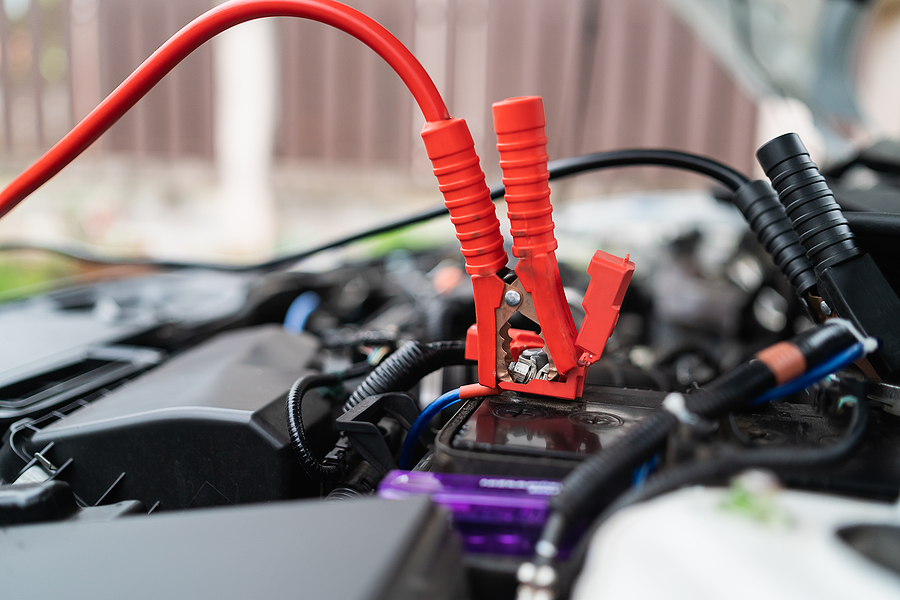
A dead car battery is perhaps the most frustrating automotive issue you’ll encounter. Your car simply won’t start, leaving you stranded until you can get a jump-start or replacement.

Several factors can drain your battery completely. Leaving your headlights, interior lights, or radio on when the engine isn’t running will slowly deplete your battery’s charge. Extreme temperatures, both hot and cold, can also cause batteries to lose their ability to hold a charge effectively. Additionally, as batteries age beyond their typical three to five-year lifespan, they naturally lose capacity.

If you find yourself with a dead battery, jump-starting is often the immediate solution. However, if your battery repeatedly dies, it’s likely time for a replacement. A battery that can’t hold a charge after jump-starting has reached the end of its useful life.

Slow Cranking

When you turn your key and hear your engine turning over more slowly than usual, your battery is sending you an early warning signal. This sluggish cranking sound indicates that your battery doesn’t have enough power to turn the starter motor at full speed.

Slow cranking typically occurs when your battery’s voltage drops below optimal levels. This can happen due to age, cold weather, or a charging system that isn’t properly maintaining your battery. Pay attention to this warning sign—it often appears weeks or even months before complete battery failure.

The solution depends on the underlying cause. If cold weather is the culprit, your battery may perform normally once temperatures rise. However, if slow cranking persists in moderate temperatures, consider having your battery tested and potentially replaced before it leaves you stranded.

Corrosion

Battery terminal corrosion appears as a white, blue, or greenish buildup around the metal terminals where your battery cables connect. This corrosion occurs when battery acid vapors escape and react with the metal components, creating a crusty substance that can interfere with electrical connections.

Corrosion reduces the efficiency of your electrical system and can eventually prevent your car from starting. The buildup creates resistance in the connection, reducing the amount of power flowing from your battery to your starter and other electrical components.

Cleaning corrosion is straightforward but requires safety precautions. Always wear gloves and eye protection when handling car battery maintenance. Disconnect the battery cables (negative terminal first), then clean the terminals with a mixture of baking soda and water. Use an old toothbrush to scrub away the buildup, then rinse with clean water and dry thoroughly before reconnecting the cables.

Swollen Battery

A swollen or bloated battery case is a serious problem that requires immediate attention. This swelling occurs when excessive heat causes the battery’s internal components to expand, or when the battery is overcharged repeatedly.

High temperatures under the hood, especially during summer months, can cause battery cases to expand. Faulty charging systems that overcharge the battery can also lead to swelling. A swollen battery is often a sign of internal damage and should be replaced promptly.

Never attempt to use a visibly swollen battery, as it may leak acid or even rupture. Replace it immediately and have your charging system checked to prevent the same problem from occurring with your new battery.

Book Your Next Service Today!

Car Battery Replacement Options

When your battery reaches the end of its life, you’ll need to decide between purchasing a used car battery or investing in a new car battery. Each option has distinct advantages and considerations.

Used Car Batteries

Used car batteries offer an economical solution for drivers on a tight budget. Typically priced between $50 and $150, depending on the model and any remaining warranty, they can provide temporary relief when money is tight.

However, used car battery purchases come with uncertainty. You may not know the battery’s history, how it was maintained, or how much life remains. Used batteries usually carry limited warranties, often ranging from 30 to 90 days, which may only cover basic functionality rather than performance issues related to age.

Consider a used car battery if you’re driving an older vehicle that may not justify the investment in a new battery, or if you need a temporary solution while saving for a better replacement.

New Car Batteries

New car batteries represent the most reliable long-term investment for your vehicle. Priced between $100 and $300, depending on the brand, type, and warranty options, they offer peace of mind and predictable performance.

Popular brands like Duracell, DieHard, Duralast, and Napa provide quality options with comprehensive warranties. New car batteries typically come with warranties ranging from one to three years, with some brands offering pro-rated warranties extending up to five years.

When selecting a new battery, consider the type that best fits your needs. Lead-acid batteries remain the most common and affordable option for most vehicles. AGM (Absorbed Glass Mat) batteries offer superior performance and longer life but cost more initially. Lithium-ion batteries provide the latest technology with excellent performance but come with the highest price tag.

Professional installation typically costs an additional $20 to $50, though many retailers offer free installation with purchase. Factor in disposal fees for your old battery, which most shops will handle as part of the replacement process.

Preventative Car Battery Maintenance

Regular maintenance can significantly extend your battery’s life and prevent unexpected failures. Simple checks and proper care habits will save you money and inconvenience.

Inspect your battery terminals monthly for signs of corrosion. Clean any buildup immediately using the baking soda solution method described earlier. Ensure your battery is securely mounted in its tray to prevent vibration damage, which can shorten battery life significantly.

Check your battery’s voltage periodically, especially before long trips or during extreme weather conditions. A healthy battery should read around 12.6 volts when the engine is off. Many auto parts stores offer free battery testing if you don’t own a multimeter.

Your driving habits also affect battery longevity. Limit short trips when possible, as they don’t allow your alternator enough time to fully recharge the battery. If you don’t drive frequently, consider using a battery tender or maintainer to prevent the natural discharge that occurs when vehicles sit unused.

Car battery fluid levels should be checked in serviceable batteries. If levels are low, add distilled water carefully, avoiding overfilling. However, many modern batteries are sealed and don’t require fluid maintenance.

Safety First: Handling Car Batteries Properly

Working with car batteries requires attention to safety due to the presence of sulfuric acid and the potential for electrical hazards. Always wear safety glasses and gloves to protect against acid splashes and harmful fumes.

Ensure your vehicle is turned off with keys removed before beginning any battery work. When disconnecting cables, always remove the negative terminal first to prevent electrical shorts. Work in a well-ventilated area, as batteries can emit dangerous gases.

Never smoke or bring open flames near a battery, as hydrogen gas can accumulate and create an explosion risk. If you’re uncomfortable performing battery maintenance yourself, don’t hesitate to seek professional help.

Conclusion

Understanding car battery problems empowers you to maintain your vehicle’s reliability and avoid unexpected breakdowns. Regular inspection, proper maintenance, and timely replacement when necessary will keep you on the road with confidence.

Whether you choose a used car battery for budget-conscious relief or invest in a new car battery for long-term reliability, addressing battery issues promptly prevents more costly problems down the road. Remember that your battery is just one component of your vehicle’s charging system—if you’re experiencing repeated battery failures, have your alternator and charging system inspected as well.

Don’t wait for your battery to leave you stranded. Schedule a battery checkup with Northeast Auto Service to ensure your vehicle starts reliably every time you turn the key.

Schedule a Battery Check-Up Now!

Related Post: How to Choose the Perfect Car Battery: A Step-by-Step Guide

Why Your Car Stalls and What To Do About It

Car stalling feels like a nightmare scenario for any driver. One moment you’re cruising down the road, and the next, your engine suddenly cuts out, leaving you stranded and frustrated. Whether it happens at a traffic light, on the highway, or in your driveway, a stalling car creates immediate stress and raises questions about safety and repair costs.

Car stalling occurs when your engine stops running unexpectedly, and it’s more common than you might think. Understanding why your car stalls and knowing how to respond can save you time, money, and potentially dangerous situations. While some causes require professional attention, others can be diagnosed and even resolved with basic troubleshooting skills.

This guide will walk you through the most frequent reasons behind car stalling, simple checks you can perform yourself, and when it’s time to seek professional help. You’ll also discover practical prevention strategies to keep your vehicle running smoothly and avoid future stalling incidents.

Call 317-475-1846 to Schedule an Inspection for Car Stalling in Indianapolis

Common Causes of Car Stalling

Fuel System Problems

Your engine needs a steady supply of clean fuel to run properly. When this system fails, stalling becomes inevitable. Clogged fuel injectors rank among the most frequent culprits. These components spray fuel directly into your engine’s combustion chambers, and when dirt or debris blocks them, your engine can’t get the fuel it needs to maintain power.

A failing fuel pump creates similar problems by reducing fuel pressure throughout the system. You might notice your car struggling to accelerate or running roughly before it stalls completely. Additionally, a dirty fuel filter can restrict fuel flow, particularly noticeable when your engine demands more power during acceleration or climbing hills.

Certain vehicles experience fuel system issues more frequently. Older Honda Civics, particularly those from the late 1990s and early 2000s, often develop fuel pump problems that lead to stalling. The Ford F-150, especially in older models, can experience fuel injector issues that cause irregular engine performance and eventual stalling.

Electrical System Malfunctions

Modern vehicles rely heavily on electrical components to function properly. When these systems fail, your engine may stall without warning. A weak or failing battery can cause intermittent stalling, particularly if it can’t provide consistent power to essential engine components.

Faulty sensors also create stalling problems. The Mass Airflow Sensor (MAF) measures the amount of air entering your engine, helping the computer determine the correct air-fuel mixture. When this sensor fails, your engine receives incorrect information, leading to poor performance and stalling. Similarly, a malfunctioning crankshaft position sensor can prevent your engine from running altogether.

Bad spark plugs or ignition coils create misfiring that can progress to complete engine shutdown. These components generate the spark needed to ignite fuel in your engine’s cylinders, and when they fail, your engine loses power gradually before stalling.

Air and Vacuum System Issues

Your engine needs the right balance of air and fuel to operate correctly. Vacuum leaks occur when unintended air enters your engine’s intake system, disrupting this balance. These leaks can develop in vacuum hoses, intake manifold gaskets, or throttle body connections, causing erratic idle and eventual stalling.

A dirty or faulty idle air control valve also contributes to stalling problems. This component regulates airflow when your engine idles, and when it malfunctions, your engine may struggle to maintain proper idle speed, particularly when coming to a stop.

The Ford Focus from the early 2000s commonly experiences issues with the idle air control valve, leading to stalling problems that worsen over time if left unaddressed.

Exhaust System Blockages

While less common, exhaust system problems can cause stalling. A blocked catalytic converter prevents exhaust gases from exiting your engine properly. This component reduces harmful emissions by converting pollutants into less toxic substances, but when it becomes clogged, it creates back-pressure that can stall your engine.

Schedule a Free Car Inspection Today!

DIY Checks You Can Perform

Basic Visual Inspection

Start with simple observations that don’t require tools. Check your dashboard for warning lights that might indicate specific problems. Low fuel levels can cause stalling, particularly on hills or during sudden acceleration, so verify your fuel gauge readings.

Pop your hood and look for obvious issues like loose or disconnected wires, cracked hoses, or signs of fluid leaks. Listen to your engine while it runs—unusual noises like clicking, grinding, or irregular rhythm can provide clues about potential problems.

Simple Diagnostic Steps

If your car stalls but restarts, pay attention to when the problem occurs. Does it happen when the engine is cold, hot, or at specific times like when braking or turning? These patterns help identify the root cause.

Try the basic restart procedure: turn your key to the off position, wait a few seconds, then restart. If your engine starts easily and runs normally afterward, you might be dealing with an intermittent electrical problem or sensor issue.

For those comfortable with basic car maintenance, check your air filter. A severely clogged filter restricts airflow to your engine and can contribute to stalling problems. The filter should appear relatively clean and white or off-white in color.

When to Use an OBD-II Scanner

Modern cars include sophisticated computer systems that monitor engine performance and store error codes when problems occur. An OBD-II scanner is a diagnostic tool that reads these error codes from your car’s computer, helping identify specific issues causing stalling problems.

These scanners plug into a port usually located under your dashboard near the driver’s left knee. Many auto parts stores offer free code reading services, or you can purchase a basic scanner for around $20-50. Common codes related to stalling include those indicating sensor failures, fuel system problems, or ignition issues.

Understanding these codes provides valuable information when discussing problems with a mechanic and can help you avoid unnecessary repairs.

When Professional Help Is Necessary

Complex System Repairs

Some car stalling causes require specialized tools, knowledge, and experience that go beyond DIY capabilities. Fuel system repairs, particularly those involving fuel injectors or fuel pump replacement, often require professional attention due to safety concerns and the precision required for proper installation.

Electrical system diagnostics can be particularly challenging without proper equipment. Modern cars contain dozens of sensors and control modules that interact in complex ways, making professional diagnosis essential for accurate problem identification.

Safety Considerations

Stalling on busy roads or highways creates immediate safety risks. If your car stalls in traffic, professional towing and repair services ensure your safety and prevent further damage to your vehicle. Additionally, some repairs involve working with pressurized fuel systems or electrical components that can be dangerous without proper safety equipment and procedures.

Cost-Effective Solutions

While professional repair costs might seem expensive initially, attempting complex repairs without proper knowledge can lead to additional damage and higher overall costs. Certified mechanics have the expertise to diagnose problems accurately the first time, potentially saving money compared to trial-and-error approaches.

Many repair shops offer diagnostic services that identify problems before authorizing repairs, allowing you to make informed decisions about necessary work.

Prevention Tips to Avoid Future Stalling

Regular Maintenance Schedule

Consistent maintenance prevents many stalling problems before they develop. Follow your vehicle’s recommended service schedule for oil changes, filter replacements, and system inspections. Clean fuel injectors and replace spark plugs at recommended intervals to maintain optimal engine performance.

Regular fuel system cleaning, either through additive treatments or professional services, helps prevent buildup that leads to stalling problems. Quality fuel from reputable stations also reduces the likelihood of contamination that can clog fuel system components.

Driving Habits That Help

Your driving style significantly impacts your car’s longevity and reliability. Avoid running your fuel tank extremely low, as this can damage your fuel pump and introduce sediment into your fuel system. Additionally, allow your engine to warm up briefly during cold weather before driving aggressively.

Pay attention to warning signs like rough idling, hesitation during acceleration, or dashboard warning lights. Addressing these early symptoms prevents more serious problems that could lead to stalling.

Wrapping Up

Car stalling problems range from simple fixes to complex system failures, but understanding the common causes empowers you to respond appropriately when issues arise. Whether you’re dealing with fuel system problems, electrical malfunctions, or air intake issues, early detection and proper diagnosis are key to cost-effective repairs.

Remember that some troubleshooting steps can be performed safely at home, while others require professional expertise for both safety and accuracy. Regular maintenance and attentive driving habits prevent many stalling problems before they develop into expensive repairs.

If your car is experiencing stalling problems or showing warning signs of potential issues, don’t wait for a complete breakdown. Schedule a diagnostic appointment with Northeast Auto Service in Indianapolis for expert assistance. Our team has the tools and experience to identify problems quickly and recommend the most cost-effective solutions.

Book Your Auto Service Now

Related Post: Top 4 Reasons Why Your Car Won’t Start

Ultimate Pickup Truck Maintenance Guide

Your pickup truck is more than just a vehicle—it’s your reliable partner for work, adventure, and daily life. Whether you’re hauling equipment to a job site or heading out on a weekend camping trip, you depend on your truck to perform when you need it most. But like any hardworking machine, your truck requires routine care to deliver its best performance. Regular truck maintenance isn’t just about keeping your vehicle running—it’s about extending its lifespan, improving performance, enhancing safety, maintaining higher resale value, and reducing costly repair bills down the road.

This guide provides valuable insights for everyone. We’ll walk you through a complete maintenance schedule that will keep your pickup truck running smoothly for years to come, explain why each task matters, and help you understand when to handle maintenance yourself versus when to seek professional truck repair services. Let’s dive in.

Call 317-475-1846 For Pickup Truck Auto Service in Indianapolis

Truck Maintenance 101

The difference between a truck that serves you faithfully for 200,000 miles and one that leaves you stranded on the roadside often comes down to one thing: consistent, proactive maintenance. Let’s explore how to give your truck the care it deserves.

Monthly Maintenance Tasks

Establishing a monthly maintenance routine creates the foundation for long-term truck health. These quick checks take less than 30 minutes but can prevent major problems and costly repairs.

Check Tire Pressure and Tread Depth

Your tires are your truck’s connection to the road, making them critical for safety and performance. Check tire pressure when tires are cold, preferably in the morning before driving. The recommended pressure is typically found on a sticker inside the driver’s door frame or in your owner’s manual.

For trucks like the Ford F-150, Chevrolet Silverado, and Ram 1500, proper tire pressure usually ranges from 35-65 PSI, depending on your specific model and tire size. Underinflated tires reduce fuel efficiency and cause premature wear, while overinflated tires can lead to blowouts and poor traction.

Inspect tread depth using the penny test: insert a penny into the tread with Lincoln’s head facing down. If you can see the top of Lincoln’s head, it’s time for new tires. Adequate tread depth ensures proper traction, especially important for pickup trucks that often encounter challenging driving conditions.

Inspect Fluid Levels

Your truck relies on various fluids to operate smoothly. Check these essential fluids monthly:

  • Engine Oil: Use the dipstick to verify oil level falls between the minimum and maximum marks. Dark, gritty oil needs changing soon.
  • Coolant: Check the reservoir when the engine is cool. Low coolant levels can lead to overheating and engine damage.
  • Brake Fluid: Low brake fluid may indicate worn brake pads or a leak in the brake system.
  • Power Steering Fluid: Low levels can cause difficult steering and pump damage.
  • Windshield Washer Fluid: Essential for maintaining visibility, especially during long drives.

Examine All Lights

Proper lighting is crucial for safety and legal compliance. Test headlights, taillights, brake lights, turn signals, and hazard lights monthly. Replace burned-out bulbs immediately, as they’re inexpensive fixes that prevent accidents and traffic citations.

Contact Us for Truck Repair and Service

Quarterly Maintenance: Every 3 Months or 3,000 Miles

These tasks require more attention but are essential for maintaining your truck’s performance and preventing major mechanical issues.

Change Engine Oil and Filter

Regular oil changes are the most important maintenance task for your pickup truck. Fresh oil lubricates engine components, reduces friction, and carries away contaminants. The Ford F-150, Chevrolet Silverado, and Ram 1500 typically require 5-8 quarts of oil, depending on engine size.

Consider using synthetic oil for improved engine protection and extended oil change intervals, especially if you use your truck for heavy-duty work or drive in extreme climate conditions. Synthetic oil provides better protection at high temperatures and flows more easily in cold weather.

Inspect Belts and Hoses

Engine belts drive critical components like the alternator, water pump, and air conditioning compressor. Look for cracks, fraying, or glazing on belt surfaces. Hoses carry coolant, oil, and other fluids throughout your truck. Check for swelling, cracking, or soft spots that indicate deterioration.

Replace worn belts and hoses before they fail. A broken serpentine belt can leave you stranded, while a failed coolant hose can cause engine overheating and expensive damage.

Semi-Annual Maintenance: Every 6 Months or 6,000 Miles

These tasks help maintain your truck’s handling, braking, and overall safety.

Rotate Tires

Tire rotation promotes even wear and extends tire life. Front tires typically wear faster due to steering and braking forces. Follow your truck’s recommended rotation pattern, usually found in the owner’s manual.

For most pickup trucks, the standard rotation pattern moves front tires straight back and rear tires to the opposite front positions. This simple maintenance task can significantly extend tire life and improve traction.

Inspect Brake Pads and Rotors

Brakes are your truck’s most important safety system. Look through the wheel spokes to check brake pad thickness. Most pads have wear indicators that squeal when replacement is needed. Inspect rotors for scoring, cracking, or excessive wear.

Given the weight and towing capacity of trucks like the F-150, Silverado, and Ram 1500, brake maintenance is especially critical. These vehicles work harder and generate more heat during braking, making regular inspections essential.

Check Suspension Components

Pickup trucks endure significant stress from hauling loads and navigating rough terrain. Inspect shock absorbers, struts, and suspension bushings for leaks, damage, or excessive wear. Worn suspension components affect ride quality, handling, and tire wear.

Get Expert Truck Service at an Affordable Price!

Annual Maintenance: Every 12 Months or 12,000 Miles

These yearly tasks help maintain your truck’s efficiency and prevent system failures.

Replace Air Filter and Cabin Air Filter

A clean air filter ensures proper airflow to the engine, which can improve fuel efficiency and performance. The cabin air filter keeps the air inside your truck clean and fresh. Both filters are relatively inexpensive and easy to replace.

Dirty air filters restrict airflow, reducing performance and fuel economy. In dusty conditions or if you frequently drive on unpaved roads, you may need to replace these filters more frequently.

Inspect and Clean Battery Terminals

Periodically inspect and clean battery terminals to prevent corrosion and ensure proper electrical connections. Corrosion appears as a white, chalky substance around battery terminals. Clean terminals with a wire brush and apply petroleum jelly to prevent future corrosion.

A failing truck battery can leave you stranded, especially during extreme weather. Most truck batteries last 3-5 years, but regular maintenance can extend their lifespan.

Check and Adjust Wheel Alignment

Proper wheel alignment ensures even tire wear and optimal handling. Signs of misalignment include uneven tire wear, pulling to one side while driving, or a crooked steering wheel when driving straight.

Pickup trucks are particularly susceptible to alignment issues due to their weight and the loads they carry. Regular alignment checks help maximize tire life and improve fuel efficiency.

Long-Term Maintenance: Major Service Intervals

These high-mileage services address wear items and systems that require periodic attention.

30,000-Mile Service

  • At 30,000 miles, consider replacing spark plugs if your truck has a gasoline engine. Modern plugs last longer than older designs, but replacement ensures optimal performance and fuel efficiency.
  • Inspect and service the transmission, including fluid changes. Transmission fluid lubricates and cools internal components. Dark, burned-smelling fluid indicates the need for immediate attention.
  • Flush and replace coolant to prevent corrosion and maintain proper engine temperature. Old coolant loses its protective properties and can cause expensive engine damage.

60,000-Mile Service

  • Replace brake pads and rotors if needed. Heavy-duty use and towing may require more frequent brake service. Inspect and service the differential, which transfers power from the transmission to the wheels.
  • Replace the fuel filter to ensure clean fuel reaches the engine. A clogged fuel filter can cause poor performance and potential engine damage.

100,000-Mile Service

  • Replace the timing belt if your truck has one. Timing belt failure can cause severe engine damage. Inspect and service the 4WD system, including transfer case fluid changes.
  • Replace hoses and belts that show signs of age or wear. Even if they appear functional, rubber components deteriorate over time and can fail without warning.

Additional Maintenance Tips for Pickup Truck Owners

Storage and Seasonal Considerations

If you store your truck for extended periods, use a fuel stabilizer in the gasoline to prevent fuel degradation. Fuel can become stale and cause starting problems or engine damage.

Chassis Maintenance

Check and lubricate chassis components such as ball joints, tie rod ends, and u-joints to maintain smooth operation and prevent premature wear. These components endure significant stress in pickup trucks, especially those used for towing or off-road driving.

Emergency Preparedness

Keep an emergency roadside assistance kit in your truck at all times. Include basic tools, jumper cables, a tire pressure gauge, and emergency supplies. Being prepared can turn a minor inconvenience into a manageable situation.

Documentation

If you handle maintenance yourself, keep detailed records of all maintenance and repairs. This documentation helps maintain warranty coverage and provides valuable information for future service needs. It also significantly increases resale value when you decide to sell your truck.

Final Thoughts

Your pickup truck is built to handle tough jobs and long miles, but only when properly maintained. The maintenance schedule outlined in this guide will help you maximize your truck’s lifespan, performance, and safety while minimizing unexpected breakdowns and costly repairs.

Remember that every maintenance task serves a purpose. Oil changes protect your engine, brake inspections ensure safety, and tire rotations extend tire life. These aren’t just suggestions—they’re investments in your truck’s future and your peace of mind.

Whether you’re comfortable performing basic maintenance yourself or prefer professional service, the key is consistency. Don’t wait for problems to develop. Proactive maintenance is always less expensive than reactive repairs.

If you’re ready to give your truck the professional care it deserves, schedule a maintenance appointment with a trusted mechanic today. Your Ford F-150, Chevrolet Silverado, or Ram 1500 will reward you with years of reliable service when you commit to proper maintenance.

For professional truck maintenance and repair in Indianapolis, contact Northeast Auto Service today to schedule your appointment. Our experienced technicians understand pickup trucks and will help keep your vehicle running strong for years to come.

Click Here to Book Your Service

Related Post: Automotive Maintenance 101 for Trucks

Clear Signs Your Car Engine Is Malfunctioning

A healthy car engine is the heart of any vehicle. It powers every trip, ensures smooth operation, and keeps you safe on the road. But what happens when it starts showing signs of trouble? Recognizing the early warning signs of a malfunctioning car engine could save you from costly repairs and unexpected breakdowns. 

This guide explores the most common symptoms of engine trouble, providing practical insights for car owners and actionable advice to keep your vehicle in top shape. 

Call 317-475-1846 When You Need Trusted Car Engine Repair in Indianapolis

Detecting Car Engine Problems

Unusual Noises: When Your Engine Cries for Help 

Your engine has its own way of communicating through sound, and unusual noises often signal underlying issues. Here are the most common ones to watch out for: 

Knocking: A knocking noise coming from your engine could indicate problems like worn-out bearings or improper combustion in the cylinders. For example, older Ford F-150 models often experience “rod knock,” which typically requires major engine work costing between $2,500 and $5,000. 

Ticking: A ticking sound, commonly heard in vehicles like the Toyota Camry, can point to valve issues or low oil pressure. Addressing this issue might involve valve adjustment or oil level correction, costing between $200 and $500. 

Hissing: A hissing noise could mean a vacuum leak or coolant escaping from the engine’s radiator. This requires immediate attention, as it may lead to overheating and further engine damage. 

Ignoring these noises can worsen the problem, leading to expensive repairs or even engine replacement. 

Decreased Fuel Efficiency: Watch Your MPG 

Have you noticed you’re visiting the gas station more often than usual? A drop in fuel efficiency is often linked to engine performance issues. Common culprits include clogged fuel injectors, a malfunctioning oxygen (O2) sensor, or dirty air filters. 

For instance, a Toyota Camry with a faulty oxygen sensor may experience decreased miles per gallon (MPG), costing you an extra $200–$500 annually in fuel. Replacing the oxygen sensor usually costs around $150–$300 but will quickly pay off in fuel savings. 

Be proactive about addressing reduced MPG. Routine maintenance, such as cleaning or replacing filters, can often fix this issue before it escalates. 

Rough Idling: When Your Car Feels Jumpy 

Does your car feel rough, shaky, or unstable when idling? Rough idling can stem from a variety of engine problems, including dirty fuel injectors, a clogged throttle body, or spark plug issues. 

For example, Honda Civics commonly experience rough idling due to a dirty throttle body. Cleaning it is a simple fix and typically costs around $150–$300. 

Left unaddressed, rough idling could lead to more significant engine failures down the line. 

Looking for Major Engine Work in Indy?

Check Engine Light: Don’t Ignore It 

We’ve all been tempted to ignore that glowing orange light on the dashboard, but the check engine light is one of the most obvious indicators of car engine problems. 

While it can signify minor issues, like a loose gas cap, it also warns of more serious concerns, such as failing sensors or even cylinder misfires. A Jeep Wrangler, for example, might display the check engine light due to a faulty crankshaft position sensor, which costs around $200–$400 to replace. 

If your check engine light comes on, don’t panic. Schedule engine diagnostics as soon as possible to identify and address the issue before it worsens. 

Smoke from the Exhaust 

Your car’s exhaust smoke can reveal a lot about the health of your engine. Here are common colors to look out for and what they mean: 

  • White Smoke: Often indicates a coolant leak, which can overheat your engine if left untreated. 
  • Blue Smoke: Signals burning oil, possibly due to worn-out piston rings or valve seals. 
  • Black Smoke: Points to a fuel mixture that’s too rich, caused by issues like a clogged air filter or a malfunctioning fuel injector. 

For example, Jeep Wranglers are prone to overheating due to radiator blockages, often accompanied by white exhaust smoke. Repair costs for these issues typically range from $250 to $800, depending on severity. 

Additional Warning Signs of a Malfunctioning Engine 

While the above symptoms cover the most common signs, here are a few more to watch out for: 

  • Difficulty Starting the Engine: Could indicate battery, starter motor, or fuel delivery issues, costing $300–$1,000 to repair. 
  • Stalling: A common issue in Jeep Wranglers, stalling can result from a faulty crankshaft position sensor, costing around $200–$400 to fix. 
  • Overheating: Caused by issues like coolant leaks or a malfunctioning thermostat. Overheating must be addressed immediately to prevent permanent engine damage, with potential repair costs starting at $500. 
  • Loss of Power: A noticeable decrease in acceleration can be due to worn spark plugs or a clogged fuel filter, repairs generally ranging from $150–$500. 
  • Unusual Smells: Burning oil or coolant smells often suggest leaks. For example, Ford F-150 models may emit such odors when seals or gaskets fail. Repairs can range from $200 to $1,200 based on severity. 

These additional scenarios can escalate quickly, so early intervention is crucial to avoiding costly repairs. 

Preventative Maintenance Tips to Protect Your Engine 

Taking care of your engine proactively can save you thousands of dollars in repairs down the road. Here’s how to keep your engine running smoothly: 

  • Regular oil changes (stick to the manufacturer’s schedule). 
  • Replace air, fuel, and oil filters regularly. 
  • Monitor coolant levels to avoid overheating. 
  • Inspect belts and hoses for cracks or leaks. 
  • Use high-quality fuel and additives to keep your system clean. 
  • Schedule routine inspections with a trusted mechanic, like Northeast Auto Service. 

Key Takeaways and Next Steps 

A malfunctioning car engine can quickly turn into a major headache if not addressed in time. By staying alert to warning signs like unusual noises, reduced fuel efficiency, or rough idling, you can catch problems early and save yourself from costly repairs or replacements. 

If you’ve noticed any of the issues listed above or want to get ahead of potential problems, schedule a car engine diagnostic today. The trusted professionals at Northeast Auto Service in Indianapolis can provide expert solutions to keep your engine in optimal condition. 

Book Engine Diagnostics Now

Related Post: Breaking Down the Process: A Comprehensive Guide to Car Engine Failure

Understanding Car Sensors and How They Keep Your Vehicle Running Smoothly 

Sensors are the unsung heroes of modern vehicles. From ensuring your engine runs efficiently to preventing accidents, these small yet powerful devices play a critical role in almost every aspect of your car’s performance and safety. But how well do you really know your car’s sensors? 

If you’re a DIY car enthusiast or simply curious about how your vehicle works, this guide breaks down the various types of car sensors, how they work, and how to troubleshoot common issues. We’ll also explore the evolving world of sensor technology that’s shaping the future of driving. 

Contact Our Indianapolis Car Repair Shop at 317-475-1846 Today!

Why Car Sensors Are Important 

Car sensors collect real-time data from various vehicle systems to ensure they’re functioning properly. They relay this information to your car’s Electronic Control Unit (ECU), allowing the vehicle to make precise adjustments for optimal performance. 

Imagine these sensors as the eyes, ears, and touch of your vehicle, helping it monitor everything from engine health to wheel speed. Without them, you’d be driving blind to potential issues, risking your car’s performance, safety, and fuel efficiency. 

Types of Car Sensors 

Oxygen Sensors 

Oxygen sensors monitor the amount of oxygen in the exhaust gases coming out of your engine. They help the ECU determine the proper air-to-fuel ratio for combustion, which directly impacts fuel efficiency and emissions. 

Technical Details: 

  • Type: Typically resistive or electrochemical
  • Operating Voltage Range: 0.1V to 0.9V (voltage signal fluctuates based on oxygen levels in exhaust gases)
  • Response Time: Under 100 milliseconds

Troubleshooting Tips: 

  • Check for corrosion or physical damage on the sensor.
  • Use a multimeter to test the sensor’s voltage output.
  • Scan for diagnostic trouble codes (DTCs) related to oxygen sensor failures.

Suggested Brands:

  • Bosch
  • Denso 

Mass Airflow (MAF) Sensors 

MAF sensors measure the amount of air entering the engine. This is essential for the ECU to calculate the correct amount of fuel to inject, ensuring efficient combustion. 

Technical Details: 

  • Type: Typically hot-wire or film-based
  • Signal Output: Analog voltage or frequency signal
  • Operating Voltage Range: 5V

Troubleshooting Tips: 

  • Clean the sensor’s element using MAF cleaner.
  • Inspect for air leaks in the intake system.
  • Use a multimeter to measure the voltage output while the engine is idle and during acceleration.

Suggested Brands:

  • Delphi
  • Bosch 

Crankshaft Position Sensors 

This sensor monitors the position and rotational speed of the crankshaft, allowing the ECU to control ignition timing and fuel injection

Technical Details: 

  • Type: Inductive or Hall effect
  • Signal Output: Pulsed signal or analog voltage
  • Operating Temperature Range: -40°C to 150°C

Troubleshooting Tips: 

  • Use an oscilloscope to check the pulse signal.
  • Test the sensor’s resistance with a multimeter.
  • Verify the alignment and placement of the sensor.

Suggested Brands:

  • Denso
  • Delphi 

ABS (Anti-Lock Braking System) Sensors 

ABS sensors monitor the rotational speed of each wheel, preventing wheel lockup during braking. This improves control and reduces braking distance. 

Technical Details: 

  • Type: Magnetic or Hall effect
  • Signal Output: Digital or analog pulsed signal

Troubleshooting Tips: 

  • Inspect the sensor for contamination, such as dirt or metal shavings.
  • Measure the sensor’s resistance and voltage output with a multimeter.
  • Scan for DTCs related to the ABS system.

Suggested Brands:

  • Bosch
  • Delphi 

Speed Sensors 

Speed sensors measure how fast your vehicle is traveling. They support systems like cruise control, ABS, and speedometers. 

Technical Details: 

  • Type: Magnetic or Hall effect
  • Signal Output: Analog or digital pulse signal
  • Operating Voltage Range: 5V

Troubleshooting Tips: 

  • Inspect for physical damage or loosely connected wires.
  • Test the sensor’s resistance and output signal using a multimeter.
  • Monitor the sensor’s output while driving.

Book Your Next Service Today

How Car Sensors Work Together 

Automotive sensors don’t function in isolation. They work as a team, providing complementary data to ensure your vehicle runs smoothly. For example, the MAF sensor measures airflow, while the oxygen sensor cross-checks combustion efficiency. The ECU uses data from both to adjust fuel injection and optimize engine performance. 

When even one sensor fails, it can affect multiple systems. A faulty oxygen sensor could lead to unburned fuel in the exhaust, damaging the catalytic converter. Recognizing interdependencies can help you diagnose and resolve issues more effectively. 

Common Problems and Troubleshooting 

Vehicle sensors can wear out over time or fail due to contamination, electrical issues, or mechanical damage. Here’s how to approach common problems in a structured way: 

  • Check Dashboard Warning Lights: Sensors often trigger warning lights on your dashboard when there’s a malfunction.
  • Scan for DTCs: Use an OBD-II scanner to identify fault codes.
  • Inspect Wiring and Connectors: Many sensor-related issues stem from loose or corroded connections.
  • Monitor Sensor Signals: Tools like multimeters and oscilloscopes help you verify sensor performance.

Future Trends in Car Sensor Technology 

The next generation of vehicle sensors will enhance safety, performance, and convenience even further. Key advancements include: 

  • AI Integration: Algorithms that analyze sensor data for predictive maintenance.
  • Wireless Sensors: Simplified design with reduced wiring complexity.
  • Sensor Fusion: Combining data from LiDAR, radar, and ultrasonic sensors to support autonomous driving.
  • Self-Diagnostics: Sensors that detect and correct errors automatically.
  • Enhanced Materials: Sensors capable of functioning in extreme conditions, such as high temperatures and pressures.

These innovations will not only improve current vehicle functionality but also pave the way for autonomous driving systems that rely heavily on accurate sensor data. 

Start Diagnosing with Confidence 

Understanding your car’s sensors can make you a more informed driver or DIY enthusiast. Whether it’s for troubleshooting a warning light or preparing your car for the future, knowing how sensors work is essential. 

If sensor-related issues leave you scratching your head, don’t hesitate to reach out. At Northeast Auto Service, our professional car diagnostics and repair services can get your vehicle back in shape quickly and efficiently.

Contact Us Now for Service

Related Post: When Your Car’s Sensors Go Haywire: What You Need to Know and How to Fix It

Poor Fuel Economy? Solve it Now! 

Are you finding yourself visiting the gas station more often than you’d like? Poor fuel economy can be a frustrating and costly problem for car owners. Whether it’s the constant strain on your budget or the inconvenience of refueling frequently, high fuel consumption affects every aspect of your driving experience. Worse still, it contributes to increased carbon emissions, making it harmful to the environment. 

Fortunately, you can take steps to improve your car’s fuel efficiency and save money. This guide will explore the common causes of poor fuel economy, actionable maintenance tips, smart driving techniques, and when to ask for professional diagnostic help. Stick with us, and you’ll learn how to reduce trips to the gas station while keeping your vehicle in top shape.

Call 317-475-1846 When You Need Affordable Car Maintenance Service in Indianapolis

Common Causes of Poor Fuel Economy 

Fixing poor fuel economy starts by understanding the root causes. Here are some of the most common culprits behind subpar gas mileage: 

1. Driving Habits 

Aggressive driving—including rapid acceleration and frequent hard braking—is one of the primary reasons for excessive fuel consumption. For example, studies have shown that aggressive driving can lower your gas mileage by up to 30% on the highway and 40% in stop-and-go traffic. 

2. Tire Pressure 

Underinflated tires are a lesser-known but serious contributor to poor fuel efficiency. Low tire pressure increases rolling resistance, forcing your engine to work harder. Even being just a few PSI below recommended levels can significantly impact gas mileage. 

3. Engine Problems 

A poorly tuned engine, failing spark plugs, or clogged fuel injectors can dramatically affect your car’s performance and fuel economy. For instance, a common issue in older vehicles like the Toyota Corolla (pre-2010 models) is carbon buildup in the engine, which leads to reduced efficiency. 

4. Weight and Aerodynamics 

Carrying excessive weight or using roof racks hinders aerodynamics, making it harder for your vehicle to overcome wind resistance. This can lead to a measurable decrease in miles per gallon (MPG). 

5. Maintenance Neglect 

Skipping regular oil changes, ignoring dirty air filters, or overlooking fuel system cleaning will lead to inefficiencies over time. These small maintenance lapses add up, reducing your car’s overall fuel efficiency. 

Book Your Next Auto Service Today!

Top Maintenance Tips for Better Fuel Economy 

Regular car maintenance is crucial for optimizing gas mileage. Follow these expert tips to ensure your vehicle operates at peak efficiency: 

  • Check Tire Pressure Weekly: Use a reliable gauge like those from Accutire to ensure your tires are inflated to the recommended PSI.
  • Change Your Oil Regularly: Opt for high-quality full synthetic oils like Mobil 1 or Castrol to reduce friction and improve engine efficiency.
  • Replace Air Filters as Needed: Dirty air filters restrict airflow, forcing the engine to work harder. Invest in high-quality brands like K&N for improved air circulation.
  • Use Fuel System Cleaners: Remove deposits from your fuel injectors with products like Sea Foam, which can restore lost MPG over time.
  • Inspect Your Spark Plugs: Faulty spark plugs can reduce fuel efficiency by up to 30%. Replace them as specified in your car’s manual.

Driving Techniques to Reduce Fuel Consumption 

Your driving style has a significant impact on fuel economy. Small changes can lead to big savings in the long run. 

1. Drive Smoothly 

Accelerate gently and maintain a steady speed whenever possible. Avoid hard braking unless necessary, as smooth driving helps optimize fuel usage. 

2. Use Cruise Control 

Cruise control can help maintain a consistent speed, especially on highways, improving fuel efficiency by up to 14%. However, avoid using it on uneven terrains like hilly roads. 

3. Avoid Idling 

Idling wastes fuel unnecessarily. If you’re parked or waiting for more than 60 seconds, it’s more efficient to turn off your engine and restart it when ready to move. 

4. Limit Air Conditioning 

Running your air conditioner places additional strain on your engine. Use it sparingly, and consider “vent” modes or rolling down your windows at lower speeds. 

5. Plan Your Trips 

Combine errands to minimize driving distance and avoid peak traffic times whenever possible. This will reduce stop-and-go driving, which harms fuel economy. 

Advanced Diagnostics and When to Seek Professional Help 

Sometimes, addressing poor fuel economy is beyond regular maintenance and better driving habits. Here’s how to know when it’s time to seek professional assistance:

When You Need an Expert 

  • Check Engine Light is On: A persistent check engine light could indicate inefficient combustion or other fuel-related issues.
  • Worsening Fuel Economy: If your gas mileage continues to drop despite following best practices, there may be an underlying issue like a failing oxygen sensor or mass airflow sensor.
  • Unusual Sounds or Smells: Strange noises, vibrations, or odors could signify deeper engine problems.

Advanced Diagnostics at a Repair Shop 

Professionals use advanced tools to diagnose car issues that might not be visible otherwise. For example, an engine diagnostic test can identify problems with fuel injectors, oxygen sensors, or exhaust systems. Additionally, they can recommend tailored solutions for cars with a specific history of fuel economy issues (e.g., Ford EcoBoost engines). 

Remember, timely inspections not only save fuel but also prevent more costly repairs down the road. 

Take Control of Your Fuel Economy 

Poor fuel economy doesn’t have to be a constant struggle. By understanding the causes, following a proactive maintenance routine, and adjusting your driving habits, you can reduce your fuel consumption, save money, and lessen your environmental impact. 

If your car’s fuel efficiency still leaves you frustrated, it might be time to bring in the experts. Schedule a maintenance checkup with Northeast Auto Service today and ensure your vehicle is in top condition. Together, we can help you maximize your MPG and enjoy worry-free driving. 

Talk to an Expert Mechanic Now

Related Post: Drive Smart Save Big: Tips for Reducing Fuel Consumption

Troubleshooting Transmission Problems: Why Prompt Diagnostics Matter 

Your car’s transmission is the backbone of your vehicle; it ensures a smooth ride by controlling the power transferred from your engine to the wheels. Yet, many car owners overlook the importance of keeping their transmission in check, leading to costly inconveniences that could have been avoided. 

If you’ve experienced slipping gears in your Toyota Camry, rough shifting in your Ford F-150, or delayed engagement in your Honda Civic, you’re already familiar with how transmission issues can affect your driving experience. This guide will help you understand common transmission problems, recognize warning signs, and learn why prompt diagnostics and professional care are vital for your vehicle’s health. 

Call 317-475-1846 to Schedule a Transmission Inspection in Indianapolis Indiana

Common Transmission Problems You Should Know About 

Understanding transmission problems can save you from unexpected breakdowns and hefty repair bills. Here are some of the most common issues faced by drivers across different types of vehicles. 

Slipping Gears 

A slipping transmission makes your engine feel like it’s revving without gaining speed. Toyota Camry owners often report this issue, which can result from low transmission fluid levels or worn-out clutch components in manual transmissions. 

Rough Shifting 

Ford F-150 drivers may experience abrupt, jerky shifts between gears. This problem is typical in automatic transmissions and is often caused by a failing transmission control module or dirty transmission fluid. 

Transmission Fluid Leaks 

A transmission fluid leak often signals wear and tear in gaskets or seals. Without enough fluid, your transmission cannot function properly, leading to overheating and, eventually, failure. 

Delayed Engagement 

When your Honda Civic doesn’t move right after you shift into gear, it’s a sign of delayed engagement. This can result from a worn clutch in manual models or a faulty valve body in automatic transmissions. 

Noises or Strange Sounds 

Drivers of Jeep Grand Cherokees frequently report hearing grinding, clunking, or humming noises while driving. These noises might point to deteriorating gear mechanisms, issues with the driveshaft and U-joint, or a failing torque converter. 

Warning Signs That You Need Diagnostic Testing 

If you notice any of the following, don’t wait to act. These warning signs indicate that your transmission needs immediate attention to avoid costly repairs or, worse, complete transmission replacement. 

  • Burning Smell: Overheating fluids often emit a sharp, burning odor.
  • Leaking Fluids: Reddish, sweet-smelling puddles under your car are a clear sign of a transmission leak.
  • Dashboard Warning Lights: An illuminated transmission or check engine light can indicate multiple issues.
  • Unresponsive Gears: Difficulty shifting or staying in gear signals a serious problem.

Ignoring these signs can lead to further damage, increased repair costs, and even potential safety hazards on the road. 

Why Prompt Diagnostics Can Save You Time and Money 

Early detection of transmission problems is critical. Here’s why scheduling diagnostics at the first sign of trouble can make all the difference. 

Prevent Escalated Repairs

A minor issue like low transmission fluid can become a much larger and more expensive problem, such as driveline repair or complete transmission replacement, if not addressed immediately. 

Avoid Total Transmission Failure

Ignoring warning signs increases the likelihood of catastrophic failure. Addressing problems early preserves your vehicle’s reliability and reduces downtime. 

Increase Your Vehicle’s Lifespan

Routine car maintenance and prompt diagnostics protect vital components, ensuring your car remains roadworthy for years to come. 

Contact Us for Expert Transmission Diagnostics

Benefits of a Professional Transmission Inspection 

While DIY maintenance has its place, transmission care is best left to professionals, especially for issues as complex as driveshaft problems or clutch repair. Here’s why you should trust the experts at Northeast Auto Service for your transmission diagnostics and repair. 

Expertise You Can Rely On 

With nearly 30 years of experience, our ASE-certified mechanics specialize in diagnosing and repairing transmission issues in all makes and models, both foreign and domestic. 

Advanced Tools and Techniques 

Our shop is equipped with advanced diagnostic tools to quickly identify problems, whether you’re dealing with a manual transmission or a modern automatic CVT. 

Comprehensive Services 

From fluid refills to full transmission replacement, we offer a wide range of automotive repair services to keep your vehicle running smoothly. 

Peace of Mind 

With every repair, you get transparency, quality workmanship, and the assurance that safety always comes first. You’ll never have to worry about being overcharged or misled. 

FAQs About Transmission Problems 

1. What are the symptoms of a bad transmission? 

Slipping gears, rough shifting, delayed engagement, unusual noises, and leaking transmission fluid are common symptoms. A burning smell or warning lights on your dashboard also indicate transmission trouble. 

2. What can be mistaken for transmission problems? 

Low transmission fluid, faulty sensors, and engine or drivetrain issues can mimic transmission problems. Getting professional diagnostics can pinpoint the root cause. 

3. How much does it cost to fix a transmission? 

Repair costs depend on the severity of the issue. Minor fixes may cost around $300, while a complete transmission replacement can exceed $4,000. Acting early saves you money in the long run. 

4. Can transmission problems be fixed? 

Yes, transmission problems can typically be repaired, from minor clutch adjustments to detailed driveline repairs. Professional mechanics can assess and address issues with precision. 

Stay proactive with your car maintenance, and remember, Northeast Auto Service is here to help ensure smooth drives and stress-free commutes. 

In Summary

Taking care of your vehicle’s transmission is vital for its longevity and performance. By staying vigilant to signs of trouble and addressing them promptly, you can avoid costly repairs and keep your car running efficiently. Routine maintenance and seeking professional help when needed are the keys to safeguarding your investment. Drive confidently knowing your transmission is in good hands. 

At Northeast Auto Service, we take pride in offering reliable, expert care to keep you confident on the road. Trust us to help you maintain your vehicle’s reliability and ensure every drive is as smooth as possible.

Schedule Transmission Service Now

Related Post: Here’s How to Tell if Your Transmission is Failing

How to Increase the Lifespan of Your Car 

A car is more than just a way to get from point A to point B; for many, it’s an investment, a daily companion, and even an extension of their personality. Keeping your vehicle in top shape for years to come is not just about saving money on repairs; it’s about ensuring reliability, safety, and peace of mind. 

Wondering how to ensure your car runs smoothly for as long as possible? This guide will explore practical car maintenance tips, highlight budget-friendly strategies, and offer expert car longevity hacks to help you get the most out of your Toyota, GMC, Honda, KIA, Ford, Chevy, or any other car brand you love.

Call 317-475-1846 For Affordable Factory Scheduled Maintenance in Indianapolis Indiana

Routine Car Maintenance is the Key to Longevity 

Regular maintenance routines are the foundation of extending your car’s lifespan. Cars that stick to a consistent maintenance schedule are 30% less likely to break down. 

1. Oil Changes 

Your car’s engine relies on clean oil to run smoothly. Over time, oil breaks down and becomes less effective at lubricating engine parts, leading to wear and tear. 

  • How often? Check your owner’s manual, but as a rule of thumb, most cars need an oil change every 5,000 to 7,500 miles. 
  • What kind of oil? For newer models like Hondas or Kias, synthetic oil is often recommended for better performance. 

Skipping oil changes comes at a price. Neglecting this simple task can lead to costly engine repairs that far exceed the cost of regular oil replacement. 

2. Fluid Checks 

Your car relies on more than just fuel. Brake fluid, coolant, transmission fluid, and power steering fluid need regular monitoring and refills to keep essential systems functioning. 

  • Budget Tip: Use DIY fluid test kits to monitor levels and look for leaks before they escalate into expensive problems.

3. Tire Rotations 

Tires aren’t cheap, but proper tire maintenance can extend their lifespan by up to 50%. Rotate tires every 5,000–7,500 miles, check pressure regularly, and ensure they’re aligned to avoid uneven wear. 

  • Budget Tip: Many tire shops offer free rotations with a purchase of new tires. 
  • Pro Tip: Underinflated tires not only wear out faster but also lower your car’s fuel efficiency. 

Driving Habits Matter 

How you drive can significantly impact your vehicle’s lifespan. Adopting gentler, more mindful driving habits can reduce wear and tear on your engine, brakes, and tires while improving fuel efficiency. 

1. Gentle Acceleration and Braking 

Avoid rapid acceleration and aggressive braking whenever possible. Hard braking and quick starts put unnecessary strain on your engine and braking system. 

  • Why it matters: Smooth driving makes your brake pads and engine work less, saving money on repairs. 

2. Maintain Steady Speeds 

Keeping a consistent speed is not just good for fuel efficiency; it also reduces engine strain. Use cruise control on highways to help maintain a constant speed without unnecessary acceleration. 

3. Avoid Rough Roads 

Potholes and uneven surfaces do more than jolt your suspension. Over time, they contribute to tire damage, misaligned wheels, and even structural frame issues. 

  • Pro Tip: If rough roads are unavoidable, drive at a slower pace to minimize the impact. 

4. Travel Light 

Carrying unnecessary weight in your vehicle adds strain to your suspension and decreases fuel efficiency. Declutter your trunk and only carry essentials. 

Contact Us for Expert Auto Service

Proper Storage Tips 

Even when parked, your car needs care. Whether you’re protecting your vehicle from harsh winters or long summer days, proper storage ensures it’s ready to roll when you are. 

  • Park in a Garage: Minimize exposure to rain, snow, and UV rays that can cause rust, faded paint, and cracked interiors. 
  • Use a Car Cover: If a garage isn’t available, invest in a high-quality car cover for protection. 
  • Inflate Tires: Prevent flat spots during long periods of inactivity by inflating tires to the correct pressure. 
  • Fuel Stabilizer: Add a stabilizer to maintain fuel quality during extended storage. 
  • Disconnect the Battery: Or use a battery tender to keep it charged if you’re not driving for weeks at a time. 

Storage is especially important for luxury or seasonal vehicles. Chevy trucks, for example, often see extended use, and proper storage steps help sustain their rugged reliability. 

Address Issues Promptly 

Ignoring small problems allows them to snowball into bigger, more expensive repairs.   

  • Pay Attention to Warning Signs: If your car starts flashing dashboard warning lights or making unusual noises, address them right away. 
  • Don’t Ignore Strange Sounds: Squealing brakes, grinding noises, or clicking sounds under the hood are often early signs of trouble. 
  • Routine Diagnostics: Many auto shops and chain stores like AutoZone offer free diagnostics to pinpoint issues before they become major problems. 

Budget-Friendly Car Longevity Hacks 

Maintaining your car doesn’t have to break the bank. Here are some cost-effective strategies for keeping your car in top condition without overspending. 

  • DIY Maintenance – Tasks like checking tire pressure, topping off fluids, and replacing wiper blades can easily be done yourself. You’ll save on labor costs while staying more in tune with your car’s health. 
  • Shop Around for Parts and Service – Compare quotes from different mechanics or repair shops. Look for discounts and use online resources like RepairPal to estimate expected costs. 
  • Invest in Preventive Maintenance – While spending money on oil changes, tire rotations, and alignment may seem tedious, it ultimately saves you thousands in long-term repair costs. 
  • Fact to Remember: The average annual cost of car maintenance is $792, but neglecting it could lead to repair costs exceeding $2,000 annually. 

In Summary

Taking proactive steps to maintain your car doesn’t just extend “car lifespan”; it also brings peace of mind. From simple steps like gentle driving to consistent maintenance like oil changes and tire rotations, these tips ensure your Toyota, Ford, GMC, Honda, KIA, or Chevy serves you well for miles (and years) to come. 

If you’re ready to take the next step in preserving your car’s longevity, schedule a maintenance checkup with a trusted mechanic at Northeast Auto Service, today. A little care today can save you from major headaches tomorrow. 

Book Your Appointment Now

Related Post: Keep Your Ride Running Smoothly with These Essential Routine Maintenance Tips

The Hidden Dangers of Faulty Hoses and Gaskets in Your Car 

Your car’s hoses and gaskets might not be the most glamorous part of your vehicle, but they’re absolutely critical for keeping your engine running smoothly. These often-overlooked components play a vital role in everything from maintaining the right engine temperature to ensuring fuel efficiency. Faulty hoses and gaskets can turn into major headaches if ignored, potentially leading to costly repairs or even leaving you stranded on the side of the road. 

This post breaks down the most common car problems caused by faulty hoses and gaskets, how to spot early warning signs, and what you can do to maintain these components. Whether you drive a GMC, Toyota, Buick, an older Honda model, Ford truck, or a KIA, this guide has you covered. 

Call 317-475-1846 For Automotive Diagnostics & Repair in Indianapolis

Common Car Problems Caused by Faulty Hoses 

1. Overheating Due to Coolant Hose Leaks 

Coolant hoses carry antifreeze between the radiator and engine to regulate temperature. A damaged or leaking coolant hose can cause the engine to overheat, putting critical components at risk of failure. 

Symptoms to watch for: 

  • Steam rising from under the hood 
  • The temperature gauge climbing into the red zone 
  • Coolant puddling under your car 

Make sure to inspect hoses regularly for cracks, bulges, or leaks and replace them at the first sign of wear. Ignoring these signs could lead to expensive engine repair or even permanent damage. 

2. Reduced Engine Performance from Vacuum Hose Issues 

Vacuum hoses manage airflow in your engine, ensuring it operates efficiently. A leak in one of these hoses can throw off your engine’s air-to-fuel ratio, resulting in poor performance and uneven idling. 

Symptoms to watch for: 

  • Hissing noises from the engine 
  • Rough idling or stalling 
  • Engine warning light turning on 

If you suspect a vacuum hose issue, don’t wait. A quick visit to your mechanic for engine repair can prevent more significant problems down the line. 

3. Fuel Inefficiency Caused by Fuel Hose Problems 

Faulty fuel hoses can disrupt the flow of fuel to your engine, leading to reduced performance and lower gas mileage. Worse, they can cause fuel leaks, which pose a serious fire hazard. 

Symptoms to watch for: 

  • A noticeable gasoline smell  
  • Dripping fuel under the car 
  • Poor fuel efficiency 

Replacing worn-out fuel hoses can save money at the pump and reduce the risk of hazardous conditions. 

Schedule Car Repair Service in Indianapolis

Common Car Problems Caused by Faulty Gaskets 

1. Oil Leaks and Engine Damage from Head Gasket Failure 

The head gasket seals the engine’s cylinders to prevent oil and coolant from mixing. A failing head gasket can lead to oil leaks, reduced engine power, or, in severe cases, complete engine failure

Symptoms to watch for: 

  • White smoke from the exhaust 
  • Milky residue under the oil cap (a sign of oil and coolant mixing) 
  • Persistent overheating 

Head gasket failures are particularly common in older vehicles, including older Honda models and Ford trucks. Repairing a head gasket is often expensive, so catching the issue early can save you thousands. 

2. Exhaust Leaks and Decreased Performance from Exhaust Gasket Issues 

Exhaust gaskets seal the connection between the engine and the exhaust system. A faulty exhaust gasket can cause toxic fumes to escape, negatively impacting both performance and safety. 

Symptoms to watch for: 

Routine inspections and timely replacements can help prevent this issue before it affects your car’s performance. 

3. Water Leaks from Water Pump Gasket Failure 

The water pump moves coolant through your engine, and its gasket plays a crucial role in keeping the system sealed. A damaged water pump gasket can allow coolant to leak, causing overheating. 

Symptoms to watch for: 

  • Overheating engine temperature 
  • Coolant leaking near the front of your car 
  • Grinding or squealing noises from the water pump 

Replacing a failing gasket early on can save you from the greater expense of replacing the entire water pump assembly. 

How to Identify Faulty Hoses and Gaskets 

Keeping an eye out for early warning signs is essential to preventing major engine repairs. Here’s a quick guide to help you troubleshoot these issues like a pro. 

Visual Inspection Tips for Hoses 

  • Look for cracks, bulges, or fraying: These are common signs of wear and tear. 
  • Check for leaks: Look for fluids pooling under your car, especially around the engine bay. 
  • Feel for stiffness or softness: Hoses should feel firm but not rigid. Soft spots often indicate internal damage. 

Checking for Leaks and Unusual Sounds in Gaskets 

  • Monitor fluid levels: Consistently low oil or coolant levels may hint at internal gasket failure. 
  • Listen for hissing or bubbling sounds: These often point to leaks. 
  • Pay attention to dashboard warning lights: They might indicate underlying issues with your gaskets or hoses. 

If you notice any of these signs, schedule a car inspection with us promptly. 

Preventative Maintenance Tips 

Prevention is always better (and cheaper!) than repair. Follow these maintenance tips to extend the life of your car’s hoses and gaskets: 

  • Inspect hoses and gaskets regularly for visible signs of wear or leaks.
  • Replace components as recommended in your car’s scheduled maintenance guide. 
  • Use high-quality replacement parts to avoid premature failure. 
  • Keep your engine clean to prevent overheating. Dirt and grime can accelerate wear on hoses and gaskets. 
  • Ensure proper installation by consulting a trusted mechanic if you’re unsure. 

Even if you drive a reliable Toyota or Buick, regular care for these small but vital parts can prevent costly problems and keep your car road-ready. 

Key Points

Your car’s hoses and gaskets may seem insignificant, but they’re the unsung heroes of your engine’s performance. From preventing oil leaks to ensuring efficient fuel delivery, these small components play a big part in keeping you on the road. 

By staying vigilant, conducting regular maintenance, and addressing problems early, you can avoid costly repairs and drive with confidence. 

If you suspect an issue with your hoses or gaskets, don’t take chances. Contact Northeast Auto Service today for a professional car inspection and ensure your vehicle remains in top shape. Estimates are free—ask us about our available discounts!

Contact Us For Service

Related Post: What You Need To Know Before Replacing Your Car Engine

The Importance of Early Detection for Automotive Repairs 

When it comes to your car, small problems can quickly become costly and dangerous if ignored. Preventive car maintenance and early detection of minor auto repair issues are essential for keeping your vehicle safe, reliable, and budget-friendly. 

In this blog, we’ll explore the common car problems that can escalate if left unaddressed, share the benefits of early detection, and give you practical tips, including a self-inspection vehicle checkup checklist. Stick around to learn how to protect your car, your wallet, and your peace of mind. 

Call 317-475-1846 When You Need Trusted Auto Repair Service in Indianapolis Indiana

Why Early Automotive Repair Detection Matters

For many car owners, it can be tempting to delay that strange noise or blinking warning light until the “next oil change.” But ignoring minor car maintenance tasks today can result in significant auto repair bills tomorrow. Early detection is all about catching problems while they’re still small and manageable, which directly impacts your car’s safety, performance, and longevity. 

Common Minor Car Issues That Can Escalate if Ignored 

☑ Low Fluid Levels

Running low on vital fluids such as engine oil, coolant, or brake fluid can lead to overheating, reduced brake effectiveness, or even complete engine failure. 

☑ Uneven Tire Wear 

What may look like a slightly balding tire can lead to dangerous blowouts or compromised handling in wet weather. 

☑ Brake Squealing or Grinding 

Squealing brakes often indicate worn brake pads, which can damage the more expensive rotors if not promptly replaced. 

☑ Warning Lights on the Dashboard 

A check engine light or other dashboard warning may indicate anything from a loose gas cap to a failing catalytic converter. The earlier the issue is diagnosed, the easier it is to fix. 

☑ Battery Corrosion 

Ignoring corrosion on your car battery can result in electrical system failures or prevent your vehicle from starting altogether.

The Benefits of Early Detection and Preventive Care 

Addressing car maintenance issues early comes with numerous advantages, including the following key benefits: 

  • Cost savings by fixing minor problems before they escalate into significant repairs. 
  • Improved safety for you and your passengers, reducing the risk of accidents caused by mechanical failures. 
  • Extended vehicle lifespan with timely repairs and maintenance, helping your car run smoothly for years. 
  • Higher resale value when you keep your vehicle in excellent condition. 
  • Minimal inconvenience by avoiding sudden breakdowns or emergency repairs.

Contact Us for Auto Repair and Diagnostics

How to Identify Early Warning Signs in Your Vehicle 

Keeping a sharp eye (and ear) out for these red flags can save you from major headaches down the road. 

  • Unusual Noises: Whining, rattling, or grinding sounds shouldn’t be ignored. 
  • Dashboard Warnings: Pay immediate attention to illuminated warning lights such as the check engine light. 
  • Fluid Puddles: Leaks beneath your vehicle are a clear sign something isn’t right. 
  • Vibrations or Pulling: If your car shakes or pulls to one side, it may indicate alignment or brake issues. 
  • Difficulty Starting: A hard-to-start engine could signal battery or ignition problems.
  • Strange Odors: Unusual smells coming from your car, such as burning rubber or gasoline, should be investigated immediately.

A Practical Checklist for Regular Self-Inspections 

Here’s a quick vehicle checkup checklist for car owners to inspect their vehicles between professional appointments:

  • Check all fluid levels, including oil, coolant, brake fluid, power steering fluid, and windshield washer fluid. 
  • Inspect tires for wear, cracks, or bulges, and check for proper tire pressure. 
  • Test all lights, including headlights, taillights, brake lights, and turn signals. 
  • Examine belts and hoses for cracks, fraying, or damage. 
  • Ensure windshield wipers are in good condition, with no streaking or squeaking. 
  • Inspect the battery for corrosion and secure connections. 
  • Test brakes for responsiveness and listen for squeals or grinding. 
  • Listen to the engine for unusual noises when running. 
  • Ensure dashboard warning lights (if any) are addressed promptly. 

Recommended Factory Scheduled Maintenance Plan

One of the best ways to prevent major issues is by sticking to your vehicle’s factory scheduled maintenance plan. This guide, provided by the car manufacturer, outlines when key components like oil changes, tire rotations, and timing belt replacements should occur. 

Here’s a general guide for most vehicles (check your owner’s manual for specifics): 

  • Every 5,000 to 7,500 miles: Oil and oil filter change, tire rotation, and basic safety checks. 
  • Every 15,000 to 30,000 miles: Replace air filters and inspect brake pads, belts, and coolant levels. 
  • Every 50,000 miles: Inspect and replace spark plugs, fuel filters, and transmission fluid. 
  • Every 75,000 miles or more: Replace the timing belt and inspect major systems like suspension and steering. 

FAQs About Car Maintenance 

Here are some frequently asked questions about responsible car care that can help you stay on top of your auto repair needs. 

How often should I change my oil, and why is it important?

↳ Most vehicles need an oil change every 5,000 to 7,500 miles. Fresh oil lubricates the engine, reducing wear and tear and preventing overheating. 

What are the signs that my car needs new brakes? 

↳ Listen for squealing or grinding noises, notice if your car pulls to one side when braking, or feel reduced braking responsiveness. 

How can I check my tire pressure and tread depth? 

↳ Use a tire pressure gauge to ensure proper PSI levels and the “penny test” to determine if your tread depth is sufficient. 

What does factory scheduled maintenance include? 

↳ The schedule includes vital tasks like oil changes, brake inspections, tire rotations, and replacing worn parts like air filters and belts. 

What should I do if my check engine light comes on? 

↳ Schedule a check-up immediately to diagnose and address the issue before it worsens. 

How can I find a trustworthy mechanic or auto repair shop? 

↳ Look for certified professionals with positive reviews and transparent pricing policies. 

In Summary

Caring for your car isn’t just about getting from point A to point B. It’s about safety, reliability, and cost-efficiency. By focusing on early detection and following a consistent maintenance routine, you’ll enjoy a smoother ride and a longer-lasting vehicle. 

Take the first step toward a healthier car today. Northeast Auto Service at 317-475-1846 to schedule your vehicle check-up with our trusted experts and drive with confidence again.

Schedule your check-up today!

Related Post: 4 Automotive Hacks That Will Improve Driving Safety