Brake Repair Guide: 5 Warning Signs You Should Never Ignore

The open road offers a sense of freedom, but that confidence relies entirely on one critical system: your brakes. You likely don’t think about them often—until you press the pedal and something feels wrong. Maybe it’s a high-pitched squeal that turns heads at a stoplight, or a shuddering steering wheel that makes your commute stressful.

Your vehicle’s braking system serves as your primary defense against accidents. While engines get the glory for performance, brakes bear the burden of safety. When they start to fail, they don’t just compromise your ride quality; they risk the safety of everyone in the vehicle. Ignoring early warning signs can turn a minor maintenance task into a major, expensive repair involving rotors, calipers, and hydraulic lines.

Understanding these signals is the first step toward better vehicle health. This guide helps you decode the noises, sensations, and visual cues your car sends when its stopping power is fading. By learning to spot these issues early, you can save money and drive with genuine peace of mind.
Call 317-475-1846 for Affordable Brake Repair in Indianapolis Indiana

Decode the Noise: What Your Brakes Are Saying

Your car often sounds the alarm before you feel any difference in performance. Brakes are engineered to be silent, so any new noise warrants immediate investigation.

The High-Pitched Squeal

If you hear a sharp squeak or squeal when applying the brakes, your brake pads are likely doing their job. Most modern pads feature a built-in metal wear indicator. When the friction material wears down to a certain level, this metal tab scrapes against the rotor to alert you that it is time for a replacement.

However, noise can also indicate “glazed” brakes. According to automotive experts at Firestone, glazing occurs when excessive heat and friction cause the brake pads to develop a smooth, hard, glass-like surface. These shiny pads struggle to grip the rotor effectively, leading to that piercing sound and reduced stopping power.

The Metal-on-Metal Grind

A grinding sound is far more serious. This noise typically mimics the sound of rocks being crushed in a tumbler. It usually means the brake pad material has completely worn away, leaving the metal backing plate to dig directly into the steel rotor.

This metal-on-metal contact causes rapid, severe damage. If you hear grinding, your braking efficiency is significantly compromised, and you are likely damaging the rotors beyond the point of resurfacing.

Feel the Difference: Vibrations and Pulling

Sometimes your ears won’t catch the problem, but your hands and feet will. The physical feedback from your brake pedal and steering wheel tells a detailed story about the condition of your braking components.

Vibrations and Pulsations

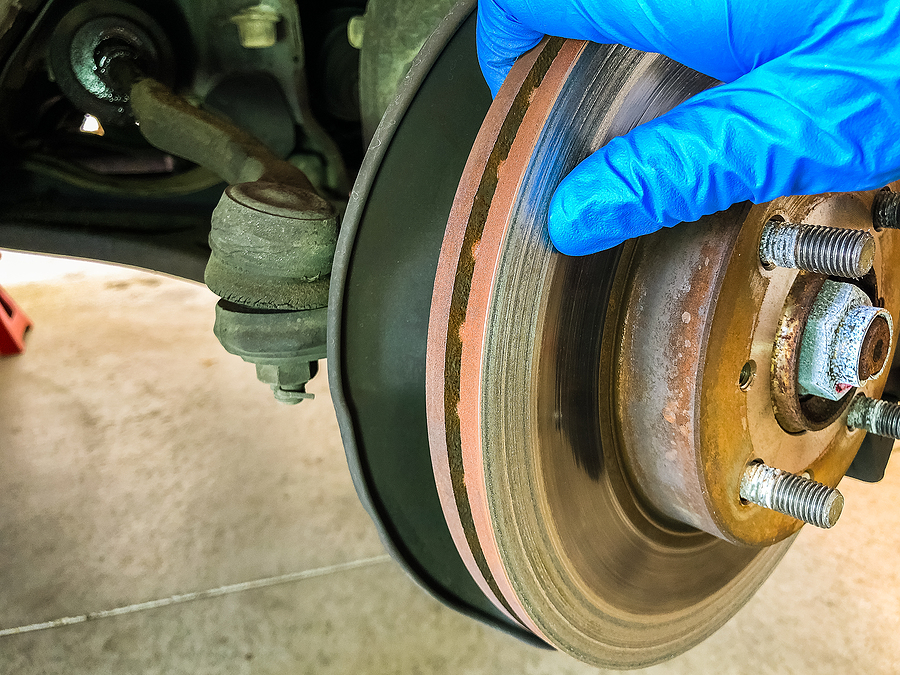
A pulsating brake pedal or a shaking steering wheel when you slow down often points to warped rotors. Rotors are the metal discs your brake pads clamp onto to stop the wheels. Over time, excessive heat—often from riding the brakes down steep hills or heavy towing—can cause these discs to become uneven.

When the pads squeeze against a warped rotor, they don’t make consistent contact. This creates a vibration that travels up through the hydraulic system to your foot or through the suspension to your hands.

Pulling to One Side

If your car veers left or right when you hit the brakes, you may have a stuck caliper. The caliper is the clamp-like mechanism that houses the brake pads. If dirt, rust, or corrosion causes a caliper piston to seize, it cannot apply pressure evenly.

The Motorist Assurance Program notes that this “tugging” sensation can also result from a collapsed brake hose or uneven wear on your brake pads. Regardless of the specific cause, a car that pulls during braking is unpredictable and unsafe.

The “Spongy” Pedal

A brake pedal that feels soft or sinks all the way to the floor is a red flag for your hydraulic system. This lack of resistance usually means air has entered the brake lines or there is a fluid leak. Since air compresses more easily than fluid, the pressure you apply with your foot doesn’t fully transfer to the brakes. This can drastically increase your stopping distance.

Schedule Brake Inspection & Repair Service Now

A Step-by-Step Guide to DIY Diagnosis

You don’t always need a lift to perform a basic check-up. Before heading to the shop, you can gather clues about what might be wrong.

1. Visual Inspection

If your car has open-spoke wheels, you can often see the brake pads without removing the tire. extensive sources suggest that if the pad looks thinner than a quarter of an inch, it is time for a replacement.

2. Check the Fluids

Pop the hood and locate the brake fluid reservoir. The fluid should be relatively clear or slightly yellowish. If it looks dark, dirty, or like black coffee, it has likely absorbed moisture and contaminants, which lowers its boiling point and reduces performance.

3. Inspect for Leaks

Look for any fluid pooling on the ground near the inner wheels. Brake fluid is slippery and has a distinct, slightly sweet chemical smell. Leaks often occur at the caliper seals or along the flexible brake hoses.

Practical Solutions for Common Issues

Once you identify the symptoms, the repair path usually falls into one of three categories.

Brake Pad Replacement

This is the most common maintenance procedure. Technicians remove the old pads and replace them with new ceramic or semi-metallic ones. It is a standard service that restores quiet, effective braking.

Rotor Resurfacing vs. Replacement

If your rotors are warped or grooved but still thick enough, a shop might “turn” or resurface them. This process uses a lathe to shave off a thin layer of metal, restoring a flat surface. However, if the rotors are too thin or heavily damaged from metal-on-metal grinding, safety dictates they must be replaced entirely.

Hydraulic System Service

For spongy pedals, the solution is often a “brake bleed,” where a mechanic purges air bubbles from the lines. If the fluid is old, a full flush replaces the contaminated fluid with fresh liquid, protecting expensive components from internal corrosion.

When to Seek Professional Help

While changing a tire is a handy skill, brake repair requires precision. A loose bolt or an improperly seated pad can lead to catastrophic failure.

You should consult a professional mechanic immediately if:

  • The brake warning light on your dashboard stays on.
  • The pedal sinks to the floor.
  • You hear grinding noises.
  • You see fluid leaking near your wheels.

Maintenance Tips to Extend Brake Life

Proactive care can delay the need for repairs and keep your car safer for longer.

  • Respect the Intervals: Industry data suggests replacing brake pads every 30,000 to 70,000 miles, depending on your driving style. Rotors generally last longer, often between 60,000 and 80,000 miles.
  • Change Your Fluid: Most manufacturers recommend a brake fluid flush every two years to prevent moisture buildup.
  • Adjust Your Driving: Sudden, hard stops generate immense heat that wears out pads and warps rotors. Coasting toward stops and braking gently can significantly extend the life of your system.
  • Don’t Overload: Carrying heavy loads adds momentum that your brakes must work harder to counteract. If you tow frequently, consider upgrading to heavy-duty pads designed for high heat.

In Summary

Your vehicle is a complex machine, but its ability to stop is its most vital function. Brakes rarely fail without warning; they usually scream, shudder, or fade before giving up entirely. By listening to these signals and acting quickly, you protect your investment and, more importantly, the lives of those traveling with you.

Don’t wait for a breakdown to address these critical signs. Regular inspections and prompt repairs ensure that when you need to stop, your car is ready to respond.

Is your car vibrating at stop signs or squealing in traffic? Don’t gamble with your safety. If you are located in the Indianapolis area, contact our certified automotive team today. We provide comprehensive diagnostics and precision brake repair to get you back on the road with confidence.

Book Your Appointment Now

Related Post: Brake Safety Starts Here: Simple Steps to Ensure Your Car Stays Safe on the Road
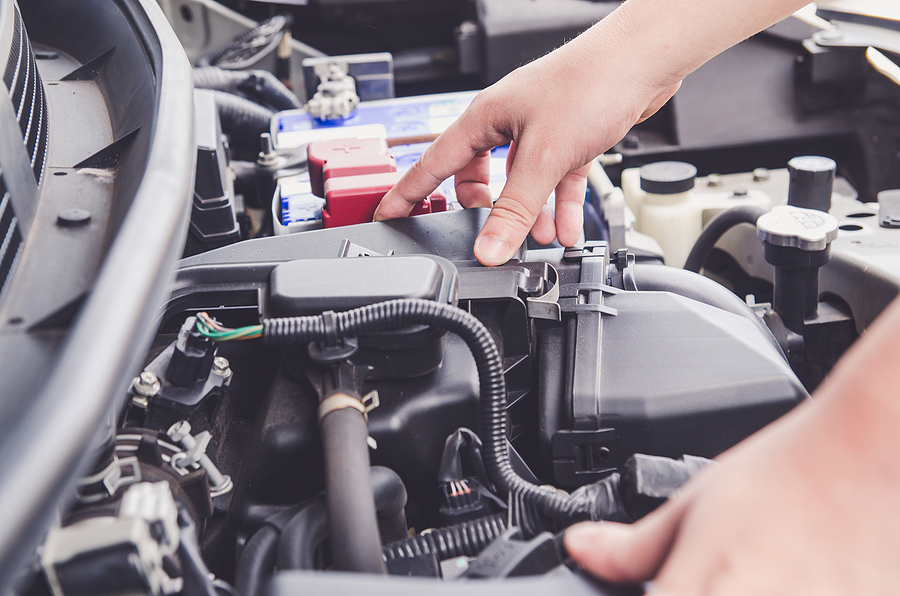
When Your Car Needs a New Heart: Engine Replacement Guide

Your car’s engine is its powerhouse—the component that turns fuel into motion and keeps you on the road. When that crucial part begins to fail, you’re faced with a significant decision: repair or replace. Engine problems can feel overwhelming, especially if you’re not mechanically inclined. Strange noises, smoke from under the hood, or a persistent check engine light might leave you wondering if your vehicle needs major work.

Understanding when and why you might need a car engine replacement can help you make informed choices about your vehicle’s future. Whether you’re driving a Mazda RX-8, Kia Optima, or any other model, knowing the warning signs, costs, and process can save you time, money, and stress. This guide walks you through everything you need to know about replacing your car’s engine, from recognizing problems to maintaining your new powerplant.

Call 317-475-1846 to Schedule an Assessment for Engine Replacement in Indianapolis Indiana

Recognizing the Warning Signs of a Failing Car Engine

Your vehicle often gives you plenty of notice before complete engine failure. Paying attention to these signals can help you address issues before they escalate into catastrophic damage.

Unusual Noises

Knocking, tapping, or grinding sounds coming from under the hood typically indicate serious internal problems. These noises often point to worn bearings, damaged pistons, or other critical failures that may require a full engine replacement rather than simple repairs.

Excessive Smoke

Blue smoke suggests your engine is burning oil, while white smoke can indicate coolant leaking into the combustion chamber. Black smoke means your engine is running too rich with fuel. Any persistent smoke signals potential engine damage that warrants immediate inspection.

Loss of Power

If your vehicle struggles to accelerate, can’t maintain highway speeds, or feels sluggish during normal driving, internal engine damage might be the culprit. This loss of performance often accompanies other symptoms and shouldn’t be ignored.

Warning Lights

A persistent check engine light combined with other symptoms can indicate severe engine problems. Modern diagnostic tools can read specific error codes that help mechanics pinpoint the issue, but multiple codes or recurring problems often point toward major engine failure.

Oil Contamination

Finding metal shavings in your oil or noticing milky, contaminated oil suggests internal engine damage. These signs indicate that critical components are breaking down and mixing fluids where they shouldn’t be.

What Affects Engine Replacement Cost

The price of replacing your car’s engine varies considerably based on several factors. Understanding these elements helps you budget appropriately and make the best decision for your situation.

Engine Type and Availability

You have three main options when replacing an engine: used, remanufactured, or new. Used engines typically cost between $800 and $2,500 before installation, making them the most budget-friendly choice. However, their history and remaining lifespan can be uncertain.

Remanufactured engines, which have been rebuilt to meet factory specifications, range from $1,500 to $4,000. New engines represent the premium option at $3,000 to $7,000, offering the longest lifespan and best warranties.

Vehicle Make and Model

Some vehicles have notoriously expensive engine replacement costs due to design complexity or parts availability. The Mazda RX-8, with its unique rotary engine, can cost $3,000 to $7,000 to replace.

Mini Cooper owners might face $2,800 to $6,000, while Subaru 2.5L Turbo replacements run $3,500 to $7,500. More common engines, like those in the Hyundai Sonata ($2,400 to $5,200) or Chrysler 2.7L V6 ($2,200 to $5,000), tend to be more affordable due to wider parts availability.

Labor Costs

Installation labor typically adds $500 to $1,500 to your total bill, depending on your location and the complexity of the job. Some vehicles require extensive disassembly to access the engine, while others offer easier access. Luxury and performance vehicles generally command higher labor rates due to specialized knowledge requirements.

Additional Repairs

When mechanics access your engine compartment, they often discover related issues that should be addressed simultaneously. Worn mounts, damaged hoses, leaking gaskets, or a failing transmission can add to your final cost but might be wise to fix while everything is already disassembled.

Schedule Professional Engine Repair Service Today

Selecting Your Replacement Engine

Choosing the right replacement engine requires balancing budget, reliability needs, and long-term goals for your vehicle.

Assess Your Vehicle’s Value

Compare the total replacement cost to your car’s current market value. If the engine replacement exceeds 50-75% of what your car is worth, you might consider whether putting that money toward a different vehicle makes more financial sense.

Consider Your Timeline

Used engines can often be sourced and installed quickly, sometimes within a few days. Remanufactured engines might take a week or two, while ordering a new engine could extend your timeline to several weeks. Factor in how long you can be without your vehicle when making this decision.

Evaluate Warranty Coverage

New and remanufactured engines typically come with warranties ranging from one to three years. Used engines might offer 30 to 90 days of coverage, if any. Warranty protection provides peace of mind and financial security if problems arise after installation.

Match Your Driving Needs

If you plan to keep your vehicle for many more years, investing in a new or remanufactured engine makes sense. For a car you’ll drive temporarily or one with high mileage elsewhere in the drivetrain, a quality used engine might be the practical choice.

The Engine Replacement Process

Understanding what happens during an engine replacement helps set realistic expectations about the timeline and complexity involved.

Your mechanic begins by draining all fluids and disconnecting the battery, followed by removing components that block access to the engine. This includes the radiator, exhaust system, wiring harnesses, and various hoses. The transmission is then separated from the engine, and engine mounts are unbolted before the old engine is carefully lifted out.

The replacement engine is inspected and prepared, with new gaskets, seals, and fluids installed as needed. Mechanics lower the new engine into position, reconnect it to the transmission, and secure the mounts. All previously disconnected components are then reattached, fluids are refilled, and extensive testing ensures everything functions properly.

Quality shops perform a test drive and monitor for leaks, unusual noises, or performance issues before returning your vehicle. This thorough process typically takes two to five days, depending on parts availability and shop workload.

Your Role in Long-Term Engine Maintenance

Once you’ve invested in a new engine, scheduled car maintenance becomes even more critical to maximize its lifespan and performance.

Prioritize Oil Changes

Use high-quality synthetic oil and follow manufacturer-recommended change intervals religiously. Clean oil lubricates moving parts, reduces friction, and prevents premature wear that shortens engine life.

Monitor Cooling System

Check coolant levels regularly and ensure they remain within the proper range. Overheating causes catastrophic engine damage quickly, so address any temperature warning signs immediately.

Replace Air Filters

Dirty air filters restrict airflow and force your engine to work harder than necessary. Regular replacement ensures optimal performance and fuel efficiency while protecting internal components from contaminants.

Inspect Belts and Hoses

These components wear out over time and can cause major problems if they fail. Regular visual inspections help you catch cracks, fraying, or soft spots before they lead to breakdowns.

Drive Gently

Aggressive acceleration and hard braking put unnecessary stress on your new engine. Smooth, gradual driving habits extend component life and improve fuel economy.

Address Problems Quickly

Small issues like minor leaks or unusual sounds can escalate into major damage if ignored. Schedule an inspection whenever something seems off rather than waiting for complete failure.

Frequently Asked Questions

How do I know if a used engine is reliable?

Request maintenance records and have your mechanic inspect the engine before installation. Reputable salvage yards often provide compression tests and leak-down tests that verify internal condition. Look for engines from low-mileage vehicles that were totaled in accidents rather than those removed due to mechanical failure.

What warranty coverage should I expect?

New engines typically carry warranties of 3-5 years or 50,000-100,000 miles. Remanufactured engines usually offer 1-3 years of coverage. Used engines might include 30-90 days or no warranty at all. Always understand warranty terms, including what’s covered and any maintenance requirements that must be met to keep coverage valid.

Will this affect my car’s resale value?

A professionally installed engine from a reputable source, backed by documentation and warranty, can actually maintain or increase your vehicle’s value compared to one with a failing engine. Keep all receipts and maintenance records to show potential buyers.

Are there financing options available?

Many automotive repair services offer payment plans or work with financing companies to help spread out the cost. Some mechanics accept credit cards, and personal loans from banks or credit unions might offer better terms than high-interest automotive financing.

Conclusion

An engine replacement represents a significant investment in your vehicle’s future. By recognizing warning signs early, understanding your options, and choosing quality parts and installation, you can get many more reliable miles from your car. Regular maintenance after replacement ensures your new engine delivers the performance and longevity you expect.

Don’t wait until complete engine failure leaves you stranded. If you’re experiencing any symptoms of engine problems, schedule an engine inspection with our trusted Indianapolis automotive repair service. Our professional diagnostics can identify issues before they escalate, potentially saving you from more expensive repairs down the road and keeping you safely on the move.

Call Now to Book Service

Related Post: When Your Engine Stumbles: Understanding Misfires and Solutions

When to Replace Your Car Radiator: Warning Signs & Solutions

Your car’s radiator works tirelessly behind the scenes, keeping your engine at the perfect temperature while you cruise down the highway. This essential component circulates coolant through your engine, absorbing excess heat and preventing costly damage that could leave you stranded on the roadside.

Understanding when your radiator needs attention isn’t just about avoiding inconvenient breakdowns—it’s about protecting one of your vehicle’s most expensive components. Engine repairs from overheating can cost thousands of dollars, making radiator maintenance a smart investment in your car’s longevity.

Whether you’ve noticed your temperature gauge climbing higher than usual or spotted mysterious puddles under your parked car, recognizing the early warning signs of radiator problems can save you both time and money. Let’s explore how to identify when your radiator needs professional attention and what steps you can take to keep your cooling system running smoothly.

Call 317-475-1846 for Affordable Car Radiator Replacement in Indianapolis Indiana

Critical Signs Your Radiator Needs Replacement

Engine Overheating

The most obvious symptom of radiator failure is engine overheating. When your temperature gauge creeps into the red zone or warning lights illuminate your dashboard, your radiator may not be circulating coolant effectively. Overheating can occur gradually during long drives or suddenly in stop-and-go traffic.

If your car overheating becomes a recurring issue, the radiator’s internal passages may be clogged with rust, debris, or mineral deposits. These blockages prevent proper coolant flow, causing your engine temperature to spike dangerously high.

Visible Coolant Leaks

Coolant leaks create telltale puddles beneath your parked vehicle. Fresh coolant typically appears bright green, orange, or pink, depending on the type used in your car. These leaks often start small but can quickly worsen, leading to complete cooling system failure.

Check around the radiator, hoses, and connections for signs of leakage. Even minor drips indicate potential car radiator problems that require immediate attention. Driving with low coolant levels can cause severe engine damage within minutes.

Discolored or Contaminated Coolant

Healthy coolant maintains its original bright color and flows smoothly through the system. However, contaminated coolant may appear rusty brown, murky, or contain visible particles. This discoloration indicates internal corrosion or the presence of oil, both serious concerns for your cooling system.

When coolant becomes contaminated, it loses its ability to transfer heat effectively and can damage radiator components from the inside. Regular coolant inspection helps identify these issues before they require expensive automotive repair.

Unusual Noises from the Engine Bay

Strange sounds emanating from your radiator area often signal mechanical problems. Gurgling noises may indicate air pockets in the cooling system, while grinding or rattling sounds could point to a failing water pump or loose components.

These audio cues shouldn’t be ignored, as they often precede more serious cooling system failures. Early intervention can prevent a minor issue from becoming a major car radiator repair expense.

Essential Safety Tips and Warnings

Never Remove the Radiator Cap When Hot

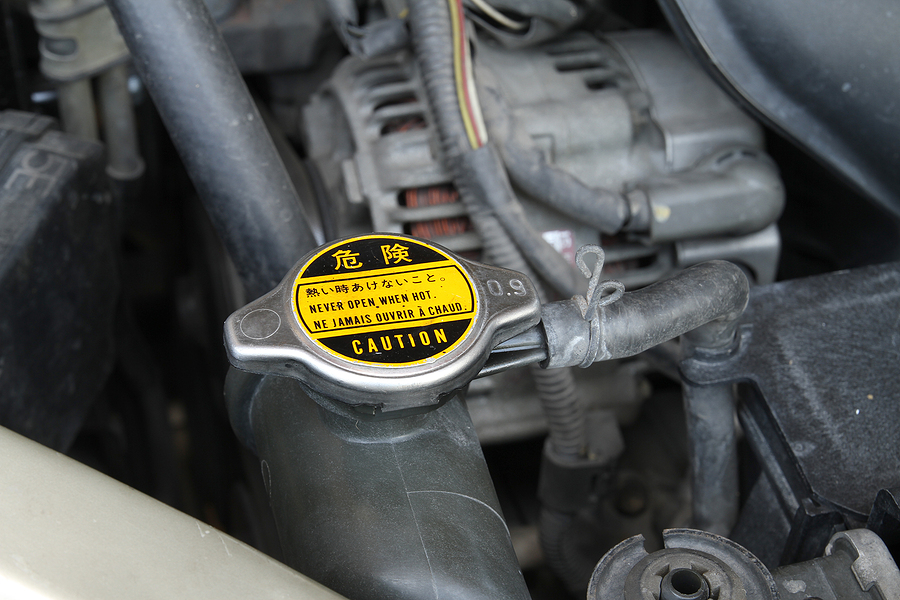
Opening a hot radiator cap releases pressurized steam and scalding coolant that can cause severe burns. Always wait until your engine has cooled completely—at least 30 minutes after driving—before attempting to check coolant levels or inspect the radiator.

The cooling system operates under pressure to raise the boiling point of coolant. Removing the cap while hot can cause violent eruptions of superheated fluid, creating dangerous conditions for anyone nearby.

Pull Over Immediately if Overheating Occurs

If your temperature gauge enters the danger zone while driving, safely pull over and turn off your engine immediately. Continuing to drive with an overheating engine can cause catastrophic damage, including warped cylinder heads, blown head gaskets, or complete engine seizure.

Turn on your heater to help dissipate engine heat while you safely navigate to the roadside. Once stopped, avoid opening the hood until the engine has cooled significantly to prevent steam burns.

Use Proper Personal Protective Equipment

When inspecting your radiator or adding coolant, wear safety glasses and gloves to protect against chemical splashes. Coolant contains ethylene glycol, which is toxic if ingested and can cause skin irritation with prolonged contact.

Keep coolant containers away from children and pets, as the sweet taste can be appealing but potentially fatal if consumed. Dispose of used coolant properly at recycling centers or automotive service facilities.

Schedule Car Radiator Repair Service Today!

Preventive Radiator Maintenance Guidelines

Regular Coolant Level Monitoring

Check your coolant level monthly when the engine is cold. Most vehicles have both a radiator cap and an overflow reservoir with minimum and maximum level markings. Maintaining proper coolant levels prevents air pockets that can cause overheating and component damage.

Regularly check your coolant level and the condition of your radiator hoses. Replace any cracked or bulging hoses to prevent leaks and potential engine damage. This simple scheduled car maintenance step can prevent expensive repairs down the road.

Systematic Coolant System Flushes

Flush your cooling system every two years or 30,000 miles to remove rust and deposits that can clog the radiator and reduce its efficiency. Over time, coolant breaks down and becomes acidic, corroding metal components and leaving harmful deposits throughout the system.

A proper coolant flush involves draining the old fluid, cleaning the system with specialized solutions, and refilling with fresh coolant mixed to manufacturer specifications. This radiator maintenance procedure extends component life and maintains optimal cooling performance.

Radiator and Grille Cleaning

Keep your radiator fins clean and free from debris that can block airflow. Road grime, leaves, and insects accumulate on the radiator’s exterior surface, reducing its ability to dissipate heat effectively. Use compressed air or a soft brush to gently remove buildup without damaging delicate fins.

Inspect the area behind your front grille regularly, especially after highway driving or during seasons when debris is more prevalent. Clean radiator fins improve cooling efficiency and can prevent overheating in demanding driving conditions.

Frequently Asked Questions

How often should I replace my radiator?

Most radiators last 8-10 years or 100,000-150,000 miles with proper maintenance. However, harsh driving conditions, neglected maintenance, or coolant contamination can shorten this lifespan significantly. Regular inspections help determine when replacement becomes necessary.

Can I drive with a leaking radiator?

Driving with a leaking radiator is dangerous and can cause severe engine damage. Small leaks may allow short trips to a repair facility, but significant leaks require immediate attention. Monitor your temperature gauge constantly and be prepared to stop if overheating occurs.

What is the cost of a new radiator?

New radiator cost varies widely based on vehicle make, model, and radiator type. Basic radiators may cost $150-$400, while premium or specialized units can exceed $800. Labor costs for installation typically add $200-$500 to the total expense.

How can I check my radiator for leaks?

Inspect the ground beneath your parked car for colorful puddles. Check radiator hoses, connections, and the radiator itself for visible wetness or staining. A pressure test performed by a professional can identify small leaks not visible during casual inspection.

What type of coolant should I use?

Always use coolant that meets your vehicle manufacturer’s specifications. Common types include ethylene glycol-based (green), extended-life (orange/red), or hybrid formulations. Mixing different coolant types can cause chemical reactions that damage your cooling system.

Is it safe to drive my car if it’s overheating?

Never continue driving an overheating vehicle. Pull over immediately, turn off the engine, and allow it to cool completely. Driving with an overheating engine can cause permanent damage costing thousands of dollars in repairs.

In Summary

Your radiator plays a crucial role in preventing expensive engine damage, making regular maintenance and prompt attention to problems essential for vehicle longevity. Understanding the warning signs of radiator failure empowers you to take action before minor issues become major expenses.

By following the maintenance tips outlined above and addressing problems early, you can extend your radiator’s lifespan and avoid unexpected breakdowns. Remember that professional diagnosis can identify issues not apparent during visual inspections, potentially saving you from costly surprises.

Don’t wait for warning signs to appear—schedule a radiator inspection today. Our qualified technicians can assess your cooling system’s condition, recommend necessary services, and help you avoid the inconvenience and expense of roadside emergencies.

Call Now to Book Your Service

Related Post: The Essential Guide to Radiator Fluid: Keeping Your Vehicle in the Cool

Unlocking the Mystery of Poor Vehicle Acceleration: A Troubleshooting Guide

Acceleration is more than just pressing the gas pedal and zooming forward. For drivers, it directly affects performance, fuel efficiency, and safety on the road. When your vehicle struggles to accelerate, it can signal hidden issues that may jeopardize your driving experience and overall vehicle health. 

If you’ve noticed sluggish starts or a response delay when stepping on the accelerator, this guide is for you. Together, we’ll uncover the symptoms, causes, and solutions for poor acceleration while also exploring preventive tips to keep your vehicle running at peak performance. 

Call 317-475-1846 For Affordable Automotive Diagnostics and Repair in Indianapolis Indiana

Recognizing Poor Acceleration Symptoms in a Vehicle

Before identifying causes, it’s important to recognize how poor acceleration manifests in your vehicle. Symptoms often creep up subtly but ignoring them could lead to more severe issues. 

One of the most common signs is sluggish starts during takeoff. If your car hesitates or feels under-powered when you press the accelerator, it’s a sure indication something isn’t right. For instance, pulling into traffic or merging onto highways becomes both frustrating and risky when the engine doesn’t respond. 

Another frequent symptom is a delay between pushing the pedal and the car actually accelerating. Modern drivers, especially those in urban settings, rely on quick response times for smooth driving. That slight lag—no matter how small—provides a noticeable decline in overall car performance. 

You might also observe uneven power delivery, where the vehicle accelerates in bursts or struggles to maintain speed. This choppy behavior is not just uncomfortable for passengers but could also point to serious underlying problems requiring attention. Recognizing these signs early means you’re equipped to find fixes before they escalate. 

Diagnosing Slow Acceleration With Simple Steps 

Successfully troubleshooting poor acceleration begins with diagnosing the issue correctly. You don’t need to be a mechanic to perform basic checks that pinpoint the problem. 

Start by monitoring dashboard warning lights like the Check Engine Light (CEL). Modern vehicles have built-in systems to alert you about engine trouble or related issues. Utilizing an affordable OBD-II scanner can help decode these messages, providing valuable clues about what’s wrong. 

Next, pay attention to fuel consumption. Sudden spikes in gas usage may hint at inefficient combustion or clogged fuel injectors, which directly impact acceleration. Keep an eye on your MPG (miles per gallon) for signs of decreasing efficiency. 

Lastly, complete a visual inspection under the hood. While safety comes first, it’s worth checking for noticeable problems like broken hoses, dirty air filters, or disconnected components. Quick observations like these can give you direction before seeking professional diagnostics. 

Common Causes of Weak Automotive Acceleration 

Unlocking the mystery behind poor acceleration requires identifying the exact cause. While various factors can contribute, here are the most frequent culprits:

Clogged Air Filters 

Air filters play a major role in delivering adequate oxygen for engine combustion. When clogged, they block airflow, causing decreased power output and subpar acceleration. For example, imagine trying to run a race while breathing through a straw—that’s what your engine essentially experiences. 

Fuel System Problems 

Poor acceleration is often linked to issues in the fuel system. Clogged fuel injectors, a failing fuel pump, or a dirty fuel filter restrict the flow of gasoline, leading to uneven combustion and reduced power. Without the right fuel-to-air ratio, even high-performance engines struggle to move efficiently. 

Transmission Glitches 

Your vehicle’s transmission ensures torque is properly delivered to the wheels. Automatic transmissions sometimes encounter gear-shifting delays or slippage, denying the engine proper support during acceleration. If manual, worn-out clutch plates often eliminate the smooth transmission of engine power. 

Spark Plug Issues 

Old, worn, or faulty spark plugs are another major contributor. Misfires during combustion result from inefficient spark formation, which directly impacts performance. You’ll notice this issue through jerks or sputtering while accelerating. 

Solutions to Faulty Car Acceleration 

The right solution depends on correctly identifying the cause. Here are steps to address poor acceleration and return your vehicle to optimal performance: 

For clogged air filters, replacing them is a quick and inexpensive fix. Most drivers can handle this task with no professional help. Simply consult your manufacturer’s manual for guidance and keep a replacement schedule to ensure consistency. 

When dealing with fuel system problems, start by running a high-quality fuel system cleaner through your gas tank. This minimizes clogging, but if problems persist, replacing parts like a fuel pump or filter might require professional service. 

Transmission glitches demand immediate attention since further driving could aggravate the issue. Automatic transmission problems are best entrusted to mechanics. For manual systems, replacing worn-out clutch plates can significantly restore acceleration power. 

Finally, troubleshooting spark plug-related issues involves inspection and replacement. Quality spark plugs last longer and ensure smooth ignition rounds, eliminating misfires during acceleration. 

Preventive Measures for Long-Term Performance 

Prevention often costs less than repairs, making it the smarter choice for maintaining vehicle health. Taking small, consistent steps goes a long way. 

First, schedule regular service appointments. Having a trusted mechanic inspect your vehicle every 6,000 to 10,000 miles helps catch small issues before they evolve into acceleration-draining problems. 

Second, use high-quality fuel and additives. Premium fuels burn cleaner and extend the lifespan of both spark plugs and fuel injectors. Periodic fuel additives clear deposits from the engine, keeping performance optimal. 

Lastly, prioritize maintaining clean air filters, properly inflated tires, and balanced wheels. Proper maintenance reduces strain on your engine and improves overall efficiency. The result? Consistently smooth acceleration with fewer hiccups. 

Closing Thoughts 

Having a vehicle that accelerates properly isn’t just convenient—it’s critical for safety and reliability. From ensuring smooth starts to merging confidently into traffic, acceleration connects directly to your vehicle’s overall performance. 

Whether it’s resolving clogged air filters, fuel system issues, or transmission challenges, addressing poor acceleration comes down to timely action. Routine maintenance makes all the difference, preventing costly repairs while keeping your vehicle road-ready. 

If diagnosing issues feels overwhelming, seek help from professionals. Licensed mechanics have the tools, expertise, and insights to restore your vehicle’s performance effectively. Don’t leave acceleration problems unchecked—get your car inspected today for peace of mind and smooth rides ahead!

Are you looking for a reliable mechanic for help with your car’s acceleration problems? Contact Northeast Auto Service at 317-475-1846 for professional automotive service and repair in Indianapolis, Indiana. Request a free estimate, or schedule service, today.

Related Posts:

How to Diagnose a Weak Car Engine
Is Your Transmission Trying to Telling You Something?
Why You Must Get Your Car Air Filters Changed This Year

Why Professional Automotive Repair is Better Than DIY

In today’s DIY-obsessed world, it’s tempting to tackle car repairs yourself, especially when countless online tutorials promise easy fixes. However, as vehicles become more complex and technologically advanced, the risks associated with do-it-yourself auto repair increase significantly.

For car owners and local drivers, understanding the importance of professional auto repair is crucial for maintaining vehicle safety and performance. In this blog post, we’ll explore the reasons why entrusting your car to the experts not only ensures safety and efficiency but also provides peace of mind with a job well done.

Call 317-475-1846 When You Need Professional Automotive Repair in Indianapolis

The Rise of the DIY Auto Repair Trend

With the surge of DIY culture fueled by internet access and social media, many car owners feel empowered to attempt their own auto repairs. The idea of saving money and gaining a sense of accomplishment is appealing. However, this trend overlooks the significant challenges posed by modern vehicles. Today’s cars are not just about engines and wheels; they are sophisticated machines equipped with intricate electronic systems and components that demand specialized knowledge and tools.

The complexities of these modern vehicles make DIY repairs a more complicated and risky endeavor than they appear in online tutorials. Attempting to fix a car without the proper expertise can lead to unforeseen problems and, in worst case scenarios, compromise the safety of both the vehicle and its occupants. Therefore, it’s essential for car owners to weigh the potential risks against the benefits of seeking professional auto repair services.

The Risks of Do-It-Yourself Automotive Repair

One of the primary risks of DIY auto repair is the safety hazards it poses. Without the right training and equipment, car owners may inadvertently expose themselves to dangerous situations. Working on cars involves heavy machinery, toxic substances, and high-voltage systems that can lead to injuries or accidents if mishandled. Furthermore, incorrect repairs can result in vehicle malfunctions that endanger the driver and others on the road.

Another significant risk is worsening the existing problem and incurring higher repair costs. A misdiagnosis or improper repair can lead to extensive damages that require costly professional intervention. What initially seemed like a minor issue can quickly escalate into a major problem, making it more expensive to fix than it would have been if addressed by a certified technician from the start.

Additionally, many car owners are unaware that attempting DIY repairs can void warranties on parts and the vehicle itself. Manufacturers often require maintenance and repairs to be performed by authorized personnel to uphold warranty agreements. By choosing the DIY route, car owners risk losing valuable coverage that could save them money in the long run.

The Value of Professional Car Repair

Opting for professional auto repair provides numerous advantages that outweigh the perceived benefits of DIY endeavors. Certified technicians bring a wealth of expertise and experience to every repair job. Their comprehensive training equips them to diagnose and fix issues accurately, ensuring the vehicle’s safety and optimal performance. Unlike DIY repairs, professional services guarantee peace of mind and reliability.

Professional auto repair shops also utilize proper tools and diagnostic equipment, which are crucial for identifying and resolving vehicle problems effectively. These specialized instruments are costly and often inaccessible to individual car owners. Relying on certified technicians means benefiting from advanced technology that facilitates precise diagnostics and efficient repairs.

Furthermore, professional auto repair services provide access to genuine parts and warranties. Using authentic components ensures the longevity and compatibility of the replacement parts, preventing future issues. Many repair shops offer warranties on both parts and labor, adding an extra layer of protection and assurance for car owners.

Another key advantage is the personalized advice and preventive maintenance offered by professional technicians. Car owners receive tailored recommendations to maintain their vehicles’ health and prevent future problems. Regular check-ups and maintenance performed by certified professionals can extend the lifespan of a vehicle and enhance its resale value.

Tips for Choosing a Reliable Auto Repair Shop

Finding a trustworthy auto repair shop is essential for car owners seeking professional services. Start by researching and comparing local auto repair shops to identify reputable options. Look for shops with certifications from recognized automotive organizations, as this indicates adherence to industry standards and quality service.

Customer reviews and testimonials are valuable resources for gauging the credibility of a repair shop. Positive feedback from satisfied customers reflects the shop’s reliability and customer satisfaction. Additionally, inquire about warranties offered by the repair shop, as this demonstrates their confidence in their work.

Visiting the shop in person can provide insights into their professionalism and expertise. Don’t hesitate to ask questions about their services, pricing, and repair processes. A reliable auto repair shop will be transparent and willing to address any concerns or inquiries you may have.

Conclusion

In conclusion, while DIY auto repair may seem appealing, the risks associated with it far outweigh the potential benefits. Professional auto repair services offer the expertise, tools, and warranties necessary for safe and reliable vehicle maintenance. For car owners and local drivers, prioritizing professional assistance ensures long-term vehicle health and safety.

We encourage you to seek professional advice for all your auto repair needs. Remember, investing in professional services today can save you from costly repairs and ensure a smooth and safe driving experience in the future. Prioritize your vehicle’s well-being and trust in certified technicians for all your automotive needs.

Are you looking for a trusted Indy auto shop that can repair or replace your steering system at a price you can afford? Contact Northeast Auto Service at 317-475-1846 for automotive repair services in Indianapolis, Indiana you can afford. We also offer auto service coupons and discounts!

Related Posts:

Keep Your Ride Running Smoothly with These Essential Routine Maintenance Tips
Save Big on Car Repairs: Secrets to Finding Inexpensive Car Parts
10 Warning Signs of a Bad Automotive Shop

My Car Broke Down! Now What? A Comprehensive Guide

We’ve all been there: you’re cruising down the highway, your favorite song playing on the radio, when suddenly, your car sputters, stalls, and comes to a halt. Your heart sinks as you realize – your car has broken down. This unexpected situation can be stressful and daunting, especially if you’re unprepared.

Thankfully, this comprehensive guide is here to help you navigate through sudden car issues. We will take you through the necessary steps to handle such situations, from identifying the issue and contacting an auto repair service to deciding when you need a towing service. Let’s hit the road to knowledge, shall we?

Call 317-475-1846 For Car Repair Near Indianapolis Indiana
Call 317-475-1846 For Affordable Car Repair Near Indianapolis Indiana

What to Do if Your Car Breaks Down

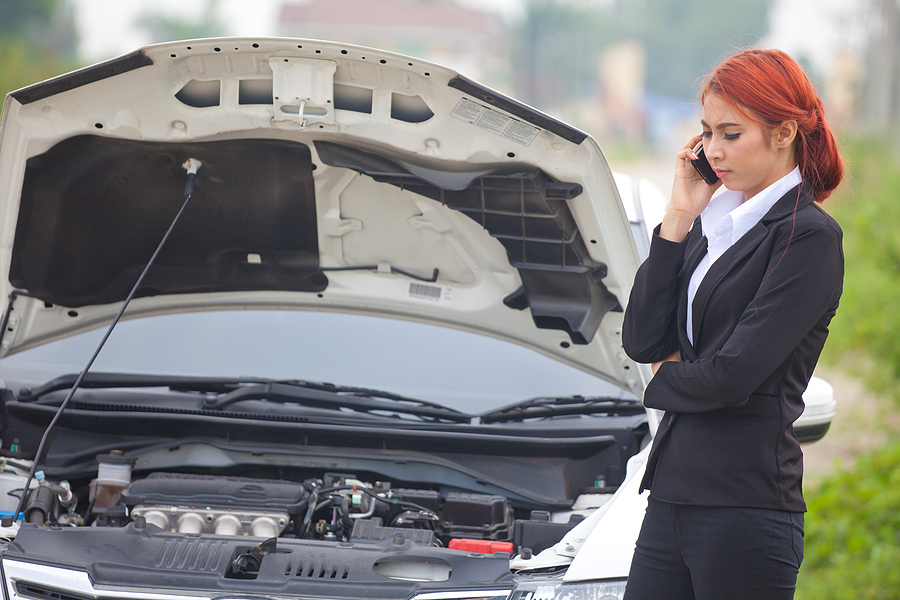
Finding yourself stranded on the side of the road due to a car breakdown can be a scary experience. But knowing what to do in a roadside emergency can help you remain safe and quickly get back on your way. The first step is to ensure you are off the roadway and out of harm’s way. Turn on your hazard lights and use cones or flares if you have them to signal to other drivers. Then, assess the issue with your vehicle and determine if you can fix it or need to call for assistance. Keep your cell phone charged and accessible and contact a friend, family member, or emergency roadside assistance if needed. Remember to prioritize your own safety and the safety of others on the road.

After the Breakdown

Identify the Issue

The first step to handling a sudden car issue is identifying the problem. This can be daunting, especially if you’re not well-versed in car mechanics. However, there are a few simple checks you can do to help pinpoint the issue. Start by checking your dashboard for any warning lights or messages. This could indicate anything from low tire pressure to engine trouble. Next, listen for any odd sounds or smells coming from your car. These could point towards a specific problem and help you communicate with the mechanic more clearly. Lastly, try to recall any recent changes or incidents that may have caused the issue. This information can be helpful in diagnosing the problem.

Contact an Auto Repair Service

Once you’ve identified the issue, it’s time to contact an auto repair service. It’s important to choose a reliable and trustworthy mechanic who will provide quality service at a fair price. You can ask for recommendations from friends and family or check online reviews to find reputable mechanics in your area. When contacting the repair service, be sure to describe the issue clearly and provide any necessary information you’ve gathered. This will help the mechanic arrive at an accurate diagnosis and give you an estimated cost for repairs.

Decide When You Need a Towing Service

In some cases, your car may not be safe to drive to the repair shop. For example, if your engine has completely shut down or if there is extensive damage to your vehicle, attempting to drive it could cause further harm. In these situations, it’s best to call a towing service. They will safely transport your car to the repair shop and save you from potential accidents or additional expenses. You can also utilize a roadside assistance program if you have one, which often includes free towing services.

In Summary

Dealing with sudden car issues can be stressful, but by following these steps, you can handle the situation with confidence. Remember to stay calm and assess the issue before contacting an auto repair service. In some cases, a towing service may be necessary for your safety and the well-being of your vehicle. By being prepared and taking the necessary steps, you’ll be back on the road in no time. And don’t forget to schedule regular maintenance for your car to prevent unexpected breakdowns in the future.

Are you in search of a reliable car mechanic for auto repairs in the Indy area? Contact Northeast Auto Service at 317-475-1846 for professional, ASE-licensed car maintenance and automotive repair in Indianapolis, Indiana. Check out our auto shop coupons, too!

Related Posts:

Top 4 Reasons Why Your Car Won’t Start
Common Signs That Indicate Which Car Repair You Need
Strange Car Smells and What They Might Mean