Your car talks to you constantly—you just need to know how to listen. Dashboard warning lights are your vehicle’s way of flagging everything from a loose gas cap to a failing engine, and knowing what each one means can save you from a breakdown, an expensive repair, or a dangerous situation on the road.
Not every warning light demands the same response. Some mean pull over now. Others simply mean schedule a service appointment this week. This guide breaks down what your dashboard is trying to tell you, organized by color, so you know exactly how to respond the next time a symbol lights up.
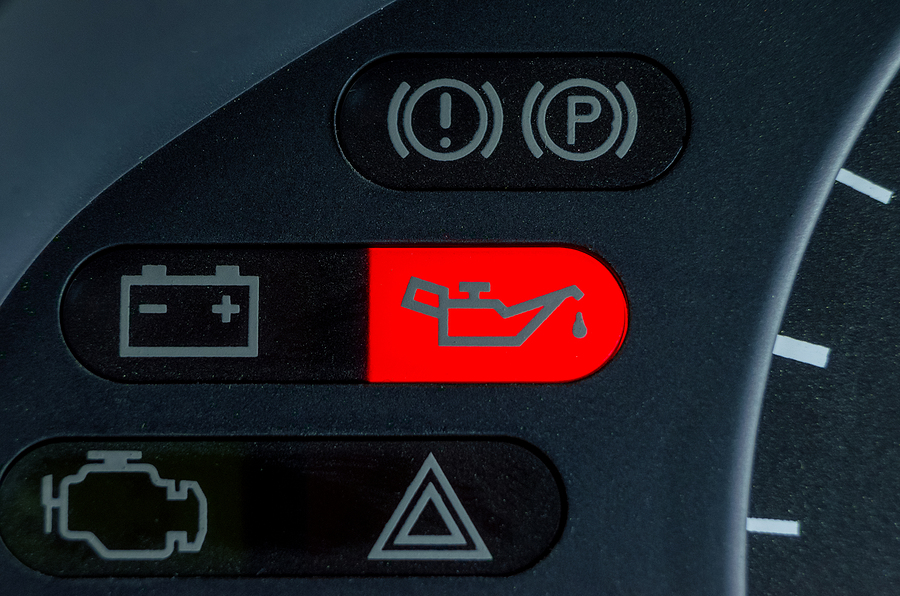
Red Warning Lights: Stop Driving Immediately
Red lights are your car’s most urgent signal. They indicate a problem serious enough to cause damage or create a safety hazard if you keep driving.
Engine Temperature Warning Light
This light—usually a thermometer sitting in wavy lines—means your engine is overheating. Continuing to drive can warp your engine block or blow a gasket. Turn off the air conditioning, switch on the heater to pull heat away from the engine, and get to a safe spot to stop. Let the engine cool completely before checking your coolant level.
Oil Pressure Warning Light
Shaped like an old-fashioned oil can, this light means your engine isn’t getting enough lubrication. Left unaddressed, low oil pressure can destroy your engine in a matter of minutes. Pull over immediately, shut off the engine, and check your oil level. Don’t restart the car until you know it’s safe.
Brake System Warning Light
If this light stays on after you’ve released your parking brake, it may point to low brake fluid or a fault in the braking system. If your brakes feel different than usual—soft, unresponsive, or pulling to one side—don’t drive on them. Have the vehicle towed instead.
Battery Warning Light
This one signals that your charging system isn’t keeping the battery topped up. Turn off nonessential electronics like your radio and rear defroster, and drive straight to a service center or home. Keep the engine running once you arrive, since a drained battery may not restart it.
Yellow and Orange Caution Lights: Schedule Service Soon
Yellow and orange lights aren’t emergencies, but they shouldn’t be ignored either. They tell you something needs attention before it becomes a bigger, more expensive problem.
Check Engine Light
This light can mean anything from a loose gas cap to a failing car sensor. If it’s steady, schedule a diagnostic appointment within the week. If it’s flashing, that indicates an active engine misfire—reduce your speed and have the car checked right away, since driving on a flashing check engine light can damage your catalytic converter.
Tire Pressure Monitoring System (TPMS) Light
This light appears when one or more tires drop below the recommended pressure. Check all four tires when they’re cold and inflate them to the number listed on the sticker inside your driver’s door, not the number on the tire itself. If the light returns after proper inflation, your TPMS sensor may need attention.
ABS Light
Your regular brakes still work when this light comes on, but the anti-lock system that prevents wheel lockup during hard braking may not engage. That’s a real risk in wet or icy conditions, so have it inspected promptly.
Service Soon Indicator
This one is simply a reminder that scheduled maintenance—an oil change, filter swap, or inspection—is due. It’s not urgent, but putting it off too long can lead to avoidable wear and tear.
Green and Blue Informational Lights
Not every dashboard light signals a problem. Green and blue lights simply confirm that a system is active.
- Turn signal indicators: Green arrows blink to show which direction signal is engaged.
- High beam indicator: A blue light confirms your high beams are on—remember to dim them for oncoming traffic.
- Cruise control status: A green icon lets you know cruise control is set and active.
What to Do When a Warning Light Appears
Start by noting the color. Red means stop as soon as it’s safe to do so. Yellow means plan for service within the next several days. Green or blue simply confirms a feature is running as expected.
Your owner’s manual is the fastest way to confirm exactly what a specific symbol means for your make and model, since some manufacturers use slightly different icons. If a light is flashing rather than steady, treat it with more urgency regardless of color—flashing almost always signals an active, worsening problem.
When to Visit a Mechanic
Red lights call for immediate attention, often the same day. Yellow lights give you a short window—ideally within a week—to get the issue diagnosed before it escalates. And if your check engine light keeps returning after you’ve addressed an obvious cause, like a loose gas cap, a professional diagnostic scan by a licensed auto repair shop can pinpoint what’s really going on under the hood.
Frequently Asked Questions
Can I drive with the check engine light on?
If the light is steady and your car is running normally, you can typically continue driving but should schedule a diagnostic appointment soon. If the light is flashing, stop driving and have your vehicle inspected right away.
What does a flashing check engine light mean?
A flashing check engine light usually indicates an active engine misfire. Continuing to drive in this condition can cause expensive damage to your catalytic converter, so it’s best to reduce speed and seek service immediately.
Why did my dashboard light turn on after an oil change?
This can happen if the maintenance reminder wasn’t reset, if oil level sensors need recalibration, or if a technician overlooked a step during service. A quick follow-up appointment can usually resolve it.
Keep Small Warnings from Becoming Big Repairs
Dashboard lights exist to protect your car and your safety, not to cause panic. Learning what each color means gives you the confidence to respond appropriately, whether that’s pulling over right away or simply booking a service appointment for later in the week.
If a warning light has appeared on your dashboard, our team at Northeast Auto Service in Indianapolis, Indiana can diagnose the issue and get you back on the road with confidence. Schedule an appointment today and let our experienced technicians take the guesswork out of your dashboard’s warning signs.
Related Posts:
10 Common Reasons Your Check Engine Light is On
Why Did My Brake Warning Light Come On in My Car?
5 Automotive Warning Lights You Need to Know