When to Get an Oil Change for Your Car

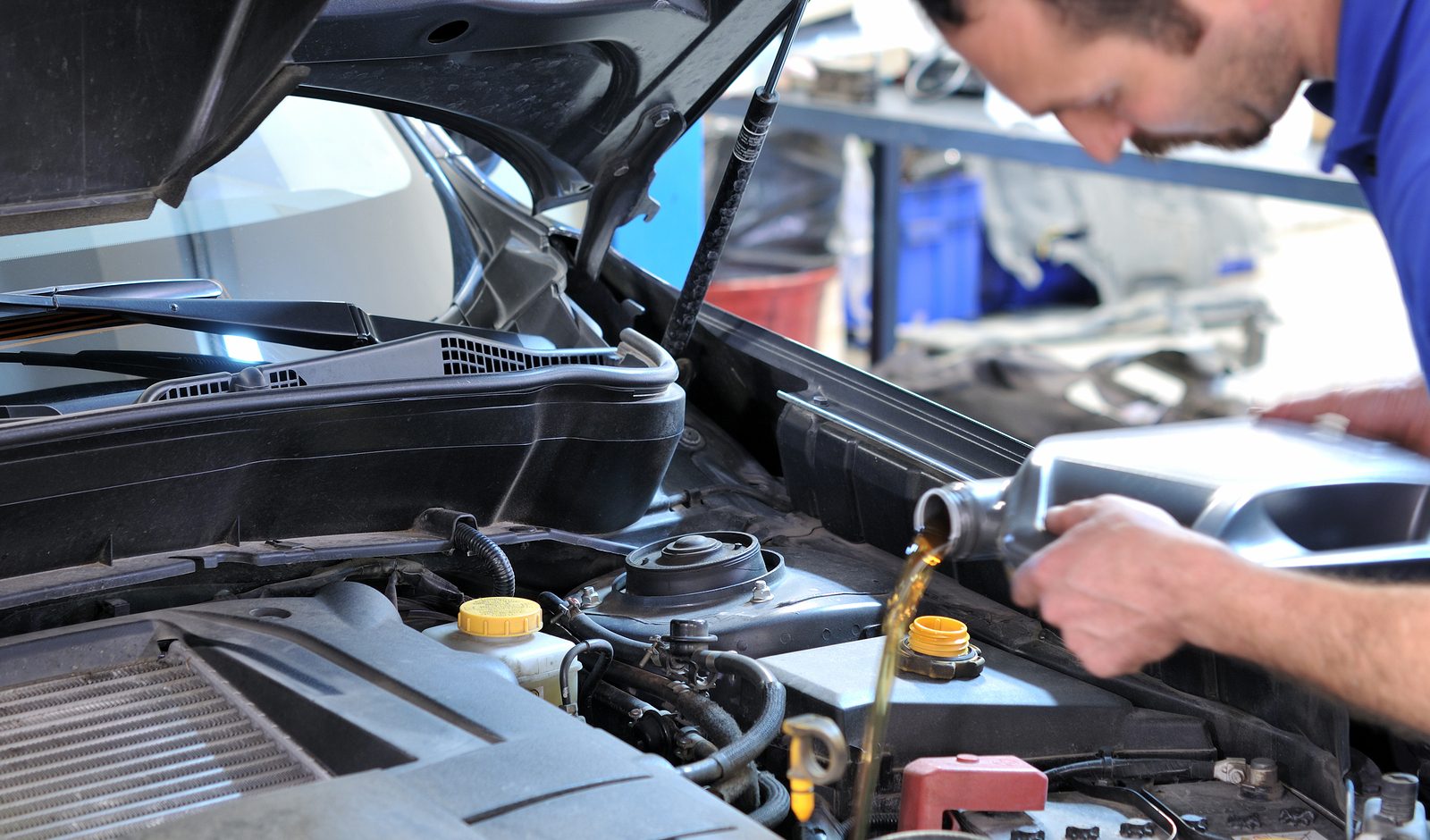
When it comes to caring for your vehicle, routine and regular scheduled maintenance are among the most vital necessities. In order to sustain the value and performance of your vehicle, consistent oil changes, tune ups, tire rotations, and other factory scheduled services are required.

Continue reading to learn how the frequency of changing your oil affects the overall status of a vehicle.
ASE Certified Mechanics 317-475-1846

Indianapolis Auto Repair and Service 317-475-1846

The Importance of Oil Changes

Cars, trucks, and other vehicles have different requirements when it comes to oil changes. Depending on the make or model of the vehicle, oil change frequencies will differ. Typically, we measure the length of time between scheduled auto services in distances. For example, most manufacturers suggest cars should have their oil changed every 3000 to 5000 miles, depending on the make and model.

Size and vehicle type also influence the rate of which a person should have their oil changed. For instance, diesel engines will have a contrasting oil change schedule compared to a gasoline fuel engine. Larger engines and vehicles burn more fuel, which may require them to have the oil changed more often. Small gasoline-fueled engines get better fuel mileage, resulting in less frequent routine maintenance.

Ask a Pro to Be Sure

The best way to accurately determine how often you need to change your vehicle’s oil is to ask a professional. This could be the manufacturer of the vehicle in question, or a professional Indianapolis auto repair shop or technician. Either way, these sources are professional references that can offer truthful tips, answers, and advice.

Where To Get Trusted Auto Service Near You!

Indianapolis Car Maintenance

Indianapolis Car Maintenance 317-475-1846
Call Northeast Auto Service at 317-475-1846 for professional automotive service and repair in Indianapolis, Indiana. We are ASE licensed and certified car mechanics who provide a wide range of foreign and domestic auto repair services, as well as, free estimates, automotive service coupons, and more. Request a free estimate, today.

5 Automotive Warning Lights You Need to Know

There are many types of warning lights that will notify you when a mechanical issue is underway within your vehicle, including problems with tire pressure, the engine, the brakes, and more. The exact types of warning lamps you have in your ride depends on the actual make and model. Older model vehicles may only have one or two types of warning lights, while newer models are typically manufactured to have most, if not all, of the most common warning lights.

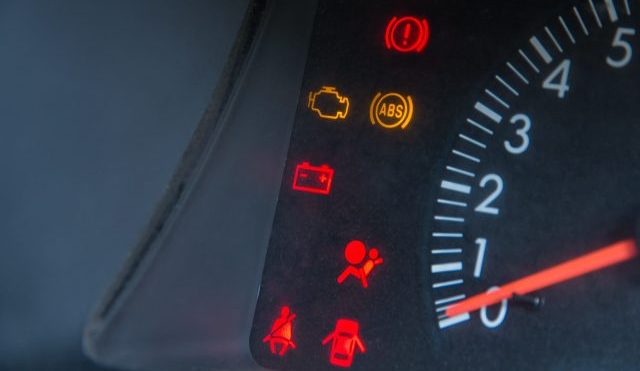
The top 5 most common automotive warning lights are for anti-lock brakes, engine, oil pressure, tire pressure, and battery. Continue reading to learn what you need to know about them all.

Indianapolis Auto Repair and Service 317-475-1846

Screen display of car status warning light on dashboard panel symbols which show the fault indicators

Top 5 Automotive Warning Lights

💡 ABS Lights – ABS stands for anti-lock brakes. This means when a driver needs to suddenly brake, the ABS system will prevent the wheels from locking and losing traction on the road. It allows a vehicle to retain tractive contact with the road in order to come to a sudden stop. The ABS system is an important one for all vehicles because it significantly reduces the chances of wrecking a car or causing an accident. It is also great for winter weather and precipitation.

💡 Check Engine Light – Most drivers are familiar with the check engine light, also known as the malfunctioning indicator lamp (MIL). When this light illuminates, it could be for a variety of reasons, ranging from minor to serious. For example, a lit check engine light can signify something small like a loose gas cap, or it can signify something much more serious like a needed catalytic converter replacement. If this light comes on, have your vehicle inspected by a licensed car mechanic as soon as possible. It is strongly recommended to not drive a car when the engine light is on.

💡 Oil Pressure Light – This light comes on when a vehicle’s oil levels are low. A car needs motor oil to keep the engine lubricated and prevent overheating. Without proper oil levels, a car or truck can experience significant and irreversible damage to its engine. This is a very costly repair that can easily be avoided with regular factory scheduled maintenance.

💡 Battery Lights – There are several reasons why a vehicle’s battery light may illuminate. It could signify a problem with the alternator drive belt, the slack starter, or complete alternator failure. These are serious and should be addressed immediately before driving the vehicle again.

💡 Tire Pressure Lights – When this light comes on, a driver can assume that their tires need more air. Low tire pressure can reduce gas mileage, but more seriously, can cause tire blowouts, hydroplaning, and car wrecks. Always be sure your tires are in good condition and full of the appropriate amount of air. Never over-fill tires with air because it can cause them to pop or blowout as well.

Trusted Indianapolis Auto Service at Affordable Prices

Northeast Auto Service

Northeast Auto Service 317-475-1846

Call Northeast Auto Service at 317-475-1846 when your automotive lights come on. We are ASE licensed and certified Indianapolis automotive shop that provides a wide range of foreign and domestic auto repair services, as well as, free estimates, automotive service coupons, and more. We offer quality service at the most affordable prices in town. Request a free estimate, today and see for yourself!