Cruising down the highway feels effortless when your vehicle is running smoothly, but a neglected maintenance schedule can leave your engine with a painful reminder—sluggish performance and poor gas mileage. Your car’s engine needs to breathe clean air to function properly. When dust, pollen, and road debris clog the intake, your engine has to work significantly harder to keep you moving.
A dirty air filter is a common issue that can cause long-term damage to your engine internals if left unaddressed. Much like how our lungs struggle in poor air quality, your vehicle’s combustion process suffers when restricted by a wall of grime. Changing this vital component is a straightforward process, yet many drivers overlook it until major symptoms appear.
Reading the signs of a failing filter early can save you money at the gas pump and the repair shop. This guide will walk you through the clear indicators that your filter needs attention, the typical costs associated with replacing it, and step-by-step instructions for taking care of the job yourself.
Signs Your Car’s Air Filter Needs Attention
Recognizing when your vehicle is struggling to pull in fresh air is crucial for maintaining healthy engine performance. Pay attention to these common warning signs.
Reduced Fuel Efficiency
Your engine relies on a precise mix of air and fuel to generate power. When a clogged filter restricts airflow, the engine often compensates by burning more fuel. You might notice yourself visiting the gas station more frequently despite driving your usual daily route.
Engine Misfires or Rough Idling
An improper air-fuel mixture can cause the fuel to burn incompletely. This unburned fuel often exits the engine as soot, which accumulates on the spark plugs. Fouled spark plugs lead to rough idling, sudden jerks while accelerating, or noticeable engine misfires.
Unusual Engine Noises
A healthy engine hums smoothly. If your air filter is heavily soiled, you might hear a coughing, popping, or spitting noise coming from under the hood. This happens because the engine is practically gasping for the air it needs to run cleanly.
Visible Dirt on the Filter
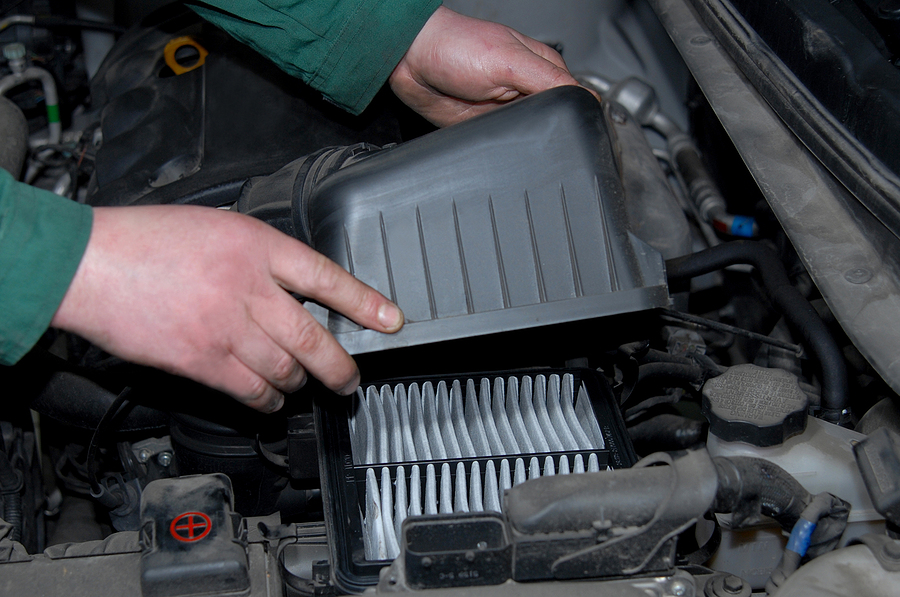
New air filters typically appear white or off-white. If you open the housing and see a filter coated in a thick layer of dark gray or black grime, it is time for a change. Dust and debris trapped in the pleats clearly indicate the filter has done its job and reached the end of its lifespan.
Warning Lights
Modern vehicles are equipped with sensitive sensors that monitor engine airflow and emissions. A severely restricted air filter can trigger the “Check Engine” light on your dashboard. While this light can indicate many different issues, a clogged filter is a very common culprit.
Why a Clean Air Filter Matters
Replacing an inexpensive paper filter provides immense value to your vehicle’s longevity.
Protecting Your Engine
Dirt, sand, and tiny metallic particles act like sandpaper inside your engine’s cylinders. A clean filter traps these abrasive contaminants before they can enter the combustion chamber, preventing premature wear on internal bearings and piston rings.
Optimizing Performance and Fuel Economy
Unrestricted airflow allows your engine to generate power efficiently. Keeping the filter clean ensures your vehicle accelerates smoothly and maintains the fuel economy advertised by the manufacturer.
Reducing Emissions
When an engine lacks adequate air, it runs “rich,” meaning it burns an excessive amount of fuel. This results in higher toxic emissions leaving your tailpipe. Keeping the intake clean helps your car maintain a smaller environmental footprint.
Types of Car Air Filters
Automotive filters vary in material, from standard factory replacements to high-performance aftermarket options.
Paper Filters
Paper filters are the most common and affordable option available. Made from pleated, industrial-grade paper, they do an excellent job of trapping fine dust and debris. They are meant to be thrown away and replaced once they become dirty.
Cotton Gauze Filters
Often used in aftermarket performance applications, cotton gauze filters feature multiple layers of treated cotton. These filters are typically coated in a thin layer of specialized oil to trap dirt while allowing maximum airflow. They are washable and reusable, making them a long-term investment.
Foam Filters
Foam filters utilize dense polyurethane foam to capture contaminants. They are frequently used in off-road vehicles or environments with heavy dust. Like cotton gauze, many foam filters can be washed, re-oiled, and reused over the lifespan of the vehicle.
How Often Should You Replace Your Car Air Filter?
Timing your maintenance correctly prevents unexpected breakdowns and keeps your vehicle running optimally.
Manufacturer Recommendations
Most automakers recommend replacing the engine air filter every 15,000 to 30,000 miles. You should always check your specific owner’s manual for the exact interval designed for your vehicle’s make and model.
Driving Conditions
Your local environment heavily influences how long your filter will last. If you frequently drive on unpaved roads, sit in heavy stop-and-go traffic, or live in areas with high pollen counts—like the spring seasons in the Midwest—you will likely need to replace the filter closer to the 15,000-mile mark.
Visual Inspection
You do not need to wait for a specific mileage milestone to check your filter. Make it a habit to visually inspect the pleats every time you get an oil change. If the paper is dark and packed with debris, go ahead and swap it out.
The Cost of Car Air Filter Replacement
Budgeting for this maintenance task is easy, as it remains one of the most affordable services you can perform on a vehicle.
DIY vs. Professional Installation
Replacing the filter yourself is the more cost-effective route, as you only pay for the part. Taking your vehicle to a certified auto repair shop adds labor costs, but it offers peace of mind and saves you from getting your hands dirty.
Cost of the Filter Itself
A standard paper replacement filter usually costs between $15 and $30 at most auto parts stores. High-performance reusable filters, like those made of oiled cotton gauze, generally range from $50 to $85.
Labor Costs
If you choose to have a mechanic handle the replacement, expect to pay between $20 and $50 for labor. Total professional replacement costs typically range from $35 to $90, depending on the shop’s hourly rate and the accessibility of your filter housing.
Professional Air Filter Replacement: Why Call the Experts
It is best to leave vehicle maintenance in the hands of trained technicians. A certified mechanic will ensure the filter is installed securely with a perfect seal. Furthermore, they can perform a broader inspection of your intake system, checking for vacuum leaks or a dirty mass airflow sensor that might be contributing to poor engine performance.
What to Expect During a Professional Replacement
Your mechanic will inspect the old filter, clean the housing unit thoroughly to prevent debris from falling into the engine, and install an exact-fit replacement. The entire process usually takes less than 15 minutes and is often bundled with routine oil changes.
Frequently Asked Questions (FAQ)
Can a dirty air filter damage my engine?
Yes. A severely clogged filter can cause unburned fuel to build up on spark plugs, creating misfires. In extreme cases, a degraded filter can tear, allowing abrasive dirt and sand to enter the engine cylinders, causing irreversible internal damage.
How long does an air filter replacement take?
For most modern vehicles, replacing the engine air filter takes about 5 to 10 minutes. The housing is typically highly accessible and requires minimal disassembly.
Are all air filters the same?
No. Filters vary drastically in size, shape, and material depending on your specific vehicle. You must purchase the exact part number designed for your car’s make, model, and engine size to ensure a proper seal.
What happens if I don’t replace my air filter?
Ignoring this maintenance leads to decreased fuel economy, sluggish acceleration, rough idling, and increased tailpipe emissions. Over time, the restricted airflow places unnecessary stress on vital engine components.
Breathe Easy and Drive Better
Maintaining a clean air intake system is a small investment that yields significant returns for your vehicle’s health. By keeping an eye out for warning signs like sluggish acceleration and poor fuel economy, you can replace your filter before it causes bigger mechanical headaches. Staying proactive with this simple component ensures your engine continues to run efficiently, smoothly, and cleanly for miles to come.
If you are noticing signs of a struggling engine or simply need routine maintenance, let the experts take a look. Northeast Auto Service in Indianapolis, Indiana, features ASE-certified mechanics offering great deals and neighborhood prices. Schedule a free estimate today and keep your vehicle breathing easily on the road.
Related Post: Why You Must Get Your Car Air Filters Changed This Year