
A parked car looks harmless enough. But if it sits still for weeks at a time, it can quietly become a five-star hotel for mice, rats, and squirrels. These critters aren’t picky guests, either — they’ll chew through wiring, shred your seat cushions, and build nests in places you’d never think to check.
Vehicles that rarely move are especially vulnerable. Rodent damage to cars actually increased during the pandemic, in part because more vehicles sat parked for long stretches instead of being driven regularly, according to an Orkin representative cited by Consumer Reports. The quiet, warm, and sheltered environment inside an unused car offers exactly what a rodent looks for when searching for a place to settle in.
The good news? Most infestations are preventable. Catching the problem early, or better yet, stopping it before it starts, costs far less than repairing a chewed wiring harness or replacing damaged upholstery. Below, we’ll cover why vehicles attract these pests, the damage they can cause, and practical steps you can take to protect your car.
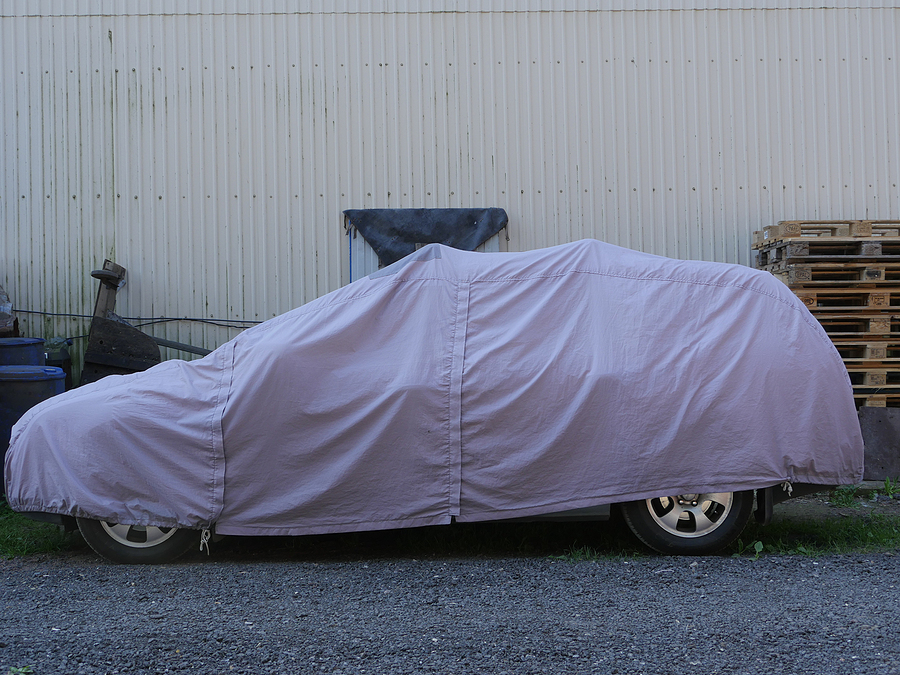
Why Parked Vehicles Attract Rodents and Squirrels
Rodents and squirrels are drawn to parked vehicles for the same reasons they’d be drawn to any quiet shelter: warmth, darkness, and protection from predators.
Changlu Wang, a researcher at Rutgers University who co-authored a study on rodent behavior, put it simply in comments to Consumer Reports: “The longer you park a car without driving it, the more likely rodents move in.” Cars provide a calm, hidden space that’s largely undisturbed, which makes them appealing nesting sites, especially during colder months when vehicles are stored for the winter.
Engine Compartments Offer Safe Nesting Spaces
The engine bay and undercarriage are common entry points. These areas are tucked away from view, insulated from the weather, and full of nooks where a rodent can build a nest without being noticed. Squirrels, in particular, are known to stash acorns and nuts in air intakes and engine compartments, turning your car into a makeshift pantry.
Food and Debris Make It Worse
Leftover food wrappers, crumbs, or even birdseed stored nearby can turn a parked car into an easy meal ticket. Once a rodent finds a reliable food source near your vehicle, it’s more likely to settle in rather than move on.
How Rodents and Squirrels Damage Parked Vehicles
Once rodents or squirrels take up residence, the damage can range from annoying to genuinely dangerous.
Electrical System Damage
Rodents must chew constantly to keep their teeth from overgrowing, and they aren’t selective about what they gnaw on. Wiring insulation is a common target. Several automakers, including Ford, GM, Honda, Subaru, and Toyota, have issued technical service bulletins addressing chewed wiring harnesses.
Repairing a damaged harness can cost thousands of dollars, and exposed wires can create real safety hazards. As Consumer Reports’ chief mechanic John Ibbotson noted, “Chewed wires are a serious concern and will require professional assessment and potentially automotive repair.”
Interior Damage
Seat cushions, upholstery, and insulation are all prime material for nest-building. Rodents will tear through these soft materials to create bedding, often deep inside places like cabin air ducts or beneath seats, where damage can go unnoticed for weeks.
Engine Component Damage
Hoses, belts, and fuel lines are also at risk. Gnawed components can compromise engine performance or lead to leaks, and in some cases, acorns or nesting material lodged in air intakes can restrict airflow or clog ducts entirely.
Prevention Strategies for Parked Vehicles
The best defense against rodent and squirrel infestations combines a few simple habits with some added physical barriers.
Secure the Vehicle
Keep doors and windows closed and locked at all times, even when the car isn’t going anywhere. Check the body for gaps or openings, especially around the undercarriage, and seal any you find. These small entry points are often all a mouse needs to get inside.
Remove Attractants
Clear out food wrappers, crumbs, or any organic debris from the interior on a regular basis. Store pet food, birdseed, and similar items away from where the vehicle is parked. Consumer Reports also recommends avoiding parking near trash cans, gardens, or wooded areas, since these spots tend to have higher rodent activity.
Use Deterrents
A layered approach works best here:
- Motion-activated lights around the parking area can discourage nocturnal visitors.
- Wire mesh can be placed over exhaust pipes and vents to block entry points, but it should never touch moving parts or hot exhaust components, and it’s worth having a professional confirm placement to avoid fire risk or blockage.
- Ultrasonic repellent devices are sometimes marketed as a solution, but their effectiveness is limited. The Federal Trade Commission has warned manufacturers for years about unsubstantiated efficacy claims, so these devices shouldn’t be your only line of defense.
- Snap traps placed near the vehicle, not inside it, are one of the simplest and most effective tools for reducing rodent activity in the area. Poison is generally not recommended; a Rutgers study found that 84% of urban house mice studied carried at least one genetic mutation linked to rodenticide resistance, making it a less reliable option.
Maintain Regular Checks
Inspect your vehicle at least once a month, or before any extended period of storage, for droppings, chewed wires, or signs of nesting. If possible, drive the car regularly rather than letting it sit. Driving disrupts nesting activity far more effectively than simply starting the engine and letting it idle. If you do start the car after it’s been sitting, honk the horn first to give any unwelcome guests a chance to leave before the engine turns over.
Professional Prevention
For longer-term protection, a rodent-resistant sealant can be applied to vulnerable areas of the vehicle, and hardware cloth barriers can be installed in the engine bay to block common entry points. These measures are best handled by a professional who can identify your vehicle’s specific weak spots.
It’s also worth checking your insurance policy. According to AAA Southern California, rodent damage is generally covered under comprehensive coverage, though coverage details vary, so it pays to confirm what your policy includes.
Frequently Asked Questions
How often should I check my parked vehicle for rodents?
Check at least once a month, and always before putting your vehicle into seasonal storage. Catching signs of activity early can prevent minor nesting from turning into costly damage.
Can I use poison to prevent infestations?
It’s best to avoid poison. Many urban rodent populations have developed resistance to common rodenticides, making it an unreliable prevention method. Focus instead on exclusion and deterrent strategies like sealing entry points and using traps.
What signs indicate a rodent infestation?
Look for droppings, chewed wires or belts, shredded insulation, and nesting material like leaves, twigs, or shredded paper tucked into the engine bay or air ducts. A persistent odor can also be a sign that rodents have moved in.
Protect Your Vehicle Before Damage Sets In
A parked car doesn’t have to become a rodent magnet. Securing entry points, removing food sources, and keeping an eye out for early warning signs can save you from expensive repairs down the road. If your vehicle sits for long stretches, a little routine maintenance goes a long way toward keeping unwanted guests out.
If you suspect rodents or squirrels have already made themselves at home in your vehicle, don’t wait for the damage to get worse. Contact Northeast Auto Service in Indianapolis, Indiana, for a thorough vehicle inspection and professional rodent damage repair.
Related Posts:
Expert Maintenance for Stored Vehicles
Fuel Stabilizers: Do They Really Work?