
A malfunctioning power window isn’t just a minor annoyance; it can be a significant disruption to your daily routine. Feeling the rain pour in through an open window or struggling to hand over payment at a drive-thru can leave you with a painful reminder of how much we rely on these automated systems. When your window sticks, moves sluggishly, or refuses to budge entirely, it compromises both your comfort and your vehicle’s security.
Understanding how your power window system affects your daily commute is crucial for maintaining a reliable vehicle. The good news is that many window failures are highly manageable once you understand the underlying mechanics. By taking the time to diagnose the root cause, you can often save yourself a frustrating trip to the dealership and get your glass moving smoothly again.
This comprehensive guide will walk you through the inner workings of your vehicle’s window system. We will explore the tools you need, outline step-by-step diagnostic methods, and explain how to execute common repairs. By the end of this post, you will have the knowledge needed to tackle basic window fixes or confidently hire a professional to handle the job for you.
How Power Windows Work: Basic Mechanics
Power windows operate through a seamless combination of electrical signals and mechanical actions. This system allows you to effortlessly raise or lower heavy automotive glass with the simple push of a button. To understand how to fix the system, you first need to recognize the four key components working behind the door panel.
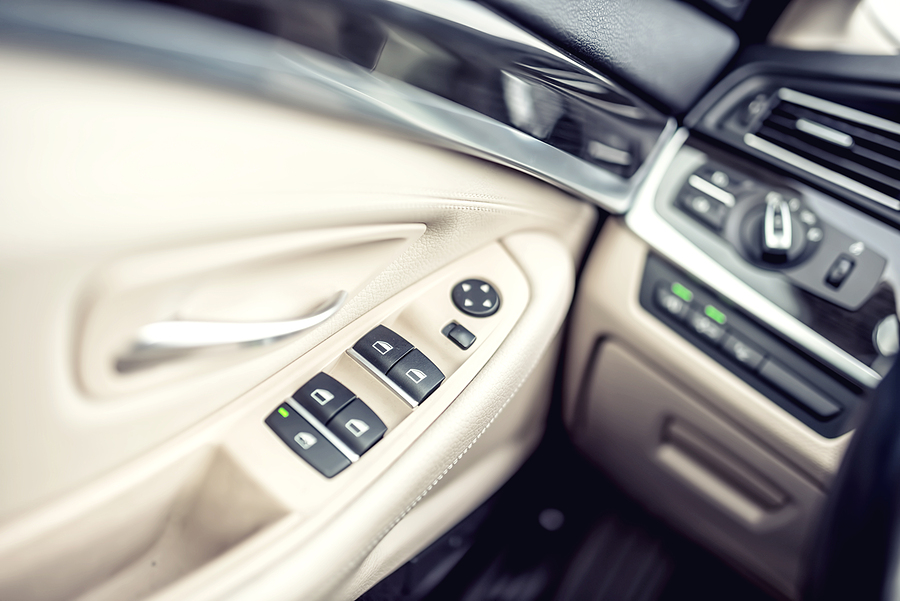
- Window Switches: These serve as the primary interface between you and the window system. Located on your door panel or center console, the switch completes an electrical circuit when pressed, sending a direct signal to the motor.
- Window Motor: This is the beating heart of your power window. The motor receives the electrical signal from the switch and generates rotational mechanical force. A small internal gear mechanism then converts this rotational energy into the linear motion required to lift the glass.
- Regulator Assembly: The regulator is the physical framework that carries the window glass. It takes the linear motion generated by the motor and uses a scissor-lift mechanism or a cable system to guide the window safely up and down.
- Window Tracks and Guides: These are the designated pathways that the window glass travels along. They prevent the glass from jamming, vibrating, or becoming misaligned as the regulator pushes it upward.
Diagnosing Power Window Problems
Not every stuck window requires a complete motor replacement. Sometimes, the solution is surprisingly simple. Follow these diagnostic steps to identify the true source of your window failure:
1. Listen for auditory clues: Press the window switch and listen closely to the door panel. If you hear a clunking, grinding, or clicking noise, you are likely dealing with a mechanical issue, such as a damaged regulator or worn-out motor gears. If you hear absolutely nothing, you likely have an automotive electrical failure issue.
2. Check your fuses: A blown car fuse is the easiest and cheapest power window fix. Locate your vehicle’s fuse box and check the 20-amp circuit breaker dedicated to the power windows. If the metal filament inside the fuse is broken, replace it and test the window again.
3. Test for a seized motor: If the fuse is good but the motor makes no sound, the motor might simply be locked up. While pressing the window switch, give the center of the door panel a firm tap with your rubber mallet. The vibration can sometimes jolt a stuck motor back to life.
4. Inspect for lubrication issues: If the window moves but is incredibly slow or sluggish, the regulator tracks might be dry. Spraying WD-40 or applying white lithium grease to the metal linkages and guides can instantly restore smooth movement.
Common Power Window Repairs
When you bring your vehicle to a mechanic for a faulty power window, they will typically start with a systematic diagnostic process to identify the root cause. The mechanic will test the window switch, motor, and wiring for any electrical malfunctions.
If the motor is found to be non-functional, they will replace it with a new one, ensuring compatibility with the system. For regulator issues, a thorough inspection will be conducted, and damaged parts like cables or clips will be replaced or repaired.
Additionally, they may lubricate the window tracks and realign the window if it has become misaligned or stuck in the frame. These procedures ensure the window operates smoothly and efficiently, providing a lasting solution.
The Importance of Professional Power Window Repair
When power windows malfunction, it is important to seek professional automotive repair services rather than attempting DIY repairs. While DIY repairs may seem like a cost-effective solution, they come with risks that can cause even more damage to your power windows.
Here are some reasons why getting professional power window repair is crucial:
☑ Quality replacement parts
A professional auto repair shop use high-quality replacement parts that are specifically designed for your vehicle’s make and model. This ensures that the repaired or replaced components will function properly and last longer, giving you peace of mind on the road.
☑ Proficient technicians
Power window repair requires specialized knowledge and skills that only trained professionals possess. They have the necessary tools and expertise to accurately diagnose the issue and provide a swift and effective solution.
☑ Warranty coverage
Most professional repair shops offer warranty coverage for their services, which means if there are any issues with your power windows after the repair, they will fix it at no additional cost to you. This gives you added protection and assurance that your power windows are in good hands.
☑ Safety
Power windows can be dangerous if not repaired correctly. Professionals follow strict safety protocols when working on these systems, ensuring that your windows are safe to use after the repair. They have the necessary tools and knowledge to prevent any accidents from happening during the repair process.
☑ Convenience
Trying to fix power windows on your own can be time-consuming, especially if you don’t have the proper experience or tools. Appointing a professional not only ensures that the job is done correctly, but it also saves you time and hassle. You won’t have to deal with troubleshooting and potentially causing further damage to your car.
FAQ About Power Window Repair
Why does my window go down but not up?
This is typically caused by a failing window switch or a worn-out window motor. The motor may have enough strength to let gravity assist in lowering the glass, but lacks the torque required to push the heavy glass back up the tracks.
What is the difference between a window motor and a window regulator?
The window motor is the electronic component that generates power. The window regulator is the mechanical metal framework that physically holds the glass and moves it up and down based on the motor’s power.
Can I manually raise a broken power window?
If the motor has failed but the regulator is intact, you can sometimes grab the glass with both hands and firmly pull it upward. However, if the regulator cables have snapped, the glass will not stay up on its own and will slide back down into the door.
Restoring Comfort to Your Daily Commute
A broken power window disrupts the climate control, security, and overall comfort of your vehicle. By familiarizing yourself with the basic mechanics of window switches, motors, and regulators, you can effectively diagnose problems before they worsen. Whether you decide to tackle a motor replacement in your driveway or seek out a qualified professional, taking prompt action will protect your car’s interior and restore your peace of mind on the road.
If you are dealing with a stubborn window and prefer to leave the heavy lifting to the experts, we are here to help. Book a free estimate for professional power window repair in Indianapolis, Indiana today, and let our certified technicians get your vehicle back in top shape.
Related Post: How to Diagnose and Solve Common Auto Electrical Problems